
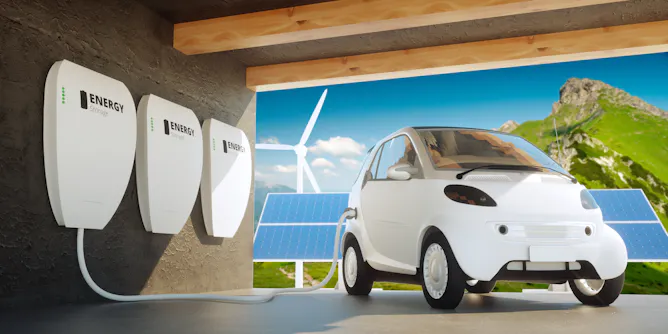
In the near future, we may see electric cars supplying power to smart grids or communities with their own independent microgrids.
Articles on Covering Climate Now
Displaying 1 - 20 of 86 articles
To limit warming to 1.5°C above pre-industrial levels, we’ll need to cut global emissions by 7.6% each year this decade. It’s difficult, but not impossible.
The last time global carbon dioxide levels were around 400ppm was four million years ago. On average, the world was 3°C warmer, but in high northern latitudes, it was up to 14°C warmer than today.

The drop in traffic during COVID-19 lockdowns reduced global emissions. If we keep encouraging cycling and working from home beyond the pandemic, our climate goals may become more achievable.
If we had not altered the composition of the atmosphere at all through emitting greenhouse gases, particulate matter and ozone-destroying chemicals, the average temperature would have remained stable.

You can reduce your fuel consumption by 15-20% with improved driving habits alone – reducing emissions and saving money at the same time.
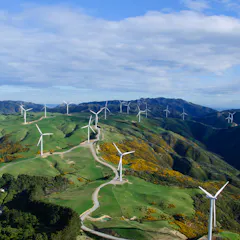
While it’s impossible to stop all extraction of fossil fuels now, renewable sources are already generating 25% of global electricity demand now and their contribution continues to grow.
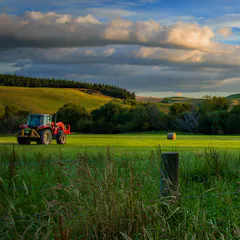
Countries account for emissions based on all activities that happen within their territory, which means countries that export more than they import will likely have higher per capita emissions.
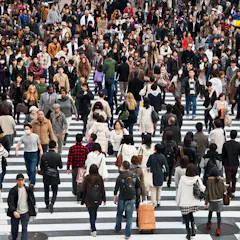
It is easy for people in the industrialised world to blame population growth elsewhere for environmental damage. But increased consumption is just as important – if more confronting.

Earth’s has gone through major climate changes in the past. They happened on time scales of millions of years and triggered mass extinctions. Our emissions are changing the climate much faster.

Food choices make a difference to the climate impact of our diet. Every step towards eating a more plant-based diet results in lower emissions, better population health and reduced healthcare costs.
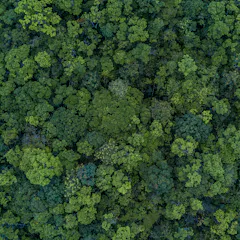
Plants take carbon from the atmosphere as they grow, but it goes straight back when they die or are harvested. There is an important difference between carbon fluxes and actual carbon sequestration.
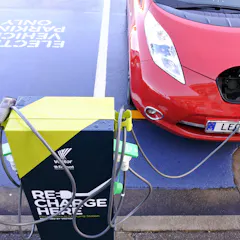
A switch to electric transport is one of New Zealand’s key climate strategies. It will increase demand on the national grid, but might also help increase renewable electricity generation.
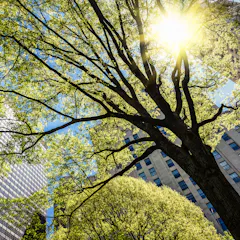
We must re-establish contact between our cities and the natural world.
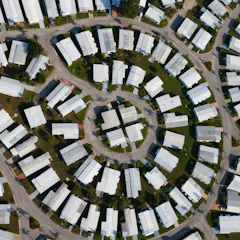
Buildings soak up the sun’s heat, but research shows that white roofs and surfaces can reduce temperatures inside, particularly during heat waves.

Under the Paris Agreement, countries have registered plans to meet emissions reductions, but the current pledges, if fully realised, would take us to 2°C by the 2050s.

New Zealand is a net exporter of many fruit and vegetables. While climate-change induced food shortages are not an imminent risk, some crops may be affected by rising temperatures and extreme weather.
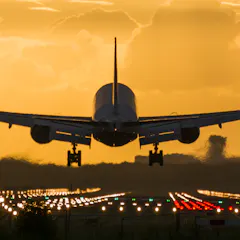
Globally, emissions from air travel account for only about 3% of the warming human activities are causing, but aviation affects our climate in a number of ways.
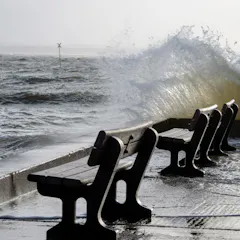
For every ten centimetres of sea level rise, the chances of a 100-year coastal flood increase three-fold. This means we’ll have to build flood defenses or retreat from the coast.

Discussions about climate change often skirt around the issue of population growth, but it is the main driver of rising carbon dioxide levels and many other environmental changes on a planetary scale.
Top contributors
-

Professor of Environmental Science, Auckland University of Technology
-
Professor in Applied Mathematics, Te Kunenga ki Pūrehuroa – Massey University
-
Professor of Physical Geography (Climate Science), Te Herenga Waka — Victoria University of Wellington
-
Professor of Geology, Auckland University of Technology
-
Emeritus Professor, Energy and Climate Mitigation, Te Kunenga ki Pūrehuroa – Massey University
-
Professor of Cognitive Psychology and Director of the Institute for Climate Risk and Response, UNSW
-
Senior Lecturer in Social Sciences and Public Policy, Auckland University of Technology
-
Associate Professor in Environmental Studies, Te Herenga Waka — Victoria University of Wellington
-
Professor Environment and Health, University of Otago
-
Professor, University of British Columbia
-
Senior Lecturer in English, Manchester Metropolitan University
-
Honorary Fellow, Australian Museum
-
Professor of Landscape Architecture and Urban Forestry, Leeds Beckett University
-
Associate Professor of Employment Relations, GEM
-
Research Chair, African Climate and Development Initiative, University of Cape Town