

African countries had 14 of the world’s 67 heat extreme events last year, and several had at least three months of hotter temperatures than the preceding 30 years.
Articles on Climate crisis
Displaying 101 - 120 of 349 articles
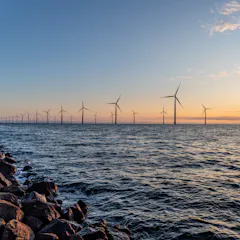
Offshore wind farms threaten local biodiversity, but also protect it by reducing emissions.

Bill 5 and C-5 threaten to bypass environmental safeguards and the duty to consult with Indigenous communities for the sake of short-term profits.

Malawi’s experience of the strongest cyclone ever in 2023 shows that communities, government, and donor agencies must plan together for future floods and mudslides.

Pacific island states have united, declaring climate change the single greatest threat to their security. African island states can adopt a similar approach.

Cutting carbon dioxide emissions to zero by 2050 will reduce global warming, but climate modelling shows that some regions may still experience extreme heat.

The US has obstructed climate action for decades – largely due to damaging actions by the powerful fossil fuel industry. But Australia has a chance now to lead.
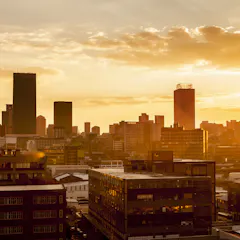
A new report by the non-profit organisation Action Aid calculates that wealthier countries owe Africa US$36 trillion in climate debt.
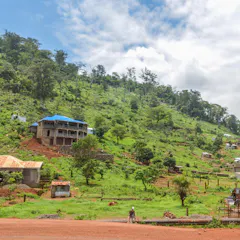
Planting trees might make Freetown in Sierra Leone more resilient to climate change but it won’t end global warming. Only ditching fossil fuels can do that.
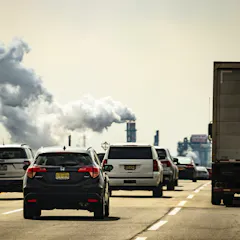
Carbon capture and removal can produce ‘negative’ carbon emissions.
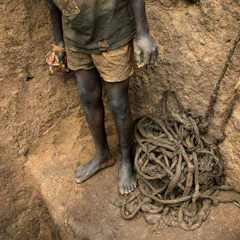
Climate policies in Africa must include clear commitments to combat modern slavery.
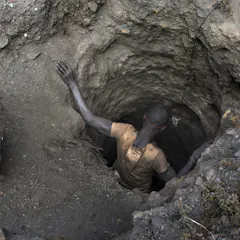
Lubumbashi is little known, but its minerals electrified the world, created atom bombs and are key to greener energy, the defining geopolitical issue of our time.
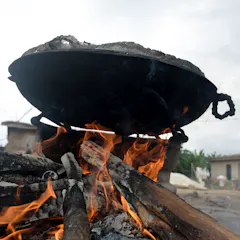
Burundi’s government must balance strict climate regulations alongside promoting voluntary behaviour changes.

With a climate change denier as US president, Joe Murphy and Joe Robertson’s politics-as-glossy-spectacle could not be more on point.
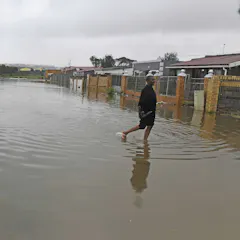
Sub-Saharan African countries should be given more financial and technical support to cope with climate change disasters, so that they can continue to spend funds on economic development.
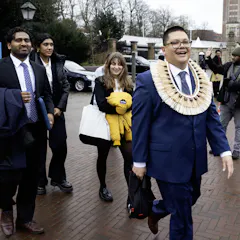
The International Court of Justice is hearing testimony from climate crisis-affected nations and will issue the first ever legal advice on governments’ legal obligations to prevent climate change.

Tourism emissions have been increasing at twice the rate of the global economy. That will double over the next 20 years, far outpacing technological solutions. New tourism policies will be needed.
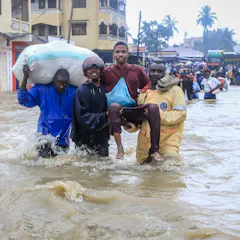
Climate information services that warn of impending disasters need to be set up fast if African countries are to have a chance of minimising the damage caused by extreme weather.
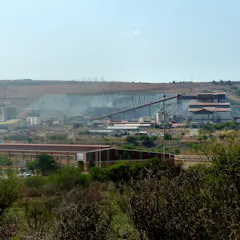
South Africa’s West Rand District Municipality covers three big, polluting mining areas but has no climate mitigation plan to prevent global warming.
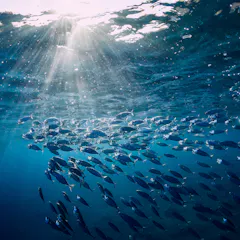
Climate change is heating up the ocean and marine species are starting to migrate in search of cooler water. This could throw ecosystems out of balance and disrupt fisheries, leading to a food crisis.
Top contributors
-

Professor of Earth System Science, UCL
-
Principal Lecturer in Psychology, University of Brighton
-
Research Fellow, The ARC Centre of Excellence for the Weather of the 21st Century, Australian National University
-
Gender and Migration Scientist; Regional Lead for Southern Africa in the CGIAR FOCUS Climate Security Team, CGIAR
-
Senior Research Scientist, Physical Geography and Ecosystem Science, Lund University
-
Environment + Energy Editor and Host of the Climate Fight podcast series, The Conversation
-
Professor of Law, University College Cork; Independent Social Research Foundation
-
Lecturer in Asia-Pacific Studies, University of Lancashire
-
Senior Research Associate, University of Oxford
-
Senior Research Fellow and Associate Professor, Melbourne Climate Futures initiative, The University of Melbourne
-
Professor of International Relations, The University of Queensland
-
Visiting professor, Harvard University
-
Lecturer in Sustainability, University of Manchester
-
Research Fellow, International Food Policy Research Institute (IFPRI)
-
Lecturer in Art and researcher, University of Nigeria