
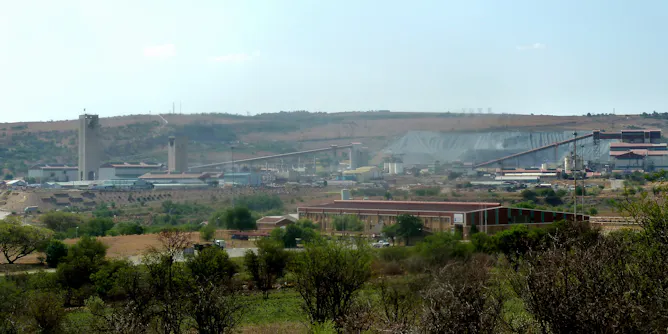
South Africa’s West Rand District Municipality covers three big, polluting mining areas but has no climate mitigation plan to prevent global warming.
Articles on Climate crisis
Displaying 121 - 140 of 351 articles
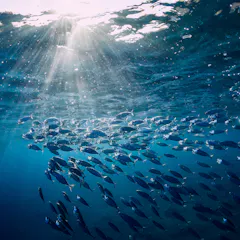
Climate change is heating up the ocean and marine species are starting to migrate in search of cooler water. This could throw ecosystems out of balance and disrupt fisheries, leading to a food crisis.
The South African Reserve Bank’s mandate is price and financial stability. It has the tools to identify, analyse and manage these risks, including those linked to climate change.
Rural firms face more risks from climate change than urban competitors, but helping them to innovate could reap rewards for the whole economy.

Archaeology teaches us that we are not immune to extinction.
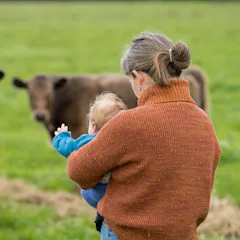
The climate crisis and the need for innovative land-use solutions should be the focus for farmers.
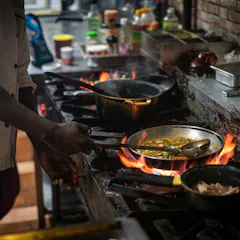
If Nigeria doesn’t roll out clean fuels fast, its carbon dioxide emissions from cooking on firewood will triple by 2060, new research has found.
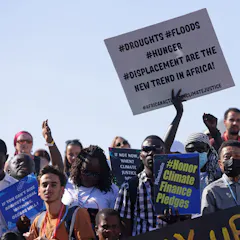
African countries need to unite and negotiate strongly at COP29 for more climate change adaptation grants and fewer loans that only leave the continent paying back debt.

Researchers have identified three ways that schools can address inequalities to reach and connect with all children to deliver quality climate and sustainability education.
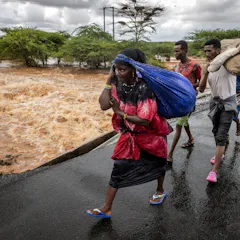
Without comprehensive public and global support for care provision and the integration of care in the climate agenda, unmet care needs will only grow and inequalities will widen.
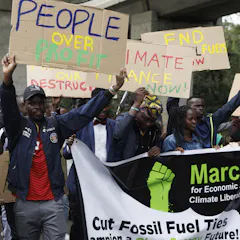
COP29 should end subsidies to fossil fuel companies, compel large-scale emitters to compensate affected regions and ensure that carbon taxes reflect the true cost of cleaning up pollution.

The concept of care can serve as a powerful focal point for understanding the climate challenge and for policies toward a sustainable and equitable future.
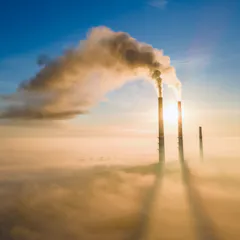
The board of directors should make sure a company fulfils its climate pledges – but some are more effective than others.
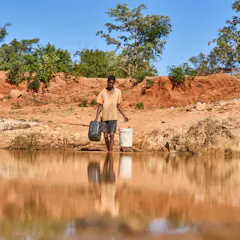
Climate change disrupts community stability, especially when it leads to food shortages and displacement. Governments must work with communities to set up policies to prevent this.
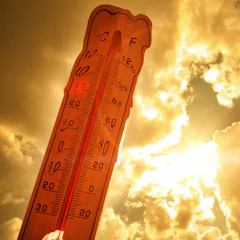
By 2050, 235 million people in Africa over the age of 60 will be affected by heatwaves, floods and drought. Governments must develop special plans for older people to adapt to climate change.

There are five ways governments can draw on scientific evidence to deal with multiple crises.

Smallholder farmers in Nigeria have told researchers they’d benefit from livestock index insurance which pays farmers when weather stations indicate that a severe drought or storm has hit the area.

The fossil fuel industry uses universities to authenticate themselves as players in developing climate solutions, while they expand extraction and grow profits. Universities must disclose their ties.

Nature can provide solutions to problems such as biodiversity loss and climate change. But the best nature-based solutions are resilient to disturbance such as fire or drought and future change.
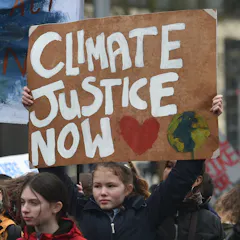
The ecological transition can sometimes work to the detriment of marginalized communities. Any approach to climate action must take issues of equity and justice into account.
Top contributors
-

Professor of Earth System Science, UCL
-
Principal Lecturer in Psychology, University of Brighton
-
Research Fellow, The ARC Centre of Excellence for the Weather of the 21st Century, Australian National University
-
Gender and Migration Scientist; Regional Lead for Southern Africa in the CGIAR FOCUS Climate Security Team, CGIAR
-
Senior Research Scientist, Physical Geography and Ecosystem Science, Lund University
-
Environment + Energy Editor and Host of the Climate Fight podcast series, The Conversation
-
Professor of Law, University College Cork; Independent Social Research Foundation
-
Lecturer in Asia-Pacific Studies, University of Lancashire
-
Senior Research Associate, University of Oxford
-
Senior Research Fellow and Associate Professor, Melbourne Climate Futures initiative, The University of Melbourne
-
Professor of International Relations, The University of Queensland
-
Visiting professor, Harvard University
-
Lecturer in Sustainability, University of Manchester
-
Research Fellow, International Food Policy Research Institute (IFPRI)
-
Lecturer in Art and researcher, University of Nigeria