
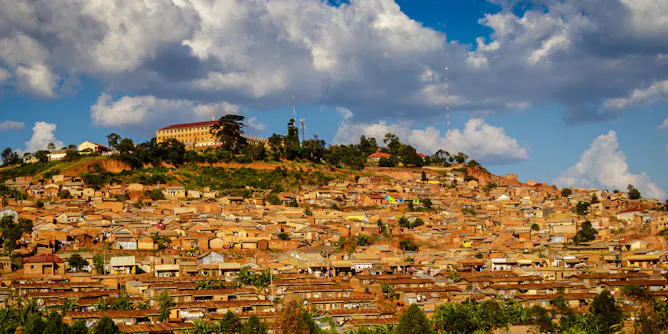
The demon is not density but rather that African countries have not planned and made the investments necessary to manage the downsides of the type of density found in informal settlements.
Articles on Cities
Displaying 381 - 400 of 1692 articles

Gun violence has killed hundreds of Americans, including kids, this summer. There are proven ways to bring peace to city streets, says an expert in violence prevention – but someone has to pay for it.

Buildings account for a large proportion of greenhouse gas emissions globally. Sustainably sourced wood could be a better building material.

City dwellers love their homes but there are different types of love that shape how cities are viewed and how they work.
Hip food offerings can signal that a neighborhood is gentrifying – especially when they repackage traditional foods for wealthy white eaters.
After trying to remove street vendors from its cities for years, China is supporting them to help jump-start its economy. An urban scholar explains why other cities should do the same.
The Aztecs had a shining city on a lake, with canals, causeways and aqueducts – until the Spanish came. Mexico City is still suffering the consequences of their bad public health decisions.

An economist puzzles over why fireworks have been going off nightly across the country for so many weeks in a row.

First trains, then cars and, now, COVID-19 have all spurred New York to reimagine how its scarce space should be used – and what residents need to survive.
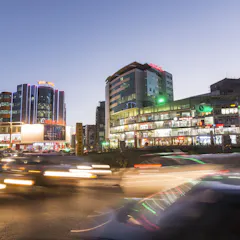
Abiy Ahmed has a vision to upgrade Ethiopia’s capital city but his ambitious megaprojects do not take the majority of Addis Ababa’s residents into account
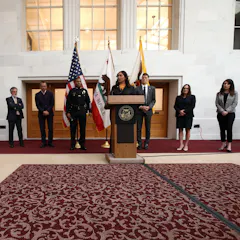
Four decades after Ellen Craig-Jones of Urbancrest, Ohio, became the US’s first Black woman mayor, seven of the nation’s largest cities are lead by Black women. And what a time to be in charge.
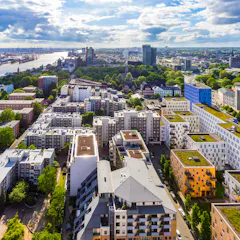
The coronavirus pandemic has highlighted the lack of green space available to those living in urban areas. Cities must be managed as ecosystems to make them more liveable and resilient.

High-density city living has been touted as a way to solve the problem of creating more sustainable, more liveable cities. But instead cities are only more liveable for a few.
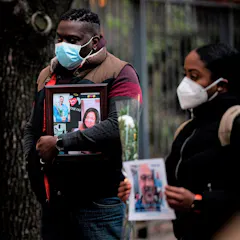
Why one city suffers significantly more deaths than another isn’t always obvious. A simple experiment shows how failing to consider certain factors can point policy makers in the wrong direction.
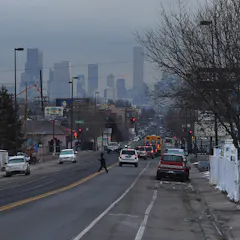
Neighborhood characteristics like pollution from busy roads, widespread public transit use and lack of community-based health care are putting certain communities at greater risk from COVID-19.
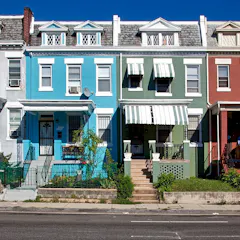
Self-sufficiency, outdoor space and a home office will likely be high up the list in future.

Visits to ‘adult’ sites surged in March when coronavirus pandemic restrictions came in. While tastes vary around the country, a disproportionate share of traffic comes from our biggest cities.
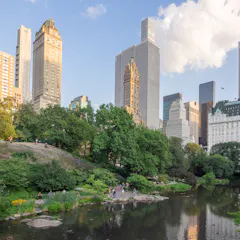
Frederick Law Olmsted, the designer of many great North American city parks, understood that ready access to nature made cities healthier places to live.
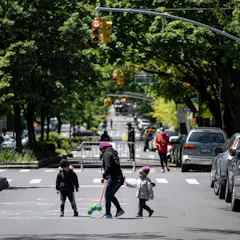
For centuries, disease outbreaks have forced cities to transform physically and operationally in ways that ultimately benefited all residents going forward.
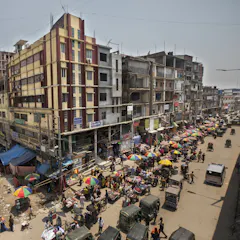
COVID-19 is spreading fast through not only the world’s richest cities but also its poorest, ravaging slum areas where risk factors like overcrowding and poverty accelerate disease transmission.
Top contributors
-
 John Rennie Short is a Friend of The Conversation.
Professor Emeritus of Public Policy, University of Maryland, Baltimore County
-
Head of Urbanism and Associate Professor of Urban Studies, School of Architecture, Design and Planning, University of Sydney
-
Professor of Sustainability, Curtin University
-
Professor of Human Geography and Planning, University of Tasmania
-
Professor of Urban Policy and Director, Urban Futures Enabling Impact Platform, RMIT University
-
Senior Lecturer in Urban and Environmental Planning, Griffith University
-
Transport and Cities Program Director, Grattan Institute
-
Associate Professor in Urban Planning, The University of Queensland
-
Adjunct professor, School of Media and Communications, RMIT University
-
Associate Professor of Urban Planning, The University of Melbourne
-
Professor of Housing Research, Adelaide University
-
Housing Policy Researcher, Expert Advisor, Housing Assessment Resource Tools and Adjunct Professor, L’Université d’Ottawa/University of Ottawa
-
Emeritus Professor, Urban Planning and Policy, University of Sydney
-
Research associate at African Centre for Cities, University of Cape Town
-
Emeritus Professor of Housing, UNSW