

Menstruating women who sleep less than six hours a night suffer worse periods. But leading treatments for insomnia rarely look at menstrual health.
Articles on Chronic pain
Displaying 61 - 80 of 137 articles
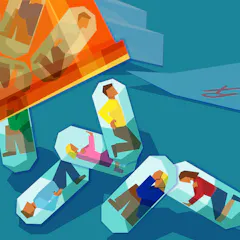
Ending the opioid epidemic requires addressing not only treatment gaps in addiction and overdose, but also inadequate pain management.

While the COVID-19 pandemic raged on, the opioid epidemic got worse as drug overdose deaths soared. New research proposes a way to chemically modify opioids to reduce the risk of addiction.

Some people with back pain see immediate benefits from stretching.

Both male and female observers are susceptible to the false belief that women exaggerate their pain.

We can make the case against using medicinal cannabis to manage chronic pain by debunking three myths.

A one-dimensional approach to reducing opioid use isn’t favoured by health care professionals or patients.

Weed, though far less dangerous than many other drugs, is not entirely without risk. Some 59% of people treating pain with medical cannabis experience moderate to severe withdrawal symptoms

In children’s media, pain is depicted alarmingly frequently, usually unrealistically and often violently, but without empathy or help. These images of pain send all the wrong messages.

Finding a more personal and expressive way to talk about pain can empower sufferers and may help diagnose some conditions.
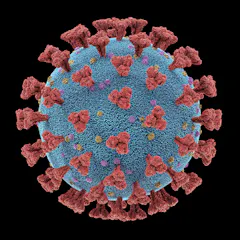
Scientists in the UK and Germany discovered a new doorway that the COVID-19 virus uses to infect human cells. This reveals new therapeutic possibilities for blocking the virus.

New research suggests people who are experiencing physical pain are willing to spend more money than they otherwise would.
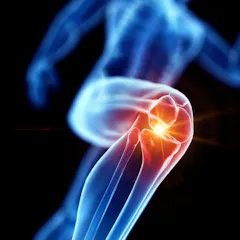
The SARS-CoV-2 virus usually infects the body via the ACE2 protein. But there is another entry point that allows the virus to infect the nervous system and block pain perception.

New rules attempt to curb opioid-related deaths in Australia. These changes are a step in the right direction – but we need to tread carefully to avoid unintended consequences.

Chronic pain is everyone’s problem. It’s costly, debilitating and, according to new statistics, increasingly common. Reversing the trend is achieveable but far from easy.

A new study shows that stress, fatigue, and even feelings of injustice are felt more strongly by those who have been suffering from chronic pain for three or more months.
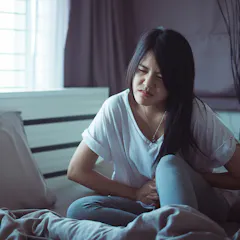
Women with endometriosis pay an average of $1,200 in out-of-pocket health costs a year. When you add lost wages and productivity, the costs add up to $30,000 per sufferer every year.

The number of surgical procedures for chronic shoulder pain in the UK has nearly doubled in ten years. But does it work?
Advice from the people who’ve reviewed all the latest evidence about the effectiveness of these painkillers.

Discovery of genetic overlap between chronic pain and a host of other conditions could help provide better treatments.
Top contributors
-

Conjoint Clinical Associate Professor, Deakin University School of Medicine and Specialist Pain Medicine Physician, Deakin University
-
Professor, Institute for Musculoskeletal Health, University of Sydney
-
Bradley Distinguished Professor, Adelaide University
-
Professor, Sydney School of Public Health, University of Sydney
-
Professor and Deputy Director, Monash Addiction Research Centre, Monash University
-
Senior Lecturer in Linguistics, Manchester Metropolitan University
-
Professor of Physiotherapy, Macquarie University
-
Associate Professor of Anesthesiology, University of Colorado Anschutz
-
Professor of Orthopaedic Surgery, UNSW
-
Professor of Pharmacology, University of Arizona
-
Professor of Medical and Feminist Anthropology, Birmingham City University
-
Senior Lecturer in Psychology, University of Bath
-
Professor, University of Sydney
-
Reader in Health Psychology, Manchester Metropolitan University
-
Professor of Musculoskeletal Physiotherapy, Curtin University