

Our research showed that the mechanisms causing chronic pelvic pain vary from person to person.
Articles on Chronic pain
Displaying 41 - 60 of 137 articles
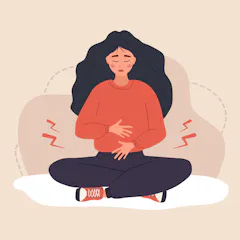
Women are less likely than men to have positive treatment outcomes for chronic conditions.

A new therapy aims to undo some of the harmful and restrictive patterns patients have been taught to ‘protect’ their back from pain. Instead, they’re learning to trust and move their body again.
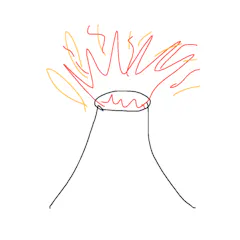
A chatbot that lets users express their feelings by drawing may help communication and treatment for people with chronic pain.
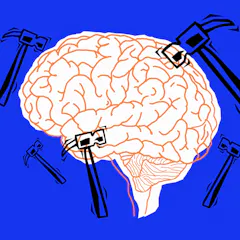
Pain has long been subjectively measured, leading to frustrations for patients and doctors alike. Identifying neural biomarkers of pain could improve diagnosis and lead to better treatments of chronic pain conditions.
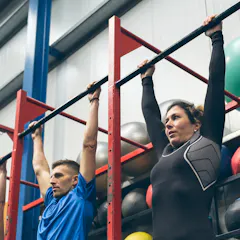
While dead hangs may be OK for people with good upper-body strength and no shoulder problems, they can be risky for some.
‘Sensitisation’ can affect anyone, but some people may be more prone to it than others due to genetic factors, environmental factors or previous experiences.

New research shows the way a person with chronic pain responds to limitations to the activities or goals they value can impact their mental wellbeing – even more so than their pain levels.

The early research suggests the drugs might be effective for some conditions. But scientists have safety concerns.

CBD isn’t a miracle cure for everything that ails a person – but science shows that it has the potential to help treat a number of health conditions.

Yoga’s surge in popularity in the past decade has spurred more research into its effects. The combination of physical movement and mindfulness provides a wide range of health benefits.

Although chronic pain is recognized by scientists as a disease in its own right, it remains largely under-recognized, under-diagnosed and, above all, associated with numerous prejudices.

Studies suggest that marijuana and CBD use might help relieve chronic pain while also reducing a patient’s need for opioids.

Different painkillers provide relief in different ways. The most effective medication is the one that best targets the type of pain you’re experiencing with minimal side effects.

Psychosocial and economic stressors can affect health, but neither our doctors nor our health-care system have the tools to integrate these factors into diagnoses or care. Play offers an alternative.

Measures to curb growing rates of opioid use are also making it difficult for people with long-term, chronic pain to get ongoing prescriptions.

People living with endometriosis wait an average of 7.5 years for a diagnosis. Social science researchers are working to identify ways to help reduce this timeline.

We researched how much difference opioids like codeine, oxycodone or morphine make to osteoarthritis pain. We found they helped about as much as paracetamol. Yet they are far more dangerous.

Drug manufacturers often shun the use of placebos in clinical trials. But research suggests that placebos could play an important role in the treatment of depression, pain and other maladies.

GPs don’t always recognise the metaphors and similes women use to describe their pain – which could mean delays in a diagnosis.
Top contributors
-

Conjoint Clinical Associate Professor, Deakin University School of Medicine and Specialist Pain Medicine Physician, Deakin University
-
Professor, Institute for Musculoskeletal Health, University of Sydney
-
Bradley Distinguished Professor, Adelaide University
-
Professor, Sydney School of Public Health, University of Sydney
-
Professor and Deputy Director, Monash Addiction Research Centre, Monash University
-
Senior Lecturer in Linguistics, Manchester Metropolitan University
-
Professor of Physiotherapy, Macquarie University
-
Associate Professor of Anesthesiology, University of Colorado Anschutz
-
Professor of Orthopaedic Surgery, UNSW
-
Professor of Pharmacology, University of Arizona
-
Professor of Medical and Feminist Anthropology, Birmingham City University
-
Senior Lecturer in Psychology, University of Bath
-
Professor, University of Sydney
-
Reader in Health Psychology, Manchester Metropolitan University
-
Professor of Musculoskeletal Physiotherapy, Curtin University