

Our brains tell our bodies to move differently when we have pain. And there is emerging evidence to show changing how we move could actually contribute to the development of chronic pain.
Articles on Chronic pain
Displaying 101 - 120 of 137 articles

If you’re an Australian teenager or young adult diagnosed with cancer, there’s good news: overall survival rates are good and getting better. But what can you expect from life after cancer treatment?

With restrictions to cannabis loosening at the state level, research is badly needed to get the facts in order.

Many people with moderate to severe chronic pain find it difficult to move around. By contrast, HIV-positive people who had chronic pain are still active.

Poor testing methods and antibiotic use by GPs and urologists has left thousands of women with crippling infections.

Unrelieved pain contributes more to human suffering than any other disease.

If you’ve ever experienced pain in your vulva, you’re not alone. Around 16% of women will have vulvar pain that lasts for longer than three months. They are likely suffering from vulvodynia.
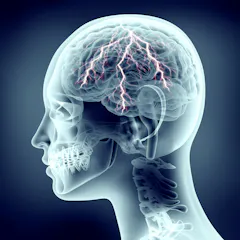
Lyrica, the brand name for a medicine called pregabalin, is an anti-epileptic drug most commonly used to treat chronic nerve pain - a type of pain caused by abnormality in, or damage to, the nerves.

Could the future of pain relief be all about virtual reality games and clinics designed to promote certain sounds and colours?

We are witnessing widespread abuse of legal, prescribed drugs that, while structurally similar to illicit opioids such as heroin, are used for sound medical practices. So how did we get here?

Pelvic inflammatory disease’s traumatic consequences are unmatched by the low level of awareness around it. Left untreated, it can cause chronic pelvic pain, ectopic pregnancy and infertility.

A sea change in pain treatment helped create the opioid abuse epidemic, and another sea change in how doctors view chronic pain could help curb it.

Unexplained, chronic pain known as fibromyalgia affects up to 5% of the population. Yet there are no effective treatment options for the millions for whom each day begins with persistent pain.

A significant decider of why some manage with chronic pain and some are disabled is the way their partners respond to them.

Pain management is one of the most neglected aspects of health care; our failure to adequately address chronic pain is a major driver of its economic and social burden.

Pain scientists are reasonably agreed that pain is an unpleasant feeling in our body that makes us want to stop and change our behaviour.

We’ve learned a lot about how music can help with pain and a score of other clinical problems. But with chronic pain affecting a quarter of us, it’s an area that has received too little attention.
Nearly every second person in the world had a headache at least once in the past year. But these can feel very different, depending on which of the nearly 200 types of headache you have.
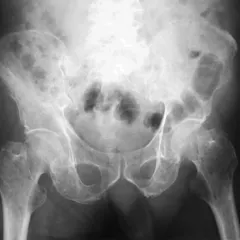
One in five of us has been experiencing chronic pain over the past three months, or longer. Chronic pain won’t kill us; it just makes our lives miserable. More miserable, research suggests, than for example…

Chronic pain, defined as disabling pain that persists despite attempts at treatment and often without obvious cause, has become a serious challenge for health professionals. It is not surprising that someone…
Top contributors
-

Conjoint Clinical Associate Professor, Deakin University School of Medicine and Specialist Pain Medicine Physician, Deakin University
-
Professor, Institute for Musculoskeletal Health, University of Sydney
-
Bradley Distinguished Professor, Adelaide University
-
Professor, Sydney School of Public Health, University of Sydney
-
Professor and Deputy Director, Monash Addiction Research Centre, Monash University
-
Senior Lecturer in Linguistics, Manchester Metropolitan University
-
Professor of Physiotherapy, Macquarie University
-
Associate Professor of Anesthesiology, University of Colorado Anschutz
-
Professor of Orthopaedic Surgery, UNSW
-
Professor of Pharmacology, University of Arizona
-
Professor of Medical and Feminist Anthropology, Birmingham City University
-
Senior Lecturer in Psychology, University of Bath
-
Professor, University of Sydney
-
Reader in Health Psychology, Manchester Metropolitan University
-
Professor of Musculoskeletal Physiotherapy, Curtin University