
The real test is not whether governments can remove children faster. It’s whether they can invest enough that fewer children need to be removed at all.
Articles on Child removal
Displaying all articles
For decades, intercountry adoptees were told they were ‘abandoned’, ‘rescued’ or ‘unwanted’. But these long-held stories are now under scrutiny.
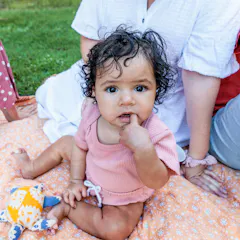
Indigenous children are 11 times more likely to be removed than non-Indigenous children. Babies under one are at greatest risk.

Rather than policing or separating families, a new collaborative movement born in the US seeks to find better ways to support children, families and communities.
It’s so tragically familiar. Australia has had dozens of inquiries, reports and reform efforts in child protection, yet terrible things still happen to children known to child protection agencies.
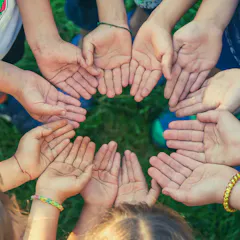
Families need support to care for their children safely, rather than having their children removed.
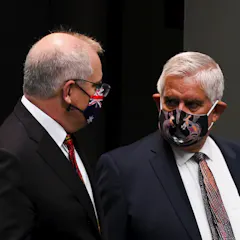
The government recently announced a new reparations scheme for Stolen Generations survivors. However, these survivors are only a fraction of the Indigenous children separated from their families.
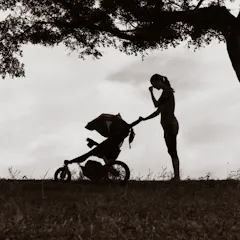
Self-isolation and physical distancing only add to the problems for mothers with an intellectual disability who are at risk of failing to get the help they need.

Indigenous children are admitted to out-of-home care at 11 times the rate for non-Indigenous children. The lack of safe housing for mothers fleeing family violence is a key factor.
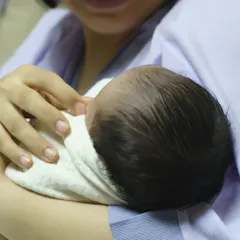
Last week’s attempted removal of a newborn Māori baby from his family highlights the issue that indigenous children are much more likely to be taken into state care, in New Zealand and other countries.
Top contributors
-

Senior lecturer, Queensland University of Technology
-
Professor & Director, Institute of Child Protection Studies, Australian Catholic University
-
Senior Research Fellow, Transforming early Education and Child Health Research Centre, Western Sydney University
-
Paul Ramsay Fellow, Jumbunna Institute for Indigenous Education and Research, University of Technology Sydney
-
Associate Professor, University of Tasmania
-
Senior Lecturer, Southern Cross University
-
Senior Research Fellow, University of Technology Sydney
-
Lecturer, University of New England
-
Lecturer in Social Work, The University of Queensland
-
Research Assistant, University of New England
-
Lecturer & Director of Field Education in the Social Work Program, University of Sydney
-
Senior Honorary Research Fellow, The University of Western Australia
-
Adjunct Professor, Queensland University of Technology
-
Chairperson of Link-Up (NSW) Aboriginal Corporation, Indigenous Knowledge
-
Adjunct Professor, Stout Research Centre, Victoria University of Wellington and Auckland University of Technology, Professor of Political Science, Charles Sturt University