
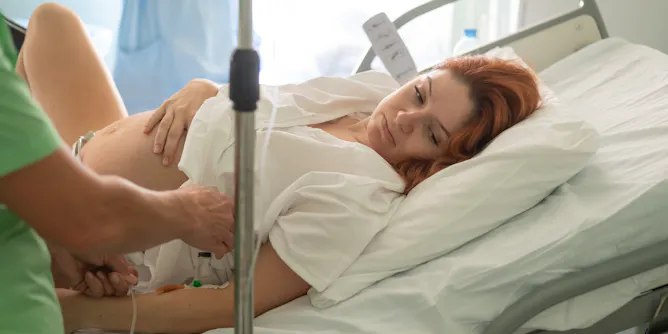
Women report experiencing pressure to birth naturally. This is often overlooked, but can be just as harmful as pressure to have birth interventions.
Articles on Child birth
Displaying all articles

They sound similar but come with very different potential risks.

There are many reasons you may want to opt for a caesarean section.

Women described feeling dehumanised, powerless and violated. Some experienced psychological and emotional abuse, while others were threatened and yelled at.
Epidurals deliver nerve-blocking drugs into the back for pain relief during labour and after surgeries. Epidural kits are currently in short supply, with their use prioritised for obstetric patients.
Maternal mental health conditions are a reflection of harmful social and economic factors that plague women in general.

The incidence of perineal tearing is increasing, but there are ways to reduce the risk.

Compared to women who give birth in a birth centre, those who give birth in hospitals are much more likely to have interventions – from epidurals, to labour augmentation and caesarean deliveries.

If women don’t have access to quality emergency surgery, they can develop dibilitating complications such as fistula.

A routine childbirth proves expensive and complicated. Insurance company adjustments, inconsistent billing and mystery costs flummoxed even a health policy expert and his wife, a teacher.

There may be additional long-term health harms from antibiotic exposure in early life and before birth, including an increased risk of infection, obesity and asthma.
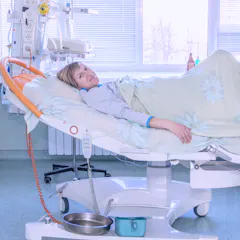
Our study found babies born via medical or surgical intervention were at increased risk of health problems, from jaundice and feeding issues, to diabetes, respiratory infections and eczema.

Women often express a fear of giving birth en route to the hospital, and these fears have some basis.
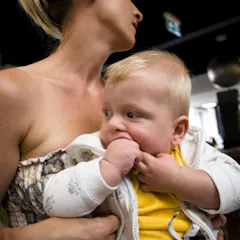
The baby bonus did its job, encouraging people to have more children at a time when fertility rates were low.
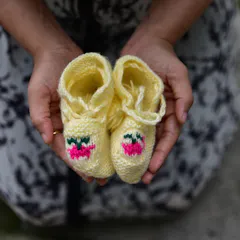
Women born in South Asian countries like India or Pakistan are more likely to have a stillbirth than women born in Australia or New Zealand.
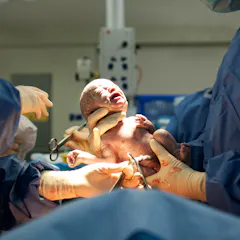
The particular makeup of a newborn’s gut microbes is important as it has been shown to affect their risk of developing certain diseases later in childhood and adulthood.
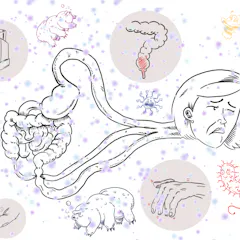
The make-up of our gut is constantly changing and affects everything from our immune system and digestion, to our brain function.
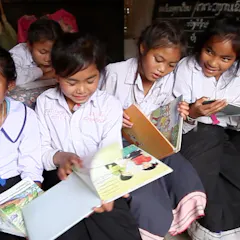
Here’s how cultural practices are playing a role in many countries in incentivizing parents to educate their girls.
Top contributors
-

Professor of Midwifery, Associate Dean Research and HDR, Midwifery Discipline Leader, Western Sydney University
-
Perinatal Epidemiologist and NHMRC Early Career Research Fellow, Hudson Institute
-
Research Professor of Biotechnology, Head of Host-Microbe Interactions Laboratory, RMIT University
-
Associate Professor of Economics, RMIT University
-
Professor of Economics, RMIT University
-
Chair professor, Hudson Institute
-
Post-doctoral Fellow in the School of Medicine, Western Sydney University
-
Clinician and Scientist, Murdoch Children's Research Institute
-
Professor of Paediatrics, The University of Melbourne
-
Adjunct Research Fellow, Western Sydney University
-
Assistant Professor of Economics, University of Toronto
-
Associate Professor of Public Health, The Ohio State University
-
Consultant in Paediatric Infectious Diseases and General Paediatrics, Murdoch Children's Research Institute
-
Associate Professor and Clinical Academic Gastroenterologist, Western Sydney University
-
Senior Lecturer in Economics, RMIT University