
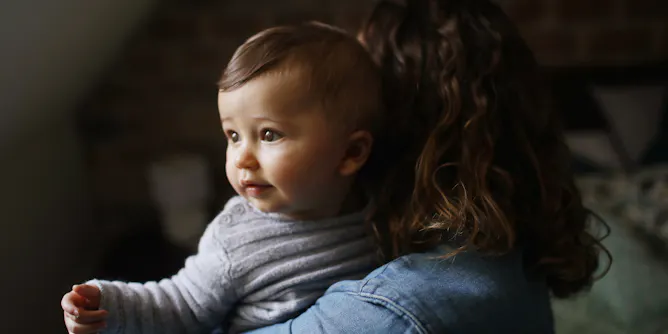
States and territories collect different kinds of information about child safety. So it is hard to know what is going on in childcare centres.
Articles on Child abuse
Displaying 21 - 40 of 278 articles
These conversations don’t have to be frightening. There are age-appropriate ways to teach kids shame-free language about bodies and boundaries.
Supervision gaps can lead to child sexual abuse. Much more needs to be done to fix this long-neglected issue.

Once you get your card, it lasts five years. So people can be flying under the radar.

Parents have been left reeling by news a male Melbourne childcare worker has been charged with alleged sexual abuse of young children in his care.

Public inquiries are severely limited in their capacity to produce meaningful, systemic and lasting change.

Victims of child sexual abuse have been let down by the justice system.
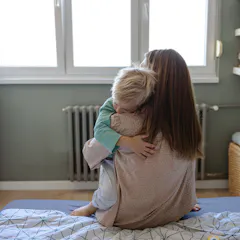
Australia wants to end domestic violence in a generation. To do so, we need to focus on the next one.
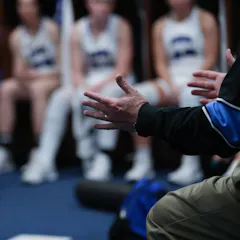
The line between abuse and acceptable behaviour is blurred in many sports, so parents and youth athletes must be vigilant.
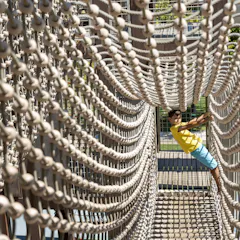
Society as a whole can benefit from programs that protect kids because the harms experienced in childhood can last a lifetime.
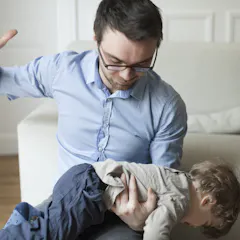
Although millions of US parents approve, decades of research shows that spanking is harmful.
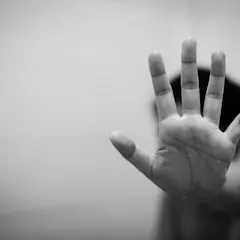
The world’s financial and tech infrastructure has become complicit in sustaining these crimes.

Primary prevention is aimed at addressing the underlying drivers of violence so it never occurs. But many interventions also aim to reduce and respond to violence.
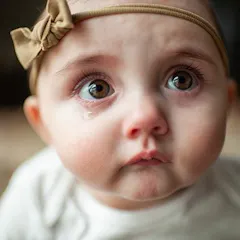
Up to 25% of infants diagnosed with abusive head trauma – otherwise known as shaken baby syndrome – die, and a substantial percentage who survive are left with long-term disabilities.

The Nickel Boys dramatises the real-life history of a segregated reform school in the segregated Jim Crow South: a front for coerced labour and scene of abuse.

The law on deepfakes of children is more established than for adults, but there are still a lot of challenges.
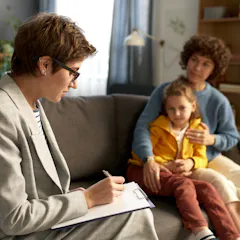
Despite best intentions, social and family workers say they can feel helpless because of bigger problems such as housing or family violence.

The outsize roles of trust, power and authority in organisational leaders can give way to grooming processes.

Family vlogging can seem benign, even heartwarming. But kids can’t consent to appear in these videos − and, in most states, have no claim to any of the earnings.
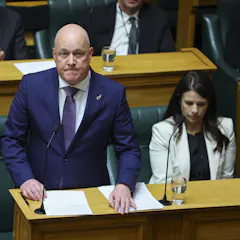
Research shows the state care system continues to traumatise young people, especially Māori. Without real change, survivors believe today’s apology will ring hollow.
Top contributors
-

Associate Supervisor in Child Abuse and Neglect, University of Huddersfield
-
Professor of Criminology, UNSW
-
PhD Student, Faculty of Law, Monash University
-
Professor of Health and Social Policy, University of Liverpool
-
Professor & Director, Institute of Child Protection Studies, Australian Catholic University
-
Associate Professor in Criminology and Criminal Justice, Griffith University
-
Lecturer in Social Work, University of Salford
-
Professor of Sociology, University of Essex
-
Professor (Practice), Faculty of Business and Economics, Monash University
-
Director, Arney Chong Consulting and Positive Futures Research, Adelaide University
-
Visiting Research Fellow, School of Law, University of Leeds
-
Professor of Criminology, City St George's, University of London
-
Western Sydney University
-
Professor of Family and Sexual Violence, RMIT University
-
Professor of Safeguarding and Violence Prevention, Director of the Institute for Children's Futures, Manchester Metropolitan University