
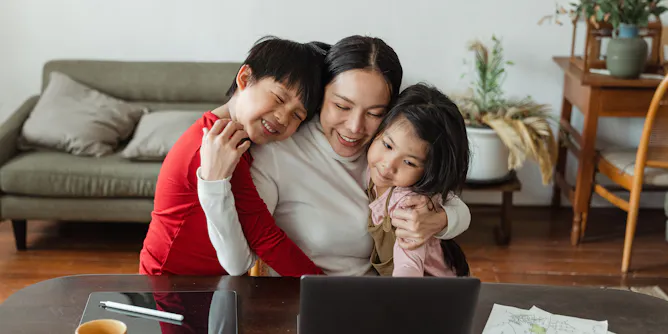
Our mental health and economy are suffering from this pandemic. Parent support programs are a proven way to improve both.
Articles on Child abuse
Displaying 101 - 120 of 278 articles
It’s not just children designated as being ‘at risk’ who are vulnerable. There are thousands of others who have not been assessed and who need the ‘safe haven’ of school.
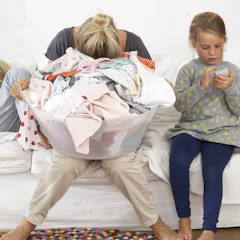
Kids become more vulnerable to maltreatment when their parents can’t secure child care or housing or get jobs.

More than a fifth of US children were working in 1900, and many Americans saw nothing wrong with that. It took decades of activism and court battles plus economic upheaval to change course.

While financial compensation should be offered, there needs to be more understanding of the impact of such payments.
The effects of economic stress on children are big. Parents’ anxiety about their financial situation is equivalent to the effect of a divorce, and is likely at play amid COVID-19.
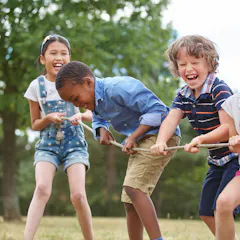
The pandemic response has put the long-term health and well-being of children and adolescents at risk, with the possibility of seismic shifts in population health if we do not act.
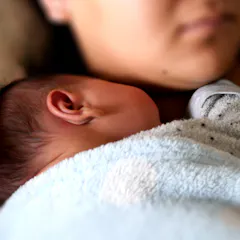
With debate still raging over the state “uplift” of Māori children, understanding our obligations under two key United Nations conventions should be a priority.
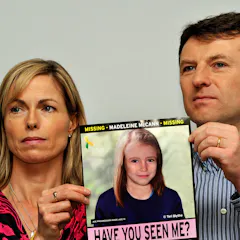
The detective turned criminologist who was sent to help Portuguese police in 2007 says he had misgivings as to how the most basic of tasks were being carried out.

Children abused at home may not be safer at school – in fact the lockdown may have made life easier for children at risk, and their parents.
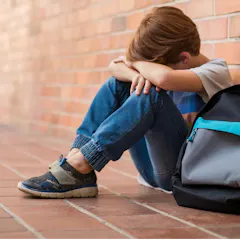
School closures under coronavirus have raised significant risks for vulnerable students who face maltreatment and exposure to violence. Here are five priorities to address when reopening schools.
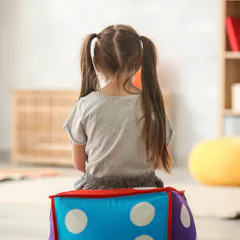
New research suggests that 20% of existing foster carer households may be affected in some way by the virus, and that we have a unique opportunity to support vulnerable children in the months ahead.
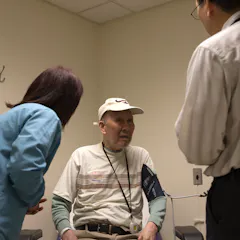
Different groups in society can suffer from social distancing practices. That includes higher risk of domestic violence, child abuse and mental health problems.
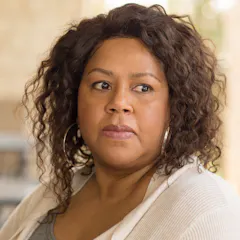
Menopausal women who were abused as children experience more hot flushes while sleeping than those who were not abused, according to recent research.

Rather than only reacting on a case-by-case basis, we need to recognise the root of child neglect and abuse comes from social inequities.

Indigenous children are admitted to out-of-home care at 11 times the rate for non-Indigenous children. The lack of safe housing for mothers fleeing family violence is a key factor.

For decades, those working in social care focused on the risks children face in their family home. But what about when they leave the front door?

The new bill will make it make it mandatory for priests to report suspected child abuse admitted in confidence.

As Canada examines new measures to protect young athletes, an emphasis on rigorous police checks and educating would-be offenders is not the answer.
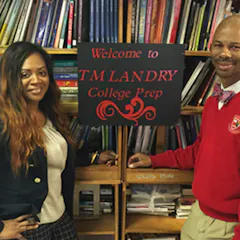
T.M. Landry College Prep, facing allegations of abuse, is known for getting students from poor backgrounds into Ivy League schools. An education scholar says the school’s focus was misplaced.
Top contributors
-

Associate Supervisor in Child Abuse and Neglect, University of Huddersfield
-
Professor of Criminology, UNSW
-
PhD Student, Faculty of Law, Monash University
-
Professor of Health and Social Policy, University of Liverpool
-
Professor & Director, Institute of Child Protection Studies, Australian Catholic University
-
Associate Professor in Criminology and Criminal Justice, Griffith University
-
Lecturer in Social Work, University of Salford
-
Professor of Sociology, University of Essex
-
Professor (Practice), Faculty of Business and Economics, Monash University
-
Director, Arney Chong Consulting and Positive Futures Research, Adelaide University
-
Visiting Research Fellow, School of Law, University of Leeds
-
Professor of Criminology, City St George's, University of London
-
Western Sydney University
-
Professor of Family and Sexual Violence, RMIT University
-
Professor of Safeguarding and Violence Prevention, Director of the Institute for Children's Futures, Manchester Metropolitan University