
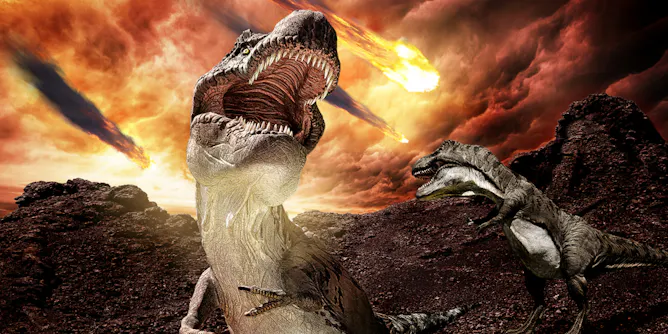
A week after the asteroid impact, rotting vegetation, smoke and sulphur create a stinky planet. Plant and animal survivors succumb to the corrosive acid rain.
Articles on Chicxulub crater
Displaying all articles
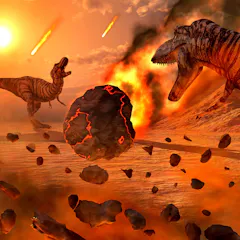
It’s fun to imagine secret dinosaur survivors living today, hidden in a remote corner of Earth. But the truth of who made it through the extinction event 66 million years ago may surprise you.
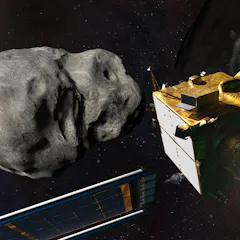
The mission provided details about how to deflect an asteroid should one threaten Earth in future.
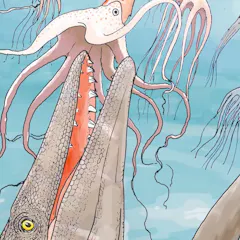
Scientists have discovered a new species of mosasaur, a sea-dwelling lizard from the age of the dinosaurs, with strange, ridged teeth unlike those of any known reptile.
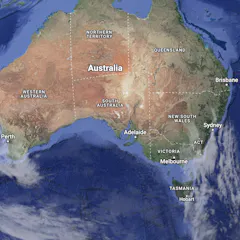
Research on the Deniliquin structure points to an asteroid impact that would have been more than double the scale of the one that killed the dinosaurs.
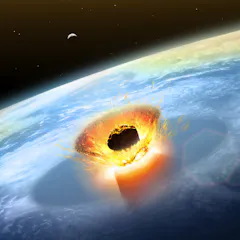
Impact craters are relatively shallow, so these bowl-shaped “dents” in Earth’s rocky crust can be easily buried or erased by erosion.
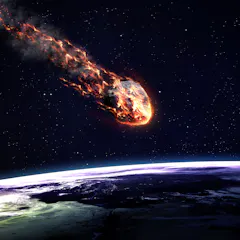
The trajectory of the Chicxulub asteroid led to the most efficient release of gas and projectile rocks – which was disastrous for life on Earth.
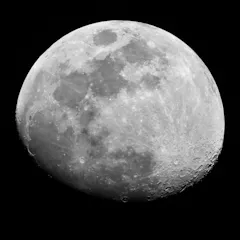
The Apollo missions to the Moon helped our understanding of the cosmic origin of craters on our lunar neighbour, and here on Earth.
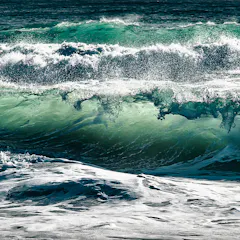
If you’ve never heard of a form of wave called a ‘seiche’ – which can occur in swimming pools during earthquakes – this is your chance to catch up.
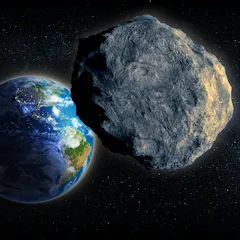
An asteroid on a collision course with Earth is inevitable. Astronomer Michael Lund explains how a new telescope under construction in Chile will become a vital tool for detecting objects that could devastate our planet.
Top contributors
-

Post-doctoral researcher, Department of Physics & Astronomy, Vanderbilt University
-
Senior Lecturer in Physics, Nottingham Trent University
-
Research Associate, International Ocean Discovery Program, University of Leicester
-
Adjunct professor, UNSW
-
Professor of Structural Geology and Metamorphic Petrology, University of the Witwatersrand
-
ARC Future Fellow, School of Earth and Planetary Sciences, Curtin University
-
Senior Lecturer in Paleontology and Evolutionary Biology, Life Sciences at the University of Bath, University of Bath
-
Professor in Geophysics and Remote Sensing, Queensland University of Technology
-
Senior Research Geologist and Curator of Vertebrate Paleontology, Smithsonian Institution
-
Professor of Planetary and Space Sciences, The Open University
-
Professor of Vertebrate Palaeontology, University of Bristol