
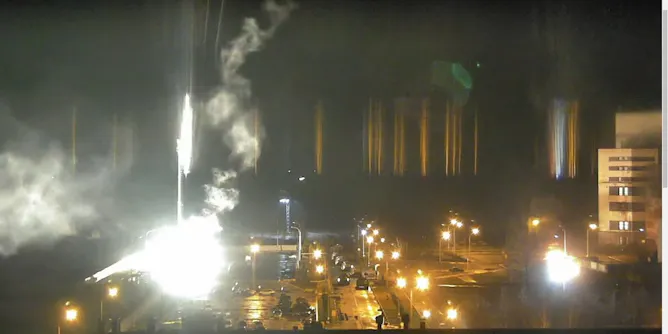
Trouble may arise if the operating reactor is shut down, with risks ranging from a used fuel meltdown to a reactor core explosion.
Articles on Chernobyl
Displaying 21 - 40 of 60 articles
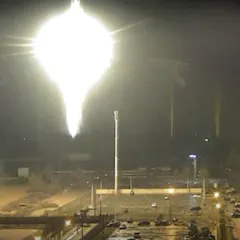
The fire at Europe’s largest nuclear power plant in southern Ukraine understandably raised the spectre of the 1986 Chernobyl disaster. But thankfully this time another nuclear catastrophe was avoided.
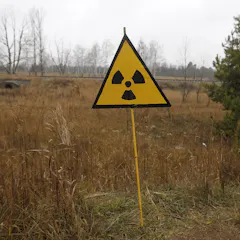
With Russian troops rolling through the Chernobyl exclusion zone in Ukraine, a biologist who studies wildlife in the area describes the risks of disturbing this radioactive landscape.
Heavy military vehicles may have kicked up radioactive soil around Chornobyl, and with fighting nearby there’s a danger of harming the concrete shelter containing the radiation of the leaking reactor.

Ukraine was once known as the breadbasket of Europe, yet it suffered a devastating famine as a result of collectivist plans. That and other Soviet-era grievances have bred resentment toward Russia.
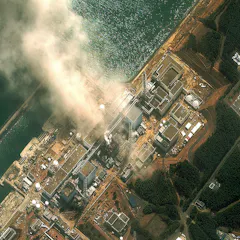
The rush to evacuate communities and abandon nuclear energy was understandable, but an error.

While long-term exposure of lower levels of radiation for wildlife around Chernobyl is still being debated, new research provides insight into the effects on bumblebee populations.

Literary responses to global lockdowns reveal haunting parallels with how people negotiated the invisible threat of radiation after the Chernobyl nuclear power plant disaster.
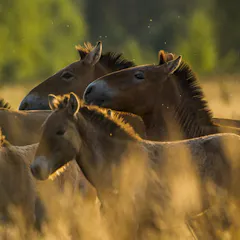
Wild horses native to the steppes of Asia live now in the Chernobyl Exclusion Zone (Ukraine), with an expanding population, 34 years after the nuclear accident.
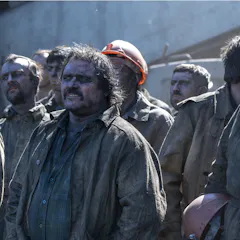
Most of the time, these operations were not urgent – unlike the one following this disaster that summoned some 600,000 people to the site of the worst nuclear accident of all time.
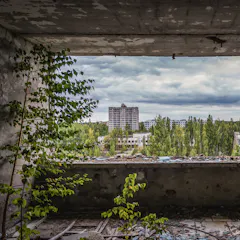
Most plant life survived the nuclear disaster at Chernobyl - and they have a lack of legs to thank for it.
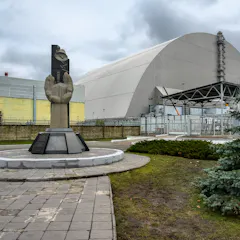
Documentary or drama? The HBO/Sky series is gripping watching, but sometimes facts make way for artistic licence.

The HBO series ‘Chernobyl’ has reignited interest among tourists to visit Pripyat, but growing up in the disaster’s shadow has made us wary.

You might think it morbid, but people have many reasons for visiting the sites of battles and disasters.

The initial impact of the catastrophe on nature was important, but the exclusion zone has now become a natural reserve.
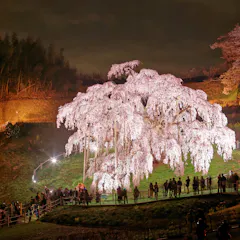
In 2011 the Fukushima Daiichi nuclear disaster struck Japan. Eight years later, Fukushima is perceived in very different ways by the West and by Japan.
We asked climate researchers to peer through the smog and highlight some positive stories from 2018.

Three Mile Island, Chernobyl and Fukushima demonstrated the difficulty of managing a disaster at a nuclear power plant. What is the situation in France?
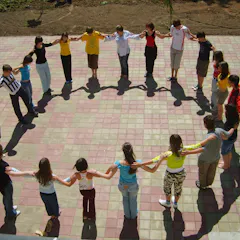
Forging emotional bonds through care, companionship and shared experiences, two very different countries built civic ties from the rubble of the world’s worst nuclear disaster.
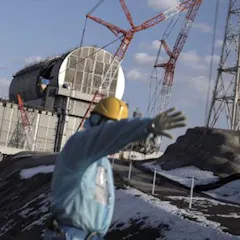
On March 11, 2011, a nuclear disaster struck Japan. Translated testimony by the power plant’s manager reveals how close the world came to a greater catastrophe – and how much there is to be learned.
Top contributors
-

Profesor Titular de Zoología / Associate Professor of Zoology, Universidad de Oviedo
-
Reader in Applied Ecology, University of Salford
-
Directeur du Centre de recherche sur les risques et les crises et chercheur au sein du Collège des Sciences Navales, Mines Paris - PSL
-
Investigador postdoctoral Juan de la Cierva Incorporación, Estación Biológica de Doñana (EBD-CSIC)
-
Professor of Environmental Science, University of Portsmouth
-
Professor of Biological Sciences, University of South Carolina
-
Research Fellow in nuclear waste disposal, University of Sheffield
-
Professor of Intelligent and Self-Organising Systems, Imperial College London
-
Lecturer in Peace Studies and International Development, University of Bradford
-
Associate Professor, Creative Writing, The University of Melbourne
-
Sociologue, IMT Atlantique – Institut Mines-Télécom
-
Post-doctoral Teaching Fellow in Literature & Languages, University of Stirling
-
Professor of English, University of Sussex
-
Timothy J. Jorgensen is a Friend of The Conversation.
Director of the Health Physics and Radiation Protection Graduate Program and Professor of Radiation Medicine, Georgetown University
-
Deputy Section Head Section of Environment and Radiation at IARC, International Agency for Research on Cancer (IARC)