
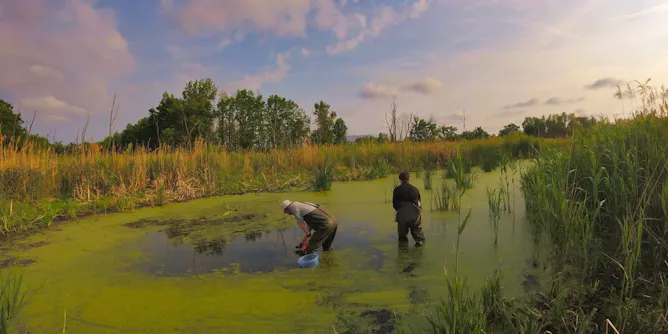
Chernobyl’s exclusion zone has become one of Europe’s biggest nature reserves.
Articles on Radioactivity
Displaying 1 - 20 of 49 articles
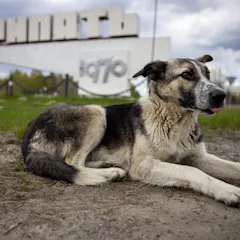
Is radiation really changing Chornobyl’s dogs? It’s a great story, but not supported by evidence.

Once classified files from East Germany reveal the extent of Soviet actions to hide the true extent of catastrophe.

Radiation risk can be measured, understood and controlled in ways that keep people safe, including from contaminated foods.

When I talk about my anthropological fieldwork, many Americans are shocked to learn that “living on a nuclear test site” is even a logical statement.
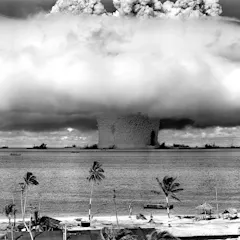
For decades, the US seriously pursued the idea of ‘peaceful nuclear explosions.’
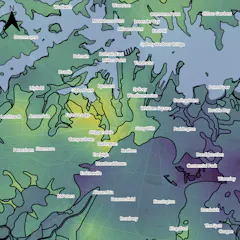
A new map offers a new perspective on the city, revealing the steady, ever-present natural radiation emerging from the ground beneath our feet.
Unstable atoms emit fast-moving particles that can damage cells in the human body. Some atoms are far more unstable than others.
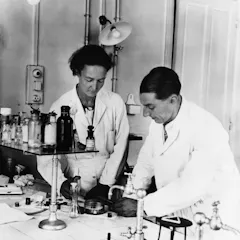
Marie Curie’s daughter Irene continued her family’s Nobel legacy by discovering artificial radioactivity.
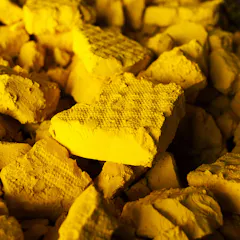
Uranium enrichment concentrates one specific type of the atom to create a substance that can generate massive amounts of energy.
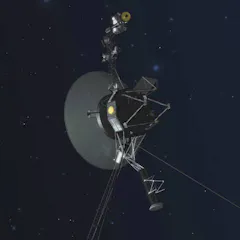
When a spacecraft is too far from the Sun to use solar panels, it needs a different reliable source of power.

Otherworldly karst landscapes, such as Western Australia’s famous Pinnacles, hold clues about Earth’s climate history – and future.
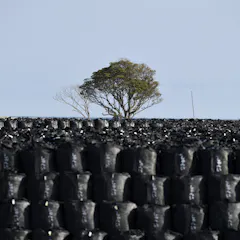
Japan has undertaken extensive efforts to decontaminate land in Fukushima – whether they were they right to do so is a complex question.
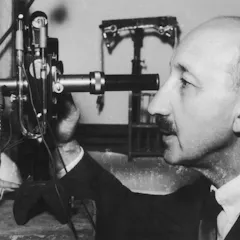
Some Nobel Prize-winning ideas originate in strange places, but still go on to revolutionize the scientific field. George de Hevesy’s research on radioactive tracers is one such example.

It’s not just the ingredients we should be concerned about. The devices themselves release chemicals that end up in our blood and urine.
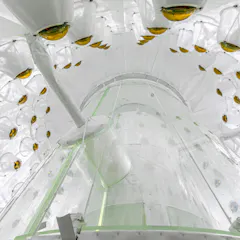
To detect dark matter, you need to build an ultra-sensitive detector and put it somewhere ultra-quiet. For one physics collaboration, that place is almost a mile under Lead, S.D.

Should the capsule not be found immediately, we can’t just write it off as lost. A long term system of monitoring is needed to protect humans and the environment.
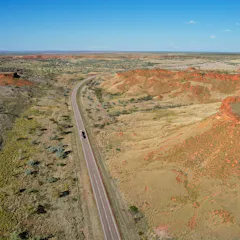
The lost radioactive source may never be found.
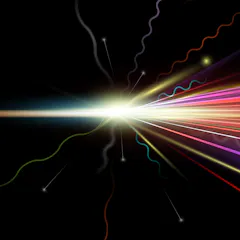
A new particle accelerator has just begun operation. It is the most powerful accelerator of its kind on Earth and will allow physicists to study some of the rarest matter in the universe.
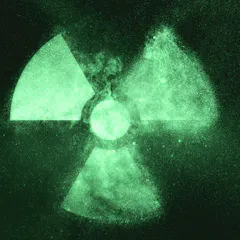
Radiation really is everywhere – and it’s not at all as spooky or dangerous as we often think.
Top contributors
-

Professor of Nuclear Physics, Michigan State University
-
Professor of Environmental Science, University of Portsmouth
-
Timothy J. Jorgensen is a Friend of The Conversation.
Director of the Health Physics and Radiation Protection Graduate Program and Professor of Radiation Medicine, Georgetown University
-
CBRN defence scientist, Charles Darwin University
-
Associate Professor of Chemistry, Michigan State University
-
Assistant Professor of History, Mississippi State University
-
Associate Professor in History of Modern Science and Technology, University of Cambridge
-
Research Fellow in nuclear waste disposal, University of Sheffield
-
Radioecologist (NERC-CEH), UK Centre for Ecology & Hydrology
-
Senior Lecturer in Biological and Environmental Sciences, University of Stirling
-
Senior Lecturer, Faculty of Law, Monash University
-
Senior Lecturer in Chemistry, University of Birmingham
-
Professor of Biological Sciences, University of South Carolina
-
Honorary Principal Fellow, School of Population and Global Health, The University of Melbourne
-
Professor, Centre for Research into Topical Drug Delivery and Toxicology, University of Hertfordshire