
Tumour evolution was first identified 40 years ago. We’re finally making good progress with it.
Articles on Chemotherapy
Displaying 61 - 80 of 93 articles

Nanoparticles are a form of transport for drugs and can go places drugs wouldn’t be able to go on their own. They make drug delivery more targeted, reducing collateral damage to healthy tissues.
The incidence of Hodgkin’s lymphoma in Kenya isn’t known, but new information is emerging to shed light on its prevalence.

The chances of surviving breast cancer are improving everyday due to advanced research and new treatment techniques.

NSW is about to embark on the largest and most definitive clinical trial ever of medicinal cannabis for chemotherapy-induced nausea and vomiting.

In Australia, there is no system in place to support people returning to work after cancer treatment – or to provide advice to their employers on how to help them.
Children’s cancer is a rare disease, which means the market is small and pharmaceutical companies have few incentives to develop drugs for these cancers.

Research in animals and humans shows periods of fasting before and after chemotherapy protects healthy cells while killing cancerous ones more efficiently.

Humble hydrogels could one day replace hypodermic needles and repair damaged hearts.
New tools help doctors and breast cancer patients decide whether chemotherapy is needed. A recent study suggested that many can forgo chemo. But the decision is complicated. Here’s why.

One in ten cancer patients will face fertility issues after treatment, but less than 50% are given options to preserve fertility. And those who are offered options can face significant cost barriers.

Humans can more easily tolerate tumours in large or paired organs than in small, critical ones. This could be why the latter have evolved more cancer-fighting mechanisms.

There is actually no existing evidence to show that a flat dose of 100mg of carboplatin provides inferior outcomes.
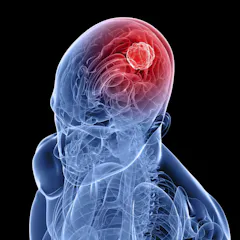
Glioblastoma is an aggressive form of brain cancer that has a very poor prognosis. Despite the current best therapies half its sufferers survive for 15 months and less than 5% are alive after 5 years.
We found one third of patients near the end of their life received non-beneficial treatments in hospitals around the world. These included initiating chemotherapy and providing emergency surgery.

Methotrexate is a drug used for rheumatoid arthritis, psoriasis and inflammatory bowel disease. It is taken on just one day a week. Accidental daily dosing can cause life-threatening toxicity.
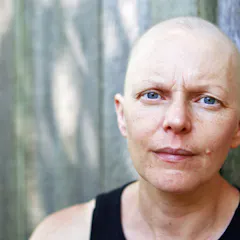
New research that more isn’t better when it comes to chemotherapy mirrors the evolution of surgery approaches to breast cancer that, a few decades ago, were far more radical than now.

The cost of cancer drugs is killing patients and it needs to stop
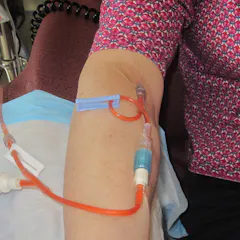
Unlike most other types of drugs, the dose a chemotherapy patient is given isn’t fixed. Instead it’s individually selected based on height, weight and underlying health.

Research on IV devices is underdeveloped, underfunded and understudied. That means doctors don’t always have the information they need to choose the best one for their patients.
Top contributors
-

Professor of Pharmaceutical Chemistry, Macquarie University
-
Associate Professor (conjoint), Children's Cancer Institute
-
Adjunct Professsor, School of Psychology, Faculty of Health and Medical Sciences, Adelaide University
-
Professor of Sociology, Ball State University
-
Professor of Biomedical Sciences, Anglia Ruskin University
-
Research Fellow, ZERO2FIVE Food Industry Centre, Cardiff Metropolitan University
-
Clinical Instructor, Vanderbilt University
-
Senior Lecturer in Pharmacy, NHMRC Emerging Leadership Fellow, University of Sydney
-
NHMRC Senior Research Fellow, Centre for Cancer Biology, Adelaide University
-
Senior Coordinator, Communications and Events, Monash University
-
Associate Professor of Applied Mathematics, University of Waterloo
-
Adjunct Clinical Associate Professor, AMREP Department of Medicine, Alfred Hospital, Melbourne & Senior Medical Oncologist and Palliative Care Physician, Melbourne Oncology Group, Cabrini Haematology and Oncology Centre, Wattletree Road, Malvern, Monash University
-
Associate Professor of Behavioral Sciences, University of South Carolina
-
Associate Professor, WEHI (Walter and Eliza Hall Institute of Medical Research)
-
Professor, Internal Medicine, University of Michigan