
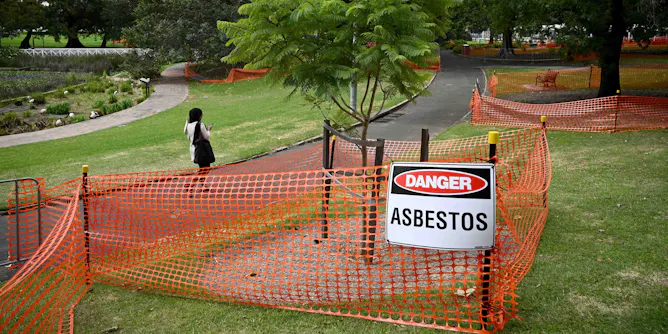
Exposure to asbestos can cause the same cancer in dogs as it does in humans. Recent cases of asbestos-contaminated mulch highlight the need to better protect our pets.
Articles on Chemotherapy
Displaying 21 - 40 of 93 articles
Treatment for lung cancer patients is the same for everyone, regardless of the risk of recurrence. The use of a new technology could refine diagnosis.
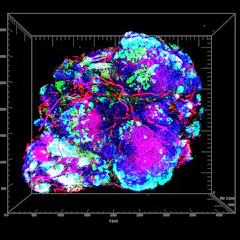
Some cancers are notoriously resistant to chemotherapy and not curable with surgery. Stopping tumors from adapting to the harsh microenvironments of the body could be a potential treatment avenue.

There are personal, environmental and structural factors that influence a patient’s ability to adhere to treatment.

Both cancer and cancer treatment can impact someone’s ability to have biological children. It’s important to discuss fertility right after cancer diagnosis.
October is awash in seas of pink T-shirts, balloons and ribbons in honor of Breast Cancer Awareness Month. But this messaging fails to recognize people who are not cured of the disease.
A diagnosis of metastatic breast cancer means having cancer for the rest of one’s life – a situation with very different needs and concerns compared to earlier stages of the disease.
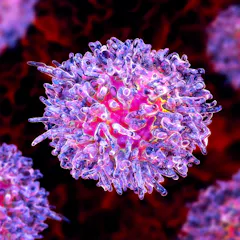
Our team found that chemotherapy can be made more successful by treating nearby ‘normal’ cells with protein-blocking drugs in lymphoma and leukemia.
Late detection of breast cancer means treatment is often drastic and frightening for patients.
If you hear about wonder drugs or ingredients that are claimed to be effective in curing all types of cancer, we must beware of their equally dangerous side effects.
AMPK is normally a tumour suppressor. But once cancer arises, AMPK becomes a tumour promoter, enhancing the survival of cancer cells. Understanding this could help create drugs that inhibit AMPK.
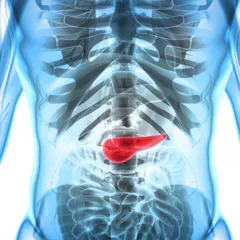
Pancreatic cancer currently has one of the least optimistic prognosis, with just 5% of patients surviving five years after diagnosis. A recent study opens a door to hope.

Alex Trebek announced this week that his pancreatic cancer is in remission. A pancreatic cancer specialist explains the difficulties of the disease as well as new treatment advances.

Children with cancer not only endure chemotherapy or radiation treatment but they may also face infertility in adulthood. Now a new procedure, just proven in monkeys, may be close to use in humans.

Pancreatic cancer has historically had among the lowest survival rates of any type of cancer. A recent study that looked at genomic changes reveals some possible clues.

A new breast cancer test predicts whether a patient will benefit from endocrine therapy, allowing patients and their doctors to make better treatment decisions.
Multidisciplinary rehabilitation teams could help cancer survivors to recover from the toxic side-effects of their treatments and return to their lives.
Cancer treatment could be revolutionised by the discovery of the origin cells which divide first.
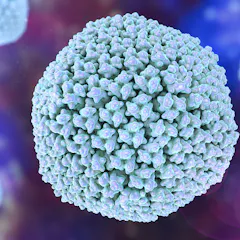
When you think of viruses, you might think of the horrible illnesses they cause, like flu or Ebola. But now researchers are learning how to use the unique traits of viruses to treat disease.

Male and female tumors are different. Researchers are now hoping to exploit these sex-specific differences to treat brain cancer. This might improve survival for everyone.
Top contributors
-

Professor of Pharmaceutical Chemistry, Macquarie University
-
Associate Professor (conjoint), Children's Cancer Institute
-
Adjunct Professsor, School of Psychology, Faculty of Health and Medical Sciences, Adelaide University
-
Professor of Sociology, Ball State University
-
Professor of Biomedical Sciences, Anglia Ruskin University
-
Research Fellow, ZERO2FIVE Food Industry Centre, Cardiff Metropolitan University
-
Clinical Instructor, Vanderbilt University
-
Senior Lecturer in Pharmacy, NHMRC Emerging Leadership Fellow, University of Sydney
-
NHMRC Senior Research Fellow, Centre for Cancer Biology, Adelaide University
-
Senior Coordinator, Communications and Events, Monash University
-
Associate Professor of Applied Mathematics, University of Waterloo
-
Adjunct Clinical Associate Professor, AMREP Department of Medicine, Alfred Hospital, Melbourne & Senior Medical Oncologist and Palliative Care Physician, Melbourne Oncology Group, Cabrini Haematology and Oncology Centre, Wattletree Road, Malvern, Monash University
-
Associate Professor of Behavioral Sciences, University of South Carolina
-
Associate Professor, WEHI (Walter and Eliza Hall Institute of Medical Research)
-
Professor, Internal Medicine, University of Michigan