

Australians use debit and credit cards to pay for almost three out of four payments. Here’s what will soon change for shoppers and businesses.
Articles on Cash
Displaying 1 - 20 of 55 articles

By adding friction and making it possible for people around problem gamblers to see what they’re up to, a cash requirement could protect them from big losses.

The hardest part of leaving the cash economy can be the expectations of loyal customers.
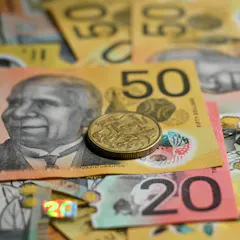
Around half of Australians still use cash in a typical week, and we keep about $65 in our wallets.

The social rules around money have struggled to keep pace with technology. But there’s a surprising way to rethink how you split bills that can make you feel better.

A few hundred extra dollars a month would go a long way for many Coloradans.

Public safety shutoffs are becoming routine in fire-prone areas. But when the grid goes down, so do digital transactions.
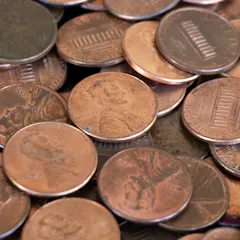
Yes, the government makes pennies at a loss. But just stopping production could create new problems.
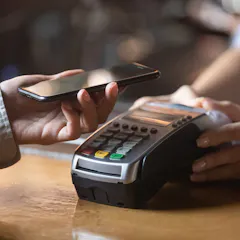
Contactless is king in Sweden, but people who do not have access to the technology are left behind.

Tapping a card or device now affects the brain in the same way that spending notes and coins used to, research suggests.

Letting the banks charge their own extra fees might be a non-starter. The government has some other ideas, including a cash mandate and a possible new rural services levy to keep branches open.
An economist swears by this technique.

The federal government has laid out a big picture proposal to keep cash alive. But it will need to keep a close eye on the details, and the unique challenges cash presents for businesses.

Treasurer Jim Chalmers and Assistant Treasurer Stephen Jones outlined the move in a statement, and are also releasing a plan to make the phasing out of cheques as orderly as possible.

In a move that could reshape how Australians pay for everyday purchases, the federal government is preparing to ban businesses from slapping surcharges on debit card transactions. This plan, pending a…
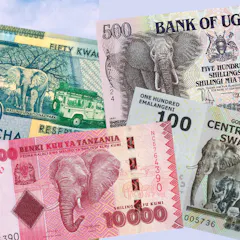
What do you know about your national currency? How about the cash used overseas? We studied wildlife imagery on banknotes around the world. Here’s what we found.

By declaring cash an ‘essential service’ the government would secure its future for those Australians who still use it.

New research shows that paying cashlessly, whether by card or phone and regardless of any credit involvement, leads to spending more money.
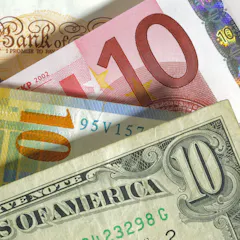
The theory that money emerged naturally encourages people to believe free markets are natural systems in which governments only interfere. But this thinking is flawed.

Cash is still important to many Australians as a store of wealth and an alternative means of payment.
Top contributors
-

Associate Professor of Business, Boston University
-
Adjunct Professor, Swinburne University of Technology
-
Visiting Fellow, Crawford School of Public Policy, Australian National University
-
Director of Studies, Loughborough University
-
Professor of American Religious History, Vanderbilt University
-
Professor of Anthropology, University of South Florida
-
Dean of Business School, University of Southern Queensland
-
Ph.D. Candidate in Sociology, University of Michigan
-
Professor of Economics, Columbia University
-
Professor of Biology, Entomology and Biotechnology, Penn State
-
Professor of FinTech History and Global Trade, Northumbria University, Newcastle
-
Graduate Student in Biology, Penn State
-
Associate Professor of History, Georgia State University
-
Dean of Global Business, The Fletcher School, Tufts University
-
Doctoral Lecturer in Sociology, City University of New York