

The EU aims to launch the currency by 2029, but digital literacy and security are possible barriers.
Articles on Cashless economy
Displaying 1 - 20 of 27 articles
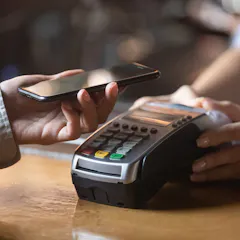
Contactless is king in Sweden, but people who do not have access to the technology are left behind.
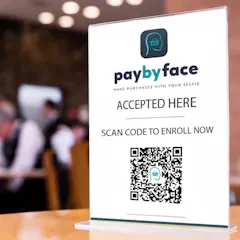
Facial recognition technology is not new, but using your face to pay for shopping is. New research has identified what will help consumers embrace this new tech, and what could stop them.

By declaring cash an ‘essential service’ the government would secure its future for those Australians who still use it.
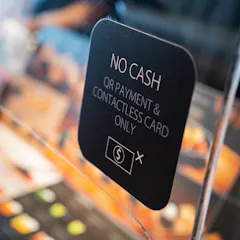
A cashless economy is a less inclusive economy.

Electronic payments are convenient and are increasingly replacing cash, but when a network fails, the impact can bring a country to a halt.

Regulating the increasingly popular digital payment providers will bring them into line with other payment services and help protect consumers.

As the US increasingly becomes a cashless society, it’s getting harder to use currency to pay for things – including taxes. One fearless economist gave it a try.
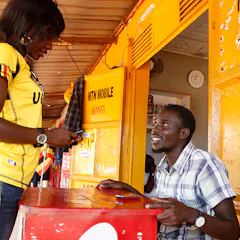
E-payments make it easy for banks to keep trail of transactions because they are recorded in real time.

The introduction of these technologies in Ghana has created an enabling platform for consumers to use their mobile phones to pay for goods and services

Taxing electronic payments is key to raising revenue form the informal sector
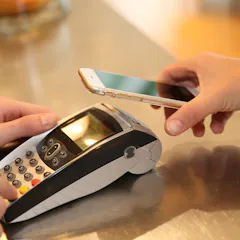
Christmas is traditionally a time of giving, including to charities and the needy. But what happens when so few of us carry cash anymore?
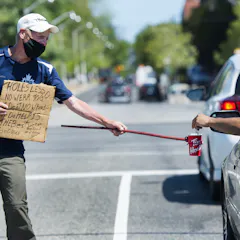
The outbreak of the COVID-19 pandemic has exposed gaps in the health-care system that leave those without identification documents vulnerable.
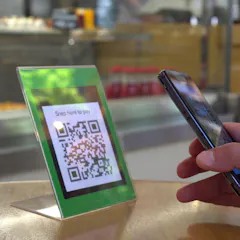
A fully cashless society has often been presented as natural or inevitable. The experiences of Sweden and Zimbabwe highlight some pitfalls.

There’s no indication that handling cash increases your chance of catching COVID-19. But that hasn’t stopped countries around the world from looking at digital currencies.
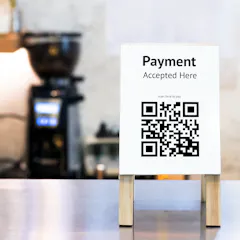
As cashless societies become a reality, we’re starting to see this technological revolution has a dark side.
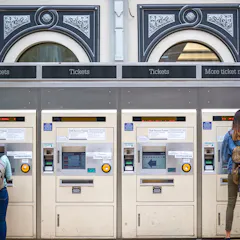
A dormant ‘cash mountain’ marks a nadir for London’s contactless travel card, but trouble has been brewing for some time.

A cashless society depends on three things, all of which have failed in recent weeks as a result of natural disasters and security breaches.
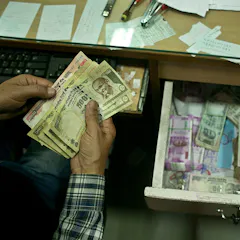
India’s recent move toward a cash-free society helped reveal just how important physical currency is to the informal economies that the poorest families depend upon.
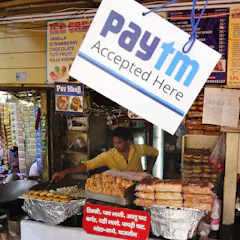
India’s transition to a digital economy creates several new opportunities for financial criminals.
Top contributors
-

Associate Professor of Business, Boston University
-
Professor of FinTech History and Global Trade, Northumbria University, Newcastle
-
Adjunct Professor, Swinburne University of Technology
-
Lecturer in Anthropology, Macquarie University
-
Lecturer, Intercollege Larnaca
-
Languages Department Coordinator/Lecturer of English, Intercollege Larnaca
-
Director, Master of Business Administration Program (MBA); Co-Director, Better Consumption Lab, Deakin University
-
Assistant Professor, Security and Crime Science, UCL
-
PhD Candidate, Bangor University
-
Lecturer, Information Technology and the Law, Daystar University
-
Lecturer, Management Studies, AAM University of Skills Training and Entrepreneurial Development
-
Associate Professor of Marketing, UMass Lowell
-
Profesor in the Department of Indigneous Studies, Lakehead University
-
Associate Professor of Sociology, Lakehead University
-
Acting Director, Institutional Advancement, University of Ghana, University of Ghana