
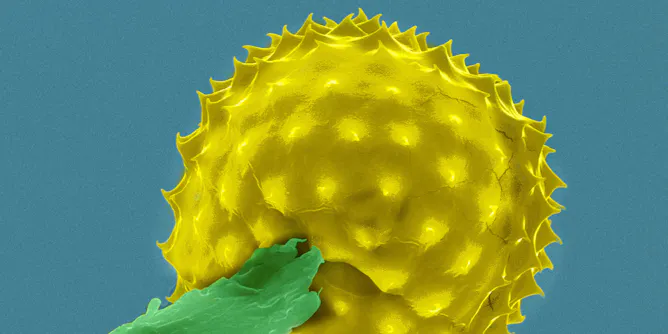
Rising temperatures mean longer, earlier pollen seasons, but the bigger problem is what carbon dioxide will do to the amount of pollen being released. A 200% increase is possible this century.
Articles on Carbon dioxide (CO2)
Displaying 121 - 140 of 374 articles
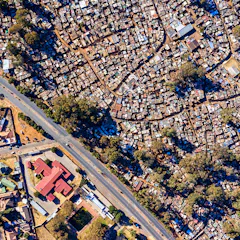
The reduction of inequality is crucial from an ethical point of view as well as the fact that will open new possibilities on how to tackle climate change.
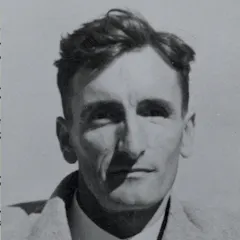
His theory, based on years of detailed climate and weather data, became known as the Callendar Effect. Today we call it global warming.
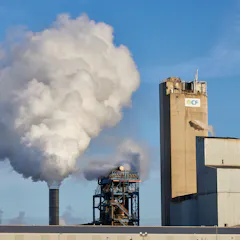
It’s time to think about other sources, such as carbon capture and bioethanol production.

Plan to cut emissions quickly, use offsets sparingly and set broader goals for improving society.
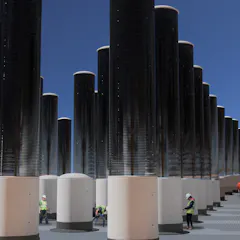
Klaus Lackner is finding new ways to cut the technology’s high costs and energy demand, and he’s about to launch the first ‘mechanical tree’.
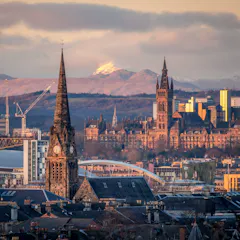
By measuring emissions in real time, cities can take stronger action against air pollution and global warming.
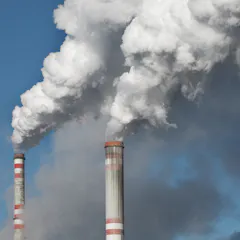
Critics say investing in carbon capture and storage means betting on technology that’s not yet proven to work at scale. Using liquid marbles could make a huge difference.
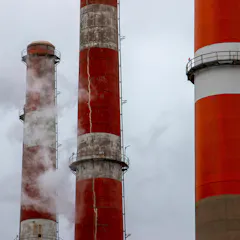
Soaking up and storing CO₂ is not just a question of technology.

Pollution from more frequent floods and wildfires – exacerbated by the warming climate – is threatening human health and poses particular risks to the brain.

Embodied emissions in buildings could be a hidden setback for carbon reduction targets.

The global shipping sector delivers 90% of global trade and has a carbon footprint the size of Germany’s.

The clock tracks global emissions and temperature data, and uses the most recent five-year emissions trend to estimate how much time is left until global warming reaches the 1.5 C threshold.
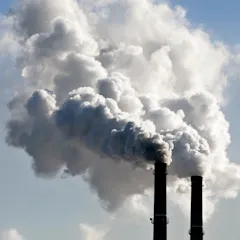
Targets for reductions in methane and other greenhouse gases should be guided by science, and set in line with the Paris deal.
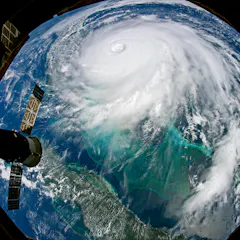
Take a closer look at what’s driving climate change and how scientists know CO2 is involved, in a series of charts examining the evidence in different ways.

Halting forest loss is a crucial milestone on the road to net zero.
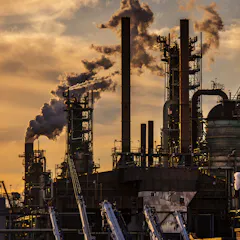
Transcripts and internal documents show how the industry shifted from leading research into fossil fuels’ effect on the climate to sowing doubt about science.
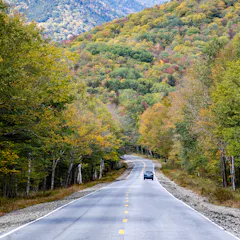
Warm autumn weather has produced dull leaf colors across the eastern US this year, but climate change isn’t the only way that humans have altered trees’ fall displays.
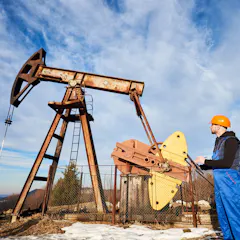
Saudi Arabia and soon Australia are making net zero pledges, but they have no plans to wind down fossil fuel output soon.
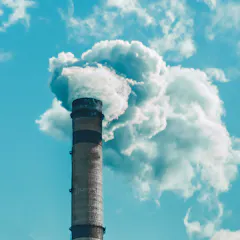
CO₂ is used in a range of industries, from food production to pharmaceuticals.
Top contributors
-

Chief Research Scientist, CSIRO Environment; Executive Director, Global Carbon Project, CSIRO
-
Research Group Leader, CSIRO
-
Royal Society Research Professor of Climate Change Science, University of East Anglia
-
Honorary Fellow, CSIRO
-
Senior Researcher, Center for International Climate and Environment Research - Oslo
-
Senior Researcher, Center for International Climate and Environment Research - Oslo
-
Professor, Department of Earth System Science, and Chair of the Global Carbon Project, Stanford University
-
Chair, Mathematical Modelling of Climate, University of Exeter
-
Professor and Climate Scientist, Department of Geography, Planning and Environment, Concordia University
-
Professor of Chemical Engineering and Chemistry, University of Sheffield
-
Professor of Atmospheric Sciences, Climate Change Research Centre, UNSW
-
CO2Chem Network Manager, University of Sheffield
-
Senior Research Scientist, CSIRO
-
Head of Atmospheric, Oceanic and Planetary Physics, University of Oxford
-
Géochimiste, chargé de recherche CNRS au Centre de recherches pétrographiques et géochimiques de Nancy, Université de Lorraine