
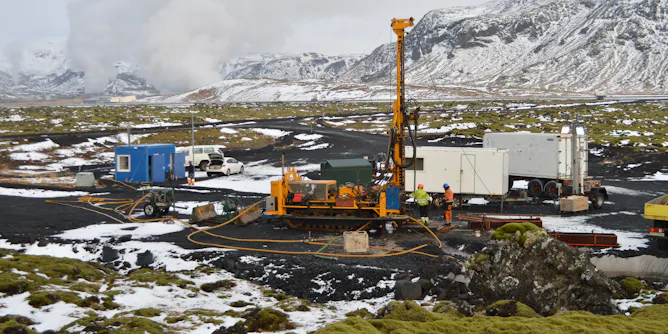
Storing waste CO2 in rock? Results from a test site at a geothermal plant in Iceland show that CO2 mixed with water can be turned into minerals in locations with basalt volcanic rock.
Articles on Carbon capture and storage
Displaying 101 - 120 of 145 articles

An Icelandic trial shows carbon dioxide can be pumped underground and stored as rock.
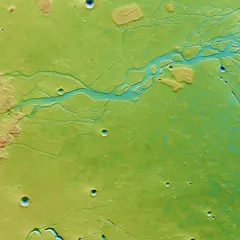
Working out how Mars’s carbon dioxide was turned into rock could help with carbon capture efforts on our own planet.
Countries have signed up to the Paris climate deal, but they have not yet promised the necessary cuts to emissions.
New analysis reveals carbon capture at coal power plants is significantly more expensive than thought, making renewables and natural gas power generation more attractive.
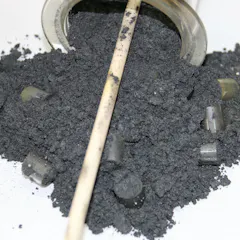
New technique captures 78% carbon using molten tin.
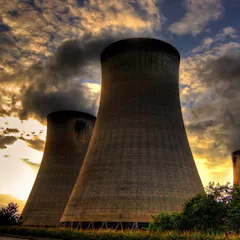
A technology designed to reduce the effect of fossil fuels on the climate has received £1 bln in subsidies and has nothing to show for it.
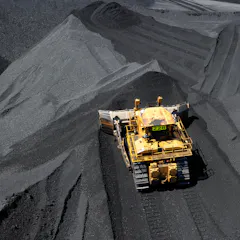
For more than a decade the coal industry’s favoured response to climate change was carbon capture and storage, or CCS. CCS is still the main defence, but the absence of functioning projects is making it ever more threadbare.
New research shows that we’ll have to remove carbon from the atmosphere for any chance of keeping warming below 2C.
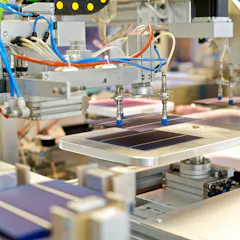
Countries will take emissions reduction pledges to international climate talks in Paris at the end of this year. Those pledges should also include funds for low-carbon R&D.
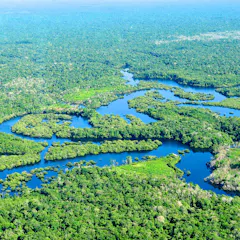
Divestment campaigns aim to halt the use of fossil fuels, but the climate can be also stabilized through ‘recarbonization’ techniques, such as reforestation and changing agricultural practices.
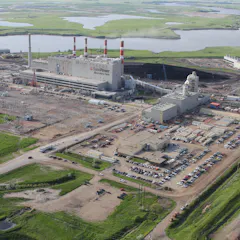
Carbon capture and storage – pumping CO2 from power plants underground – is required for dramatic cuts on CO2 emissions. Why is adoption of this technology losing steam?
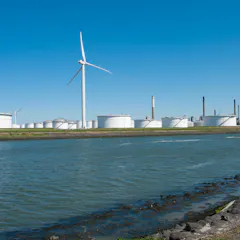
The question of whether the future will be powered by coal and oil or by renewable energy is crucially important, both to the medium-term future of the Australian economy and to the long-term future of…
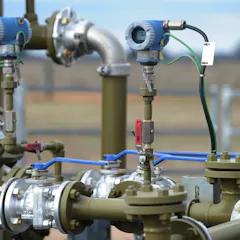
In a recent article on The Conversation, Queensland coal seam gas (CSG) researchers argued that the industry is progressing faster than the science, leading to concerns over fugitive emissions and impacts…
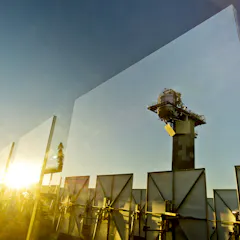
As climate negotiators meet at the United Nations’ Lima summit, which comes hot on the heels of the landmark US-China climate deal, there is a renewed focus on how the world can move to a lower-emissions…
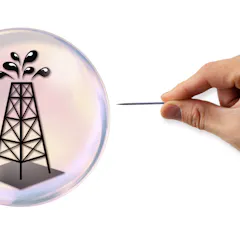
The controversy ignited by the Australian National University in October, when it decided to sell its shares in seven resources companies, has raised two important questions about divestment from assets…
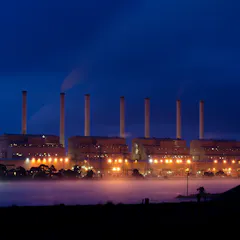
To have any chance of avoiding dangerous climate change we’ll have to reduce the carbon emissions from our energy sectors — currently the largest human source of greenhouse gas emissions globally. And…
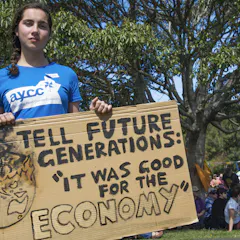
Today more than 120 world leaders are gathered in New York for the Climate Leaders’ Summit. With global emissions continuing to rise, it is easy to be pessimistic. But new research released today shows…
Carbon capture and storage (CCS) doesn’t to decrease the negative environmental effects of coal power. Researchers from National…
Research coming from UCLA and five other universities has proven that by far the most effective way to prevent further global…
Top contributors
-

Head of Atmospheric, Oceanic and Planetary Physics, University of Oxford
-
Former Visiting Fellow, SPRU, University of Sussex Business School, University of Sussex, University of Staffordshire
-
Associate Principal (Global Sustainability) and Director Research Centre for Carbon Solutions (RCCS), Heriot-Watt University
-
Professor, Crawford School of Public Policy and Director, Centre for Climate and Energy Policy, Australian National University
-
Professor, School of Economics, The University of Queensland
-
Assistant Director of the Global Systems Institute, University of Exeter
-
Chief Research Scientist, CSIRO Environment; Executive Director, Global Carbon Project, CSIRO
-
Professor of Environmental Economics, University of Oxford
-
CEO, Cooperative Research Centre for Greenhouse Gas Technologies
-
Lamont Research Professor, Columbia University
-
Honorary Associate Professor, UNSW
-
Senior Research Engineer, Massachusetts Institute of Technology (MIT)
-
Chair of ARC Centre of Excellence for Quantum Biotechnology, The University of Queensland
-
Deputy Director, Centre for Advanced Nanomaterials; Associate Professor; ARC Future Fellow, Adelaide University
-
Honorary Senior Lecturer in Chemical Engineering, University of Aberdeen