
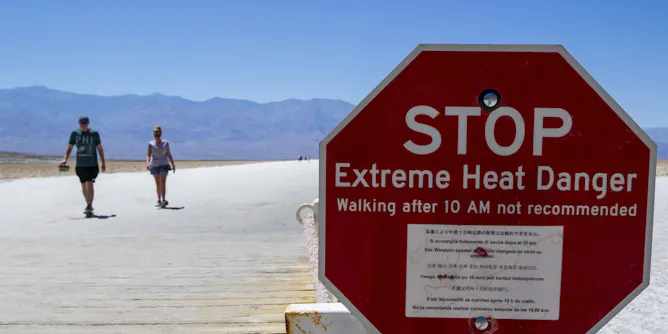
With tourists flocking in droves to ‘experience’ heat waves, perhaps it’s time for everyone to take a good hard look at their individual contribution to global warming.
Articles on Carbon capture and storage
Displaying 21 - 40 of 145 articles
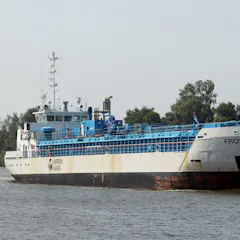
Australia wants to allow export of CO₂ for the purpose of “sequestration”, or storage under the sea. Fossil fuel companies, or research organisations, would need to first apply for an export permit.
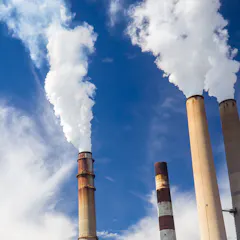
Fossil fuel power plants can avoid most emissions by capturing carbon dioxide and pumping it underground. But to be a climate solution, that carbon has to stay stored for thousands of years.
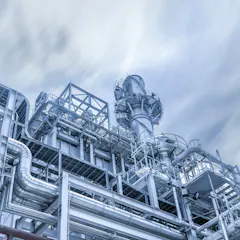
Carbon capture and storage could keep fossil fuel power plants running under newly proposed federal emissions standards, but it faces high hurdles.
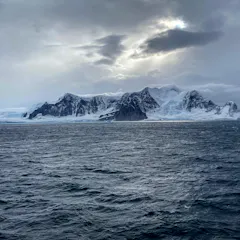
Working with underwater robots, scientists show how deep sea mountains and fast currents between Antarctica and South America play a crucial role in stabilizing the climate.
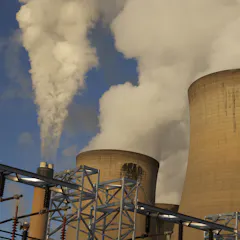
CCS remains a ‘handy excuse’ for extracting more fossil fuels, our review indicates.
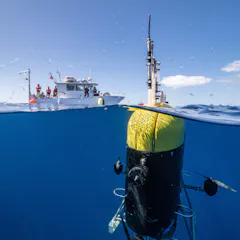
The ocean twilight zone could store vast amounts of carbon captured from the atmosphere, but first we need a 4D monitoring system to ensure ramping up carbon storage does no harm.
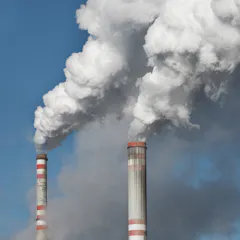
The UK is focusing on carbon capture and storage technologies but the future is uncertain.
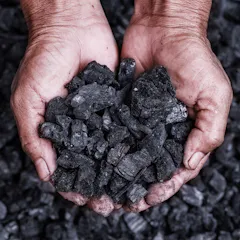
Here’s what I’ve learned from researching the history of UK climate policy.
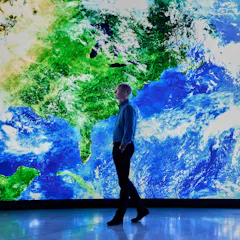
The environmental awards gave cash to climate scientists, conservationists and inventors.

From planting mangroves to dumping minerals in the ocean, there are lots of ideas for ocean carbon dioxide removal – and even more questions.

The Danish capital reneged on its net zero target after an incinerator failed to secure state aid.
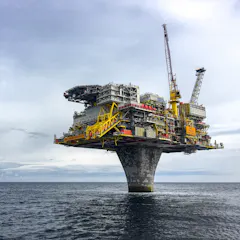
Opening up new fossil fuel exploration will damage our longer-term security and undermine our climate imperatives. It is dangerous for the planet.
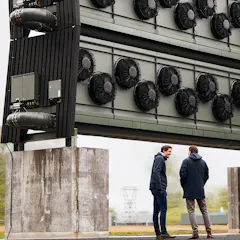
One estimate suggests at least a sixth of all emissions cuts expected from the Inflation Reduction Act would come from carbon capture.
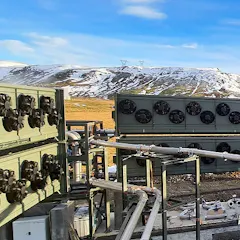
A climate scientist looks at what works and some popular ideas that aren’t as cheap or effective as people hope.

The road map for a more sustainable future starts with clean energy and fossil-fuel-free transportation.
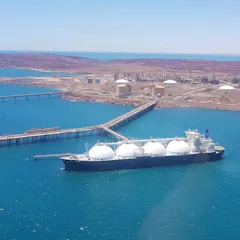
We calculate that this project will add about 41 megatonnes per year to Australia’s national emissions from around 2030.
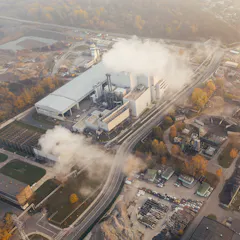
Research shows large-scale reliance on carbon capture risks postponing climate action too far into the future.
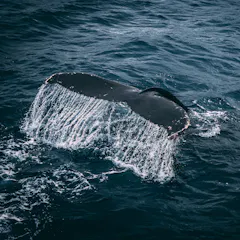
Using our oceans as carbon sinks could help achieve climate goals set in the most recent IPCC report.
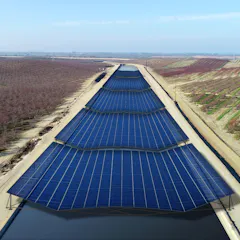
From pulling carbon dioxide out of the air to turning water into fuel, innovators are developing new technologies and pairing existing ones to help slow global warming.
Top contributors
-

Head of Atmospheric, Oceanic and Planetary Physics, University of Oxford
-
Former Visiting Fellow, SPRU, University of Sussex Business School, University of Sussex, University of Staffordshire
-
Associate Principal (Global Sustainability) and Director Research Centre for Carbon Solutions (RCCS), Heriot-Watt University
-
Professor, Crawford School of Public Policy and Director, Centre for Climate and Energy Policy, Australian National University
-
Professor, School of Economics, The University of Queensland
-
Assistant Director of the Global Systems Institute, University of Exeter
-
Chief Research Scientist, CSIRO Environment; Executive Director, Global Carbon Project, CSIRO
-
Professor of Environmental Economics, University of Oxford
-
CEO, Cooperative Research Centre for Greenhouse Gas Technologies
-
Lamont Research Professor, Columbia University
-
Honorary Associate Professor, UNSW
-
Senior Research Engineer, Massachusetts Institute of Technology (MIT)
-
Chair of ARC Centre of Excellence for Quantum Biotechnology, The University of Queensland
-
Deputy Director, Centre for Advanced Nanomaterials; Associate Professor; ARC Future Fellow, Adelaide University
-
Honorary Senior Lecturer in Chemical Engineering, University of Aberdeen