
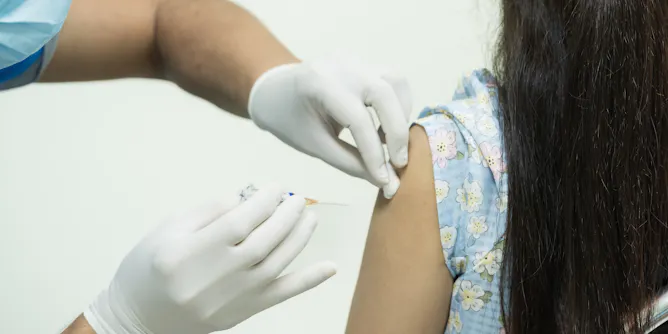
No vaccinated young woman in England has died of cervical cancer in years. Japan’s vaccine scare shows how easily that progress can unravel.
Articles on Cancer prevention
Displaying all articles
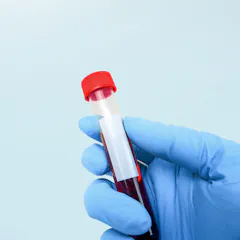
Multi-cancer blood tests promise early detection, but the evidence is thin, the risks real, and they’re no substitute for listening to your body.

Bowel cancer is uncommon in those aged under 50, but rates are rising. Here’s how you can reduce your risk.

The wrestling legend had numerous health issues before his death at 71.

Omega-3 fatty acids, abundant in oily fish like sardines and mackerel, offer considerable promise in cancer prevention. Other classes of marine lipids hold potential for therapeutic innovation.

From boosting energy to reducing the risk of developing chronic diseases, a few cups of coffee every day could be beneficial for your health.

Early detection is crucial in the fight against breast cancer. Yet the Canadian Task Force on Preventive Health Care’s new guidelines do not endorse breast cancer screening for women in their 40s.

A 30-minute workout five times a week may be all you need.

Despite the popular belief that vitamin E and beta carotene supplements help prevent heart disease and cancer, the latest research suggests they do not – but the supplements do have potential risks.

While COVID has become less deadly, it has disproportionately claimed the lives of older and poorer Australians. Others have missed out on necessary preventative care during the pandemic.

Greater focus on preventing cancer including a more personalised screening programme could make a real difference, one expert argues.

Only 6,000 women used self-collection in cervical screening between 2017 and 2019, out of about one million women eligible. We need to boost those numbers if we’re ever to eliminate cervical cancer.

Awareness-raising alone is an ineffective solution to the breast cancer epidemic. We need more action on primary prevention to limit exposures to known and suspected breast carcinogens.
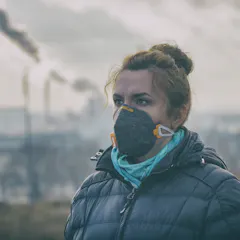
Most cases of breast cancer are related to environmental causes. When we talk about climate change, we must not forget this part of the story.

A new study shows that anal cancer, caused by the virus HPV, can be successfully fought in HIV-positive men by timely treatment and HPV vaccination of lesions that may ultimately lead to cancer.
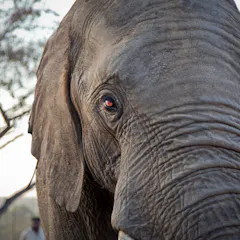
Elephants naturally avoid cancer after 55 million years of evolution. Scientists are studying if they can extract lessons that could help people.
Top contributors
-

Professor of Biomedical Sciences, Anglia Ruskin University
-
Ph.D., Sociology/Social Justice, University of Windsor
-
Professor, The University of Texas MD Anderson Cancer Center
-
Assistant Professor, University of Florida
-
Professor of Pediatrics, University of Utah
-
Assistant Professor, Harvard University
-
Research Associate in Exercise Oncology & Cancer Rehabilitation Specialist, University of Hull
-
Honorary Enterprise Professor, School of Population and Global Health, and Department of General Practice and Primary Care, The University of Melbourne
-
Associate Professor and Family Doctor, GP Oncologist, L’Université d’Ottawa/University of Ottawa
-
Professor, Faculty of Medicine, L’Université d’Ottawa/University of Ottawa
-
Lecturer, Faculty of Medicine, L’Université d’Ottawa/University of Ottawa
-
Research Assistant in Evaluation and Implementation Science, Centre for Health Policy, Melbourne School of Population and Global Health, The University of Melbourne
-
Visiting Professor of Cancer Surgery, Anglia Ruskin University
-
Clinical Dietitian, University of Virginia
-
Pediatrics - Visiting Instructor, University of Utah