

If you are at higher risk of breast cancer, screening looks set to change. Here’s what we know so far.
Articles on Cancer genetics
Displaying all articles

Doctors examine a tumor in several different ways to determine whether a cancer is aggressive – and what kinds of treatments, if any, might work best.

That depends on a number of factors, including the cancer you had initially, as well as your genes, environment and lifestyle.

Functional precision medicine works to take the guesswork out of deciding which drug to try next for patients with cancers that don’t respond to standard treatments.

Children typically haven’t accumulated enough cellular damage to develop cancer. Because their bodies are still developing, pediatric cancers differ from adult cancers in key ways.

While lung cancer rates have decreased by 43% in men, they have risen by 79% in women. New screening guidelines and recognizing early symptoms can help address the changing face of lung cancer.
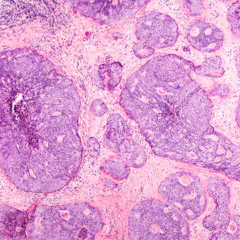
A landmark analysis of the genetic sequences of hundreds of different cancers offers crucial insights into the origins and growth of the disease’s myriad forms.
Top contributors
-

Assistant Professor of Environmental Health Sciences, Florida International University
-
Chair Precision Medicine, Monash University
-
Associate Director of Community Outreach in Thoracic Oncology, University of Miami
-
Senior Research Officer, Blood Cells and Blood Cancer Division, WEHI (Walter and Eliza Hall Institute of Medical Research)
-
Ph.D. Candidate in Integrated Mathematical Oncology, University of South Florida
-
Senior Lecturer in Cancer Epidemiology, Adelaide University
-
Assistant Professor of Urology, Residency Program Director, University of Florida
-
Principal Research Fellow, School of Population and Global Health, The University of Western Australia