
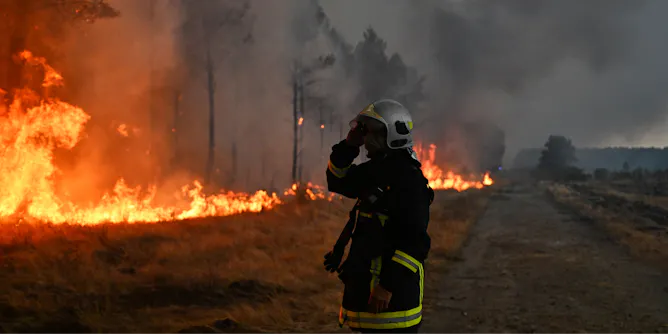
Wildfire smoke does not carry a passport. Canada cannot thin, log, rake or prescribe-burn its way out of a planetary crisis.
Articles on Canadian wildfires
Displaying all articles
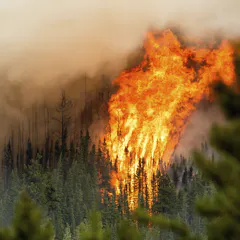
Wildfires disproportionately impact Indigenous communities. Over the last four decades, 42 per cent of wildfire evacuations across Canada have been of Indigenous communities.
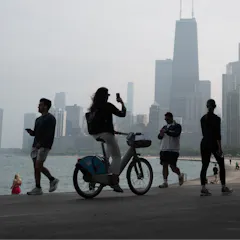
As wildfire smoke becomes a frequent summer hazard across large parts of the US, knowing the risk at the neighborhood scale matters for human health.

Reducing risk and managing beneficial fires require co-ordinated action from governments, communities and individuals.
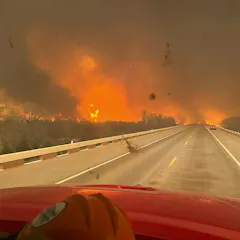
An analysis of 88 million wildfire observations over the past 21 years shows a strong increase in the frequency and intensity of the most extreme fires around the world.
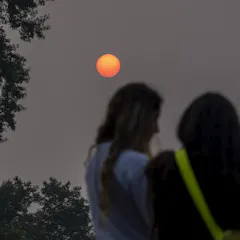
States could be in for another summer of unhealthy wildfire smoke as ‘zombie fires’ resurface in western Canada and more blazes break out in the dry conditions.
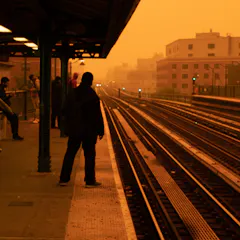
Thick smoke pouring in from Canada’s wildfires canceled baseball games and pushed air quality in major US cities to the worst in the world.
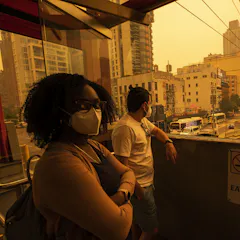
Air quality forecasting is getting better, thanks in part to AI. That’s good, given the health impact of air pollution. An environmental engineer explains how systems warn of incoming smog or smoke.
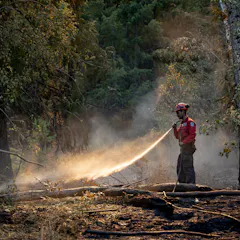
Effective collaboration may be a key to minimizing impacts of the growing wildfire season in Canada.
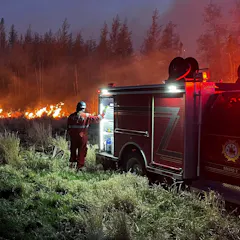
The populist right has made hay with social tensions climate change is likely to exacerbate.

Creating a federal agency — let’s call it the Emergency Management Agency of Canada or EMAC — would support comprehensive emergency management as Canada faces more and more natural disasters.
Top contributors
-

Professor of Chemical and Biochemical Engineering, University of Iowa
-
Professor of Chemical and Biochemical Engineering, University of Iowa
-
University of Iowa Distinguished Chair, Professor of Environmental Health, University of Iowa
-
Associate Professor and Canada Research Chair in Human Dimensions of Water Resources and Water Resilience, Brock University
-
Chancellor's Professor in Engineering, Climate Change and Civil and Environmental Engineering, University of Tennessee
-
Research fellow, Faculty of Engineering, Queensland University of Technology
-
Research Fellow in Environmental Science, University of Tasmania
-
Professor of Political Science, Research Coordinator in Centre of Natural Hazards and Disaster Science, Uppsala University
-
Professor of Pyrogeography and Fire Science, University of Tasmania
-
Research Fellow in Pyrogeography, University of Tasmania
-
Director, School of Urban and Regional Planning, University of Alberta
-
Professor, School of Earth and Ocean Sciences, University of Victoria
-
POLIS Wildfire Resilience Project Manager, University of Victoria
-
Co-Director; Associate Director of Strategic Partnerships and Public Policy of the POLIS Project; Centre for Global Studies, University of Victoria
-
Senior Wildfire and Land Use Analyst, Centre for Global Studies, University of Victoria