
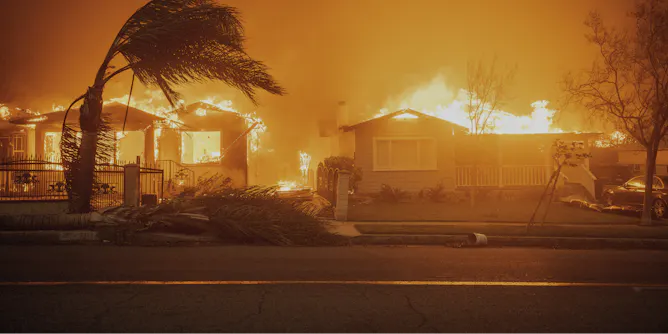
We knew this would happen eventually. We have moved from possible futures to these things now happening. The deferment has ended.
Articles on bushfire risk
Displaying all articles

Get set for a hotter and wetter summer this season in Australia. The long-range forecast from the Bureau of Meteorology today points to above average rainfall, especially in December, and warmth.
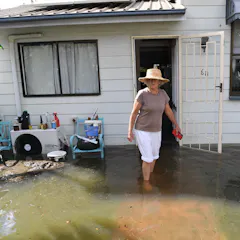
Low-income households are attracted to more affordable housing in areas at higher risk of floods and other extreme events. But many then find they cannot afford soaring insurance premiums.

Contrary to popular belief, new research shows the abrupt, often gale force wind changes known as “southerly busters” are becoming more frequent, but less severe, as the climate changes.
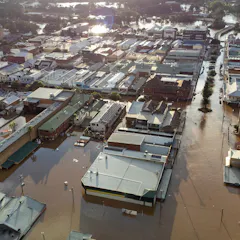
Climate change is making some parts of Australia unliveable or uninsurable. We need a national conversation about the planned relocation. A proposed National Relocation Authority can lead the way.

There’s a strong case to be made for private landholders to conduct their own cool burns, for dual purposes of reducing fuel load and restoring the ecology.
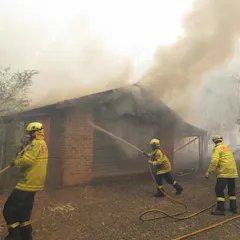
Buildings can be engineered to resist bushfires, but we can’t engineer the many aspects of human behaviour and decision-making that will still put lives at risk.
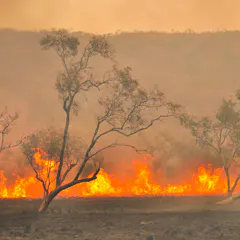
Many people are asking if Australian authorities are ready for the fire season. The real question to ask is – are we ready as individuals?
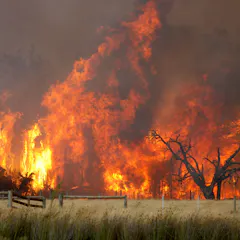
Fire frequency is increasing in all ecosystems studied. But in some places, fires were occurring so often it put entire ecosystems at risk of collapse.

Two decades of satellite data have allowed us to map fires across the country and identify areas facing high fire risks. Fire activity has increased in several major regions over the past decade.
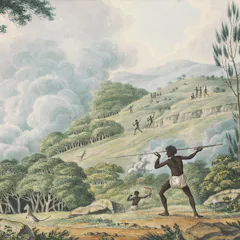
Researchers focused on a site in the Illawarra region of NSW, which holds a unique record into the past.
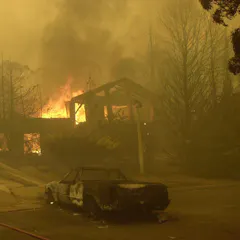
The Canberra fires showed even urban communities can be in danger if close enough to the bush.
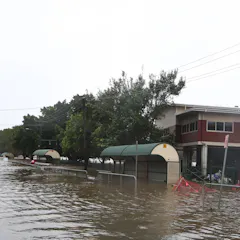
COP27 wraps up with Solutions Day, focusing on sustainable cities and transport, green buildings and resilient infrastructure. Climate-related disasters show the urgency of urban planning responses.
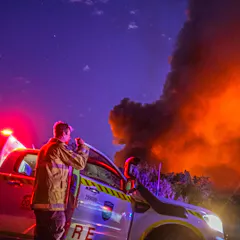
Australia’s forests have controlled their own own flammability since Gondwana. We must respect this natural process.
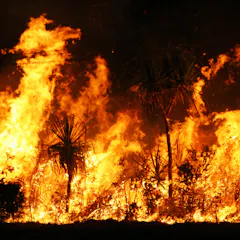
Studies show some animals can recognise the threat of fire, and behave in a way that increase their chance of survival. But what about wildlife who have evolved in areas where fire was once rare?
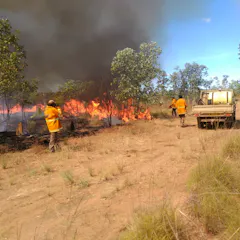
By collaborating with Indigenous ranger groups, we can make strategic fire and land management practices economically sustainable for traditional landowners.
Top contributors
-

Distinguished Professor of Ecology, Fenner School of Environment and Society, Australian National University
-
Research Associate, University of New South Wales, and Adjunct Associate Professor, Curtin University
-
Emeritus professor, The University of Western Australia
-
Professor, School of Mathematical And Physical Sciences, University of Technology Sydney
-
Professor of Urban Planning, Faculty of Architecture, Building and Planning, The University of Melbourne
-
Research Fellow, Fenner School of Environment and Society, Australian National University
-
Fire Coordinator for the Tiwi Islands, Indigenous Knowledge
-
Natural Hazards Research Australia
-
Senior Ecological Economist, Charles Darwin University
-
Associate professor, UNSW
-
Course Director, Centre for Social Impact, Swinburne University of Technology, Swinburne University of Technology
-
Bachelor of Design (Honours) Convenor and Lecturer, School of Art and Design, Australian National University
-
CEO, Natural Hazards Research Australia, Adjunct Fellow, Macquarie University
-
Postdoctoral Research Fellow in behavioural ecology and evolution, Macquarie University
-
Partner Investigator, ARC Centre of Excellence for Indigenous and Environmental Histories and Futures, James Cook University