
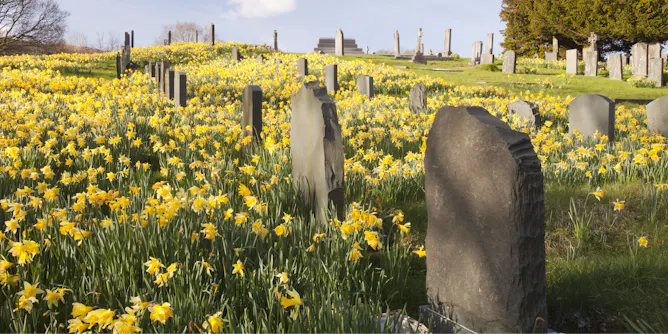
A new study suggests that the decades-long march toward cremation may not last forever – particularly if Gen Z’s preferences pan out.
Articles on Burial
Displaying 1 - 20 of 41 articles
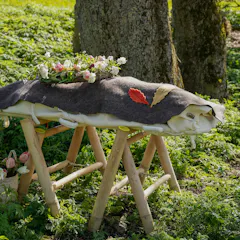
Burial and cremation come with some pretty major environmental problems. Both involve huge amounts of energy, resources and pollution.
The respectful return in death, like the festive Christmas return of migrants, reinforces ties between generations.
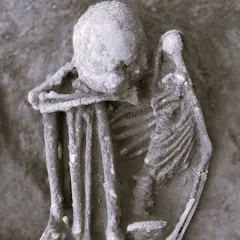
New research shows a tradition of smoke-drying human remains persisted for thousands of years across southern Asia and beyond – even into the modern day.
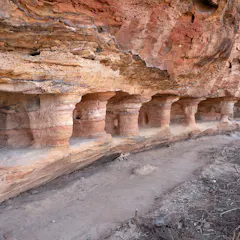
Archaeologists think the rock-cut architecture at Teniky in Madagascar may have been made by a community with Zoroastrian origins.

There is growing interest in sustainable death care options like human composting as an alternative to energy-intensive cremation and chemical-dependent and land-intensive burial.
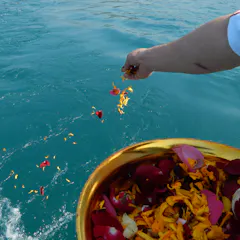
Next-of-kin often feel pressured to make hasty funeral arrangements. Most contact a funeral director and tee up a conventional service plus burial or cremation. But what are the other options?
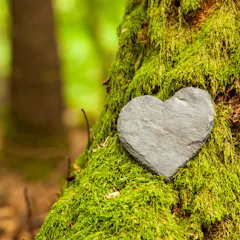
Also known as alkaline hydrolysis or aquamation, the process is much better for the environment than burial or cremation.
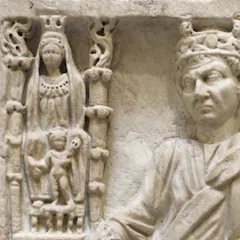
In ancient Rome, male followers of the goddess Cybele, known as Galli, some of whom surgically removed their testicles, were often considered feminine.
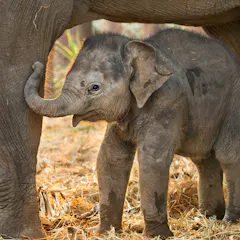
Recent reports of burials of elephant calves are intriguing but it’s impossible to confirm that this was intentional.

Novelist Mary Shelley kept the heart of her deceased husband, the poet Percy Shelley, in her desk drawer.
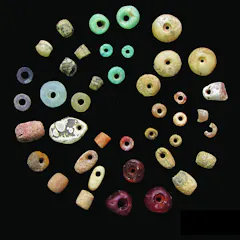
Mineralogical analysis of 5,000-year-old stone beads from Turkana, Kenya suggest a novel mortuary tradition by early pastoralists.

For some people, the decision over how to dispose of their body represents one last adventure – and one last consumer choice, a scholar explains.
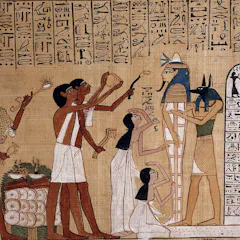
There is often a distinct fragrance of pine or cedar, with some spiciness from cloves, cumin, myrrh, and warm notes from plants, flowers and trees.
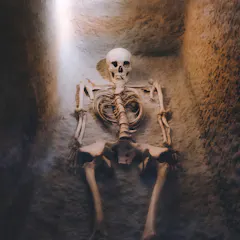
Burial land is running low in certain parts of the world. It’s about time we started to consider the environmental cost of our final resting place.
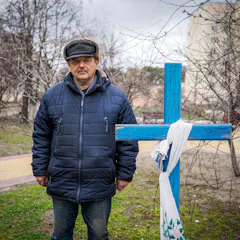
Ukrainian families’ anguish at not being able to bury their loved ones underscores a deep human need, an anthropologist writes.
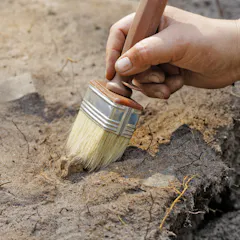
The objects buried with people provide important clues about their lives.
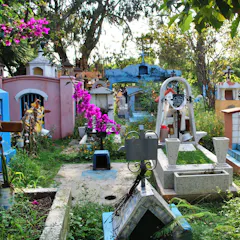
Death is a part of life: but environmentally harmful burial practices, overcrowded cemeteries and unaffordable funerals are denying many the right to a good death.
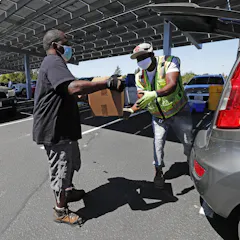
This is a transcript of episode 16 of The Conversation Weekly podcast The racial hunger gap in American cities and what do about it. In this episode, we look at some of the reasons behind racial disparities…
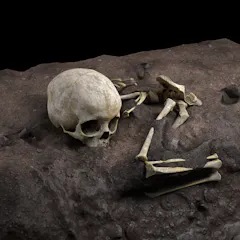
Burials seem to have been uncommon in Africa some 80,000 years ago, although they were widespread in Eurasia.
Top contributors
-

Associate Professor, Queen's University Belfast
-
Honorary Professor of Accounting, University of Wollongong
-
Professor of Accounting, University of Sydney
-
Researcher, UNSW
-
Professor in English, University of Exeter
-
Research Fellow in Ancient History, Macquarie University
-
Professor of Archaeology, Flinders University
-
Honorary Research Associate, Evolutionary Studies Institute, University of the Witwatersrand
-
Professor, School of Humanities, Languages and Social Science, Griffith University
-
Associate Professor in Archaeology and Space Studies, Flinders University
-
Associate Professor, School of Built Environment, UNSW
-
Professor Emeritus of Death Studies, University of Bath
-
Associate Professor, Department of Archaeology, University of Reading
-
Senior Lecturer in Archaeology, University of Hull
-
Lecturer in Social Welfare Law, Policy and Advice Practice, University of Staffordshire