
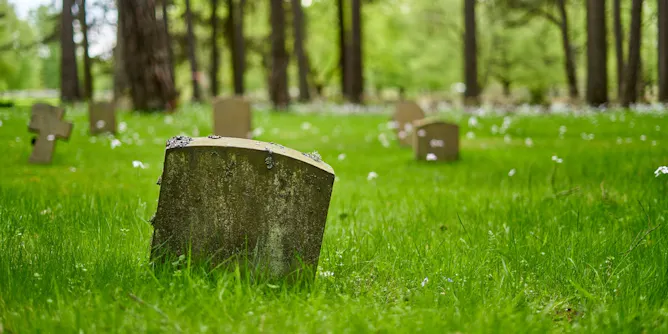
Burial grounds are filling up but are new methods any more green than traditional options?
Articles on Cremation
Displaying 1 - 20 of 22 articles

A new study suggests that the decades-long march toward cremation may not last forever – particularly if Gen Z’s preferences pan out.
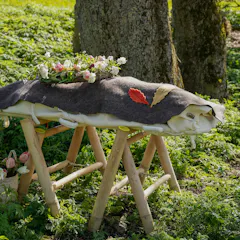
Burial and cremation come with some pretty major environmental problems. Both involve huge amounts of energy, resources and pollution.
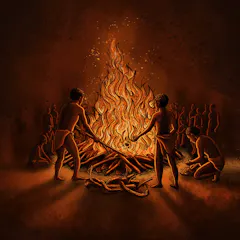
An ancient cremation would have been a community spectacle in a place returned to and reignited over many generations. What was behind this unexpected funeral ritual?
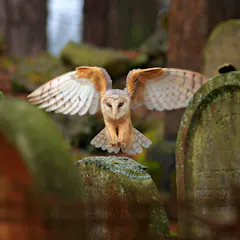
it’s only by considering human beings as part of nature that the growing burial crisis might be averted.

There is growing interest in sustainable death care options like human composting as an alternative to energy-intensive cremation and chemical-dependent and land-intensive burial.
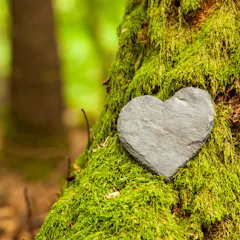
Also known as alkaline hydrolysis or aquamation, the process is much better for the environment than burial or cremation.

As late as 1970, only about 5% of Americans chose to be cremated. In 2020, more than 56% Americans opted for it.
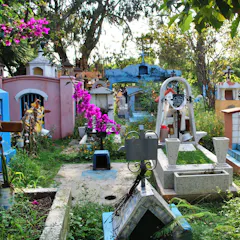
Death is a part of life: but environmentally harmful burial practices, overcrowded cemeteries and unaffordable funerals are denying many the right to a good death.
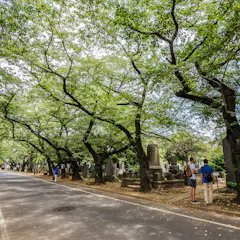
In a Japanese tree burial, cremated remains are placed in the ground and a tree is planted over the ashes to mark the gravesite. Environmental responsibility is part of Buddhism.
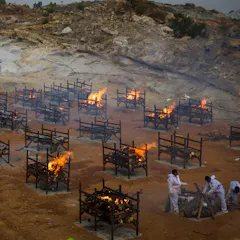
As cremation grounds struggle to keep up with the long line of people dying from COVID-19, age-old customs are being pushed aside.
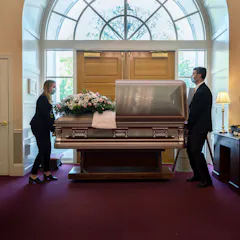
A funeral director explains how the bodies of the deceased are prepared for burial or cremation in the United States.
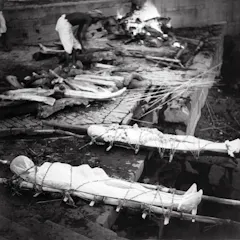
When the 1918 influenza pandemic struck India, the death toll was highest among the poor.
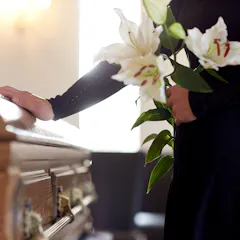
Funerals, as we know them, will regrettably but necessarily be another of our social rituals that must radically alter in the short-term.
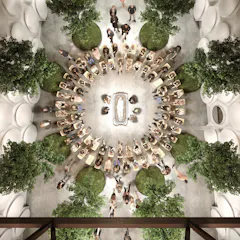
Composting burial could revolutionise bodily disposal in Australia. The need for a sustainable and affordable alternative to traditional burial practices is becoming increasingly urgent.

Migrant communities believed having a physical resting place gave them a sense of settlement in Australia.
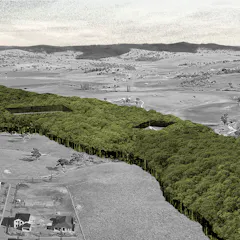
With space in our cemeteries running out, we could bury the dead in new forest developments that would bring green space to our urban areas.

Guess how much the average funeral now costs. Hint: it’s more than most people pay for a second hand car.
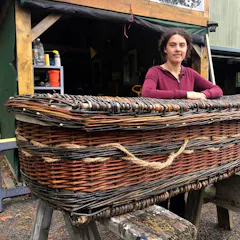
Although ‘Game of Thrones’ -style funeral pyres are still out of bounds, Americans are increasingly turning to cheaper, greener and more meaningful ways to dispose of their loved ones’ bodies.
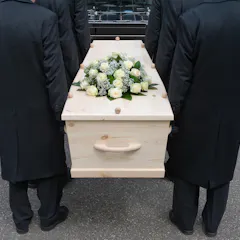
A failure to innovate could mean the death of the traditional industry.
Top contributors
-

Assistant Professor in Philosophy and Religious Studies, Texas State University
-
Professor of Law, Wake Forest University
-
Honorary Senior Research Fellow, The University of Melbourne
-
Professor Emeritus of Death Studies, University of Bath
-
Assistant Professor - Teaching Track, Faculty of Economics, University of Waterloo
-
Professor of Sociology, Monash University
-
Senior Research Fellow, University of York
-
Senior Lecturer in Media & Communications Studies, The University of Melbourne
-
Program Director and Assistant Professor of Mortuary Science, Wayne State University
-
Professor Emerita of Ethnology in the Department of Arts and Cultural Sciences, Lund University
-
Curator of Human Evolution of the Cleveland Museum of Natural History and Research Assistant Professor of Anthropology, Stony Brook University (The State University of New York)
-
Assistant Professor of Anthropology, Yale University
-
Associate Professor of Anthropology, University of Oklahoma
-
Professor of Wildlife Conservation, University of Salford
-
Professor and Chair of Urban Planning and Spatial Analysis, University of Southern California