
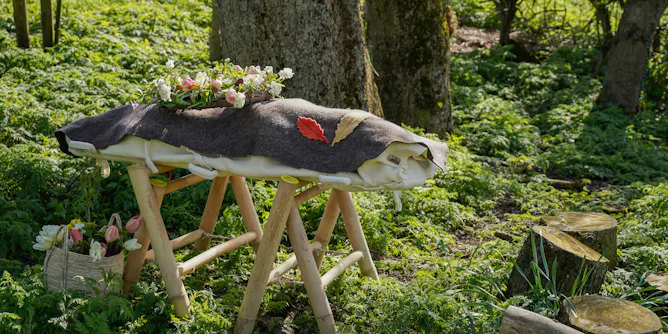
Burial and cremation come with some pretty major environmental problems. Both involve huge amounts of energy, resources and pollution.
Articles on Death rituals
Displaying all articles
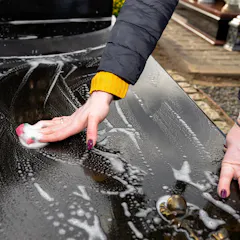
The trend is proof that not everything should be turned into content.

There is growing interest in sustainable death care options like human composting as an alternative to energy-intensive cremation and chemical-dependent and land-intensive burial.
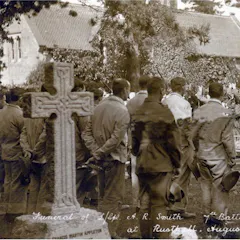
With so many people grieving, the notion of doing so in public was seen as tasteless and vulgar. Funerals became smaller, people put on a brave face in public and fewer people wore black.
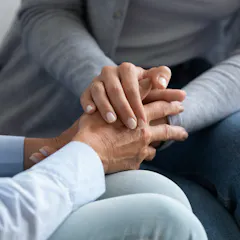
Most workplace bereavement policies were designed prior to MAID and very few employers have adjusted these policies in light of the new reality of living and dying in Canada.
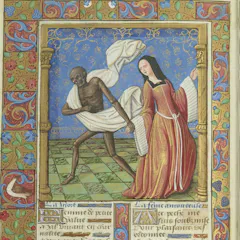
European women’s rights expanded in early medieval cities, though they were still limited. Last wills and testaments were some of the few documents women could dictate themselves.

For some people, the decision over how to dispose of their body represents one last adventure – and one last consumer choice, a scholar explains.
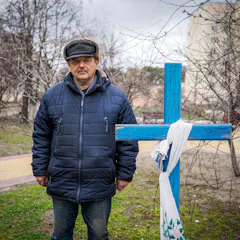
Ukrainian families’ anguish at not being able to bury their loved ones underscores a deep human need, an anthropologist writes.
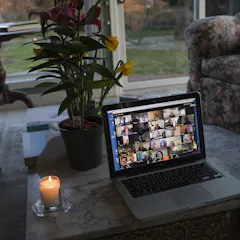
A scholar conducted over 70 hours of interviews with people involved in the medical and funerary professions to understand the impact of changes in death rituals during the pandemic.

The afterlife envisioned by spiritualism appealed to women who rejected the idea that their unbaptized children could be damned to hell.
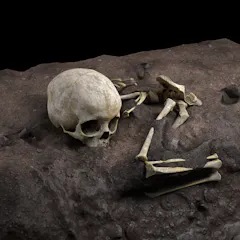
Burials seem to have been uncommon in Africa some 80,000 years ago, although they were widespread in Eurasia.
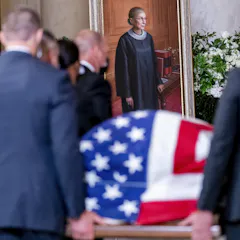
The former justice received a Jewish funeral at the Supreme Court. But in other ways, Ginsburg’s burial is breaking with traditional Jewish death rituals.
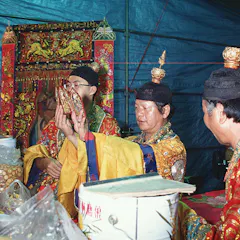
Taiwan’s death rituals come from multiple spiritual sources. A Taiwanese-American scholar explains what changes for those who make their home in the US.

Religious scholars and faith leaders reflect on the death rites cultures have developed to honor the deceased, comfort the living and share the burden of mourning.
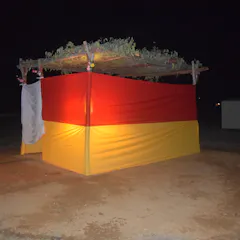
In remote Northern Territory, most Aboriginal people have been buried in unmarked graves. Archaelogists are carrying out painstaking detective work to help communities find their loved ones’ remains.
Top contributors
-

Research Associate in Archaeology, Flinders University
-
Professor of Archaeology, College of Humanities, Arts and Social Sciences, Flinders University
-
Adjunct Lecturer, Archaeology, Flinders University
-
Archaeology student, Flinders University
-
Professor of Gender and Sexuality Studies, USC Dornsife College of Letters, Arts and Sciences
-
Assistant Professor in Philosophy and Religious Studies, Texas State University
-
University Professor and Joseph H. & Belle R. Braun Professor of American Jewish History, Brandeis University
-
Professor Emerita of Medieval History, University of Rhode Island
-
Associate Professor, Organizational Studies and Sustainable Commerce and Director, Institute for Sustainable Commerce, University of Guelph
-
Associate Professor of Bible and Director of the Center for Social Justice and Reconciliation, Union Presbyterian Seminary
-
Associate Professor of Anthropology and Psychological Sciences, University of Connecticut
-
Lecturer, the Rabbinical School, Jewish Theological Seminary
-
Associate Professor, Boise State University
-
Professor of Biblical Studies, Santa Clara University
-
Senior Lecturer, School of Humanities and Social Inquiry, University of Wollongong