

Being an ethical brand can be a complex and often slow process. But with authenticity and the right leadership it can work.
Articles on Brands
Displaying 41 - 60 of 85 articles

We reviewed research into gender stereotypes and biases in early childhood, and found gender as a social category develops early in life, and insight into some gender stereotypes begins early.
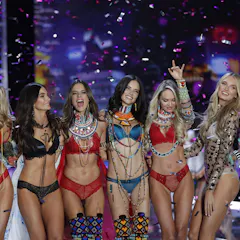
Victoria’s Secret learned a lesson other leading fashion brands and the industry at large are coming to realize: diversity sells. But when it comes to disability, brands aren’t quite there yet.

Throughout the pandemic we can see that place brands have evolved and those likely to survive are the ones that were already well established to begin with or ones that are more flexible.

In Australia, a preference for a particular brand of COVID vaccine is likely to change, depending on the latest health advice, and media reports.

While many companies promote social causes, advocates are skeptical of how genuine their commitment is.

Small and medium-sized businesses play an important role in economic growth and development but are hamstrung by their lack of adequate resources to market their goods and services.

It takes a lot for brands to back away from commercialisation opportunities. Cricket Australia’s backing away from Australia Day is significant.
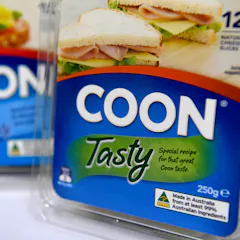
Nestle’s experience explains why the Coon deliberations are taking so long.
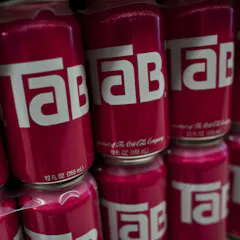
Tab was Coca-Cola’s first foray into the diet soda market. Though the brand went on to build and maintain a legion of devoted fans, its days are numbered.

Brands taking a stand on social issues is no longer remarkable — but that only makes it harder to be authentic.

When you ask Americans what the word ‘science’ brings to mind, a majority respond ‘hope.’ Using this built-in brand can help communicate important science messages.

Advertising responds to the market – so how are brands responding to a global pandemic?

Brand loyalty is a two-way street.
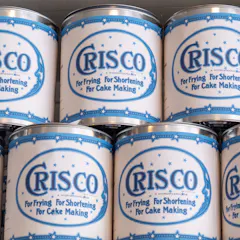
Crisco’s main ingredient, cottonseed oil, had a bad rap. So marketers decided to focus on the ‘purity’ of factory food processing – a successful strategy that other brands would mimic.

Today, companies often take stances on social issues. A professor of brand responsibility compares ally brands with advocates.
Companies have an opportunity to reframe brand communications from the promotion of conspicuous consumption to becoming a regenerative force in urban economies.
With more and more brands claiming to be “luxury”, historical players have begun to rethink their use of the term.

Has the relationship between the Trump brand and the US president’s politics gone too far?
The female characters appear to reinforce traditional gender roles.
Top contributors
-

Senior Lecturer of Marketing, RMIT University
-
Senior Lecturer (Assistant Professor) of Marketing, Auckland University of Technology
-
Professor of Journalism and Communication and Director of the Master's Program in Brand Responsibility, University of Oregon
-
Professor of Marketing and Consumer Behaviour, Queensland University of Technology
-
Associate Professor of Quantitative Marketing and Analytics, Binghamton University, State University of New York; Indiana University
-
Associate Professor in Marketing, University of Canterbury
-
Emeritus Professor, Brunel University of London
-
Assistant Professor in Organization Theory, Aalto University
-
Doctoral Candidate, School of Business, Royal Roads University
-
Emeritus Professor of Apiculture, University of Sussex
-
Professor of Communication, The Ohio State University
-
Vartan Gregorian Post-doctoral Fellow in Science Communication, University of Pennsylvania
-
Professor of Marketing, University of Southampton
-
Professor of Health Service Operations, School of Pharmacy & Medical Sciences, University of Bradford
-
Associate professor, UCL