
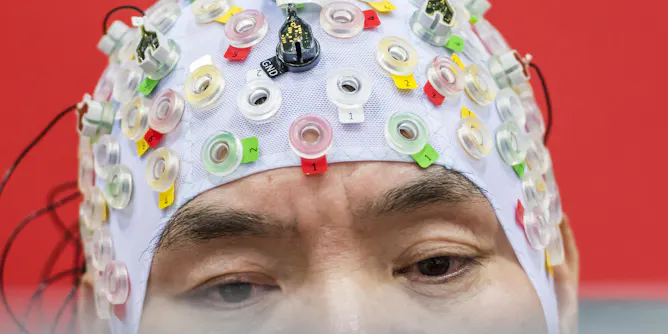
Paralysed people are already using brain-computer interfaces to turn their thoughts into text. But there are risks to this technology.
Articles on Brain function
Displaying 1 - 20 of 33 articles

Most people experience earworms at least weekly, especially if you listen to a lot of music.

Intermittent fasting can have health benefits, but does being hungry affect our cognitive abilities? Here’s what all the evidence tells us.

Although we aren’t consciously aware of our ‘automatic memory,’ it influences almost all of our thoughts, behaviour and feelings.
Regardless, there’s no doubt that sleep is important for the brain.
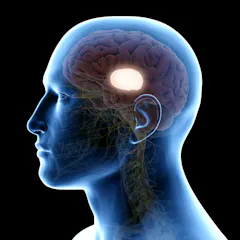
Long-term symptoms of concussion can include trouble concentrating and emotional distress.

We live in a world where we frequently do not get enough sleep, but we need sleep if our brains are going to stay healthy and function efficiently.

Spontaneous trips down memory lane: why and how the mind wanders.

Diets high in fat, sugar and processed foods are associated with higher calorie intake, poorer memory and lower cognitive function.

The latest findings add to the understanding of how social disadvantage such as poverty and low-quality, unsafe housing can affect early child development.
Long overlooked by scientists, white matter may provide clues to some of the brain’s greatest mysteries.
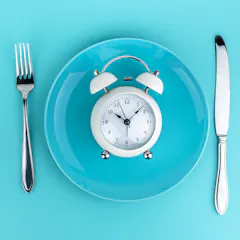
Healthy eating is not just what you eat, but when you eat. Eating rhythms that are in sync with the circadian clock can benefit general well-being and may have a protective effect against mental illness.

For many years, concussion treatment followed a rest-is-best approach. But research now suggests that low-to-moderate intensity exercise is a safe and useful approach to managing concussion symptoms.

Research shows short bouts of physical activity can boost your concentration for up to one hour.

Exercise plays an important part in preserving memory throughout our lifetime.
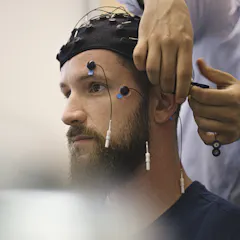
COVID-19 is not just a respiratory disease. Its neurocognitive symptoms are not well defined yet, so assessment is key to understanding the effects of coronavirus on the brain.
We fall sway to fake news because it grabs our attention through outlandish claims, suggests false memories and contains appeals to our emotions that align with our politics.

Simple policies, such as the free bus pass for older adults, not only reduce loneliness but also help older people maintain cognitive function.

Your memory may be unreliable – but that can be an advantage.

Researchers are looking for ways to determine who’s most at risk for dementia and also ways to detect it early. A scientist who has studied low blood pressure makes a case for a link between the two.
Top contributors
-

Associate Professor, Turner Institute for Brain and Mental Health, Monash University
-
Senior Lecturer in Psychology, Bath Spa University
-
Professor of Psychology, University of Dhaka
-
Lecturer/Research Fellow in Psychology, Flinders University
-
Associate professor, University of Sydney
-
Professor of Biomedical Engineering and Psychiatry, The University of Melbourne
-
Associate Professor of Companion Animal Medicine, James Cook University
-
Visiting Fellow, Edith Cowan University
-
Research Fellow, Harvard Medical School, Research Fellow, Florey Institute of Neuroscience and Mental Health
-
Senior Lecturer in Veterinary Behaviour, Welfare & Ethics, James Cook University
-
Associate Professor of Psychology, Nottingham Trent University
-
Lecurer, Department of Psychology, University of Cape Town
-
Lecturer in Cognitive Neuroscience & Ageing, Swansea University
-
Postdoctoral Research Fellow, Indiana University
-
Professor of Cognition & Technology at the University of Bath; Research Scientist at Meta Reality Labs Research, University of Bath