
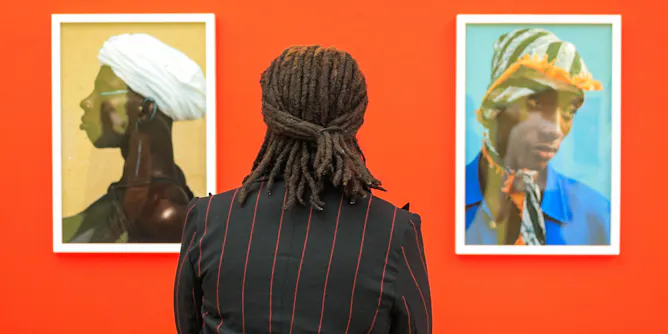
In her new book, Akinkugbe explores the way art history is taught, and the exclusion of blackness from mainstream art spaces.
Articles on Books
Displaying 181 - 200 of 1167 articles
Winn may have broken the ‘autobiographical pact’ – a ‘contract’ of truth between the author and the reader.

Books on the mushroom trial are being raced to print. Big-name authors were seen in the courtroom. But the best true-crime books can be less about speed than insight.
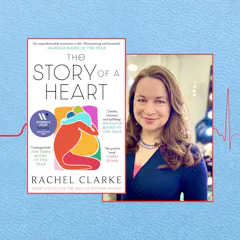
Clarke writes with rare emotional precision, guiding us through unbearable pain and extraordinary hope with the gentlest hand.
Abschied was written just before the Nazi takeover. It reads in the breathless, immediate manner it was conceived.
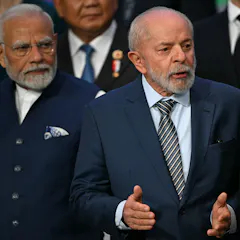
Five years after first putting forward the notion of ‘active nonalignment,’ former Chilean ambassador Jorge Heine returns to the subject.
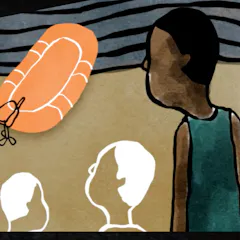
Refugee comics disrupt a media landscape that tends to reduce migrants to either threats or victims.

In this time of profound global refugee crisis, the Moomins feel like appropriate – if unexpected – heroes for the modern age.
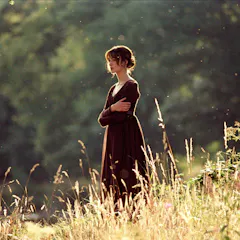
For Austen’s heroines, independence often begins on foot.
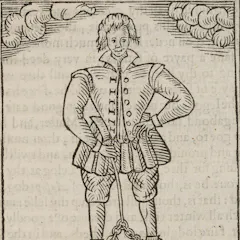
Perhaps he intended to denigrate Shakespeare as a jack-of-all-trades player-turned-playwright who should have stuck to acting.
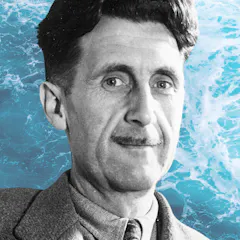
Nineteen Eighty-Four filled with references to sinking ships, drowning people and the dread of oceanic engulfment
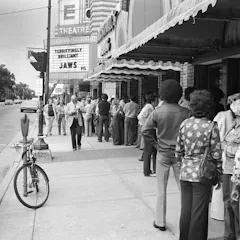
With blockbuster films costing hundreds of millions of dollars, the way two musical notes manipulate tension in ‘Jaws’ serves as a reminder that less can be more.
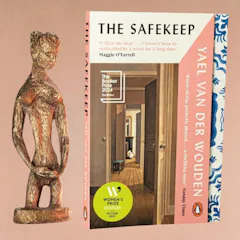
Something about the house is not quite right – it’s hiding deep and dark secrets.
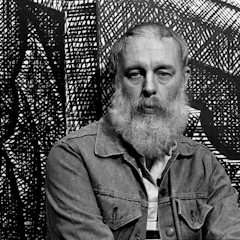
‘Queer’ is a word often used to describe Edward Gorey’s mysterious, spooky art. So why is it so hard to acknowledge the artist behind them was queer as well?
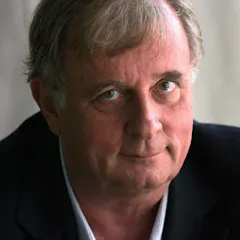
Ed was never afraid to speak or to write about his own queer life, and the queer lives of others.
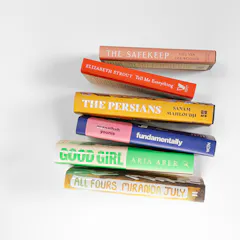
There are stories about family, sex, history, death and fundamentalism.
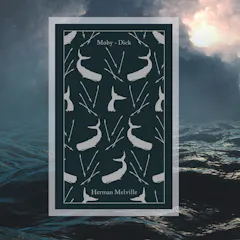
Early readers knew Moby-Dick for what it was: an extreme and ambitious form of popular genre fiction.
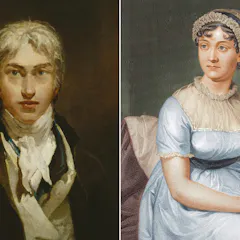
The exhibition unites the incredible works of two outstanding personalities of the Regency era.
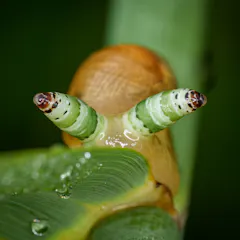
Parasites do creatively gruesome things to their host.
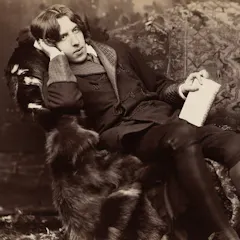
The poem reveals the mind-numbing conditions and physically exhausting jobs that were relentlessly inflicted on prisoners in Wilde’s day.
Top contributors
-

Associate Professor in Literary Studies, Monash University
-
Professor in Politics and Journalism, University of Notre Dame Australia
-
Lecturer, School of Design, University of Technology Sydney
-
Honorary Associate in Creative Writing, The Open University
-
Associate Professor of Postcolonial and Global Literatures, Nottingham Trent University
-
Lecturer of English, University of Liverpool
-
Distinguished Professor Emerita of Creative Practice, Faculty of Arts and Design, University of Canberra
-
Visiting Fellow, Centre for Cultural and Creative Research, University of Canberra, University of Canberra
-
Professor in Publishing Studies, University of Stirling
-
Senior Lecturer in Literature, Aston University
-
Associate Professor of French and Translation, University of Exeter
-
Associate Dean International, Faculty of Arts, Design & Humanities, De Montfort University
-
Dean of Research (Creative), Adelaide University
-
Associate Professor, University of Southern Denmark
-
Reader in Postcolonial Literature, Leeds Beckett University