
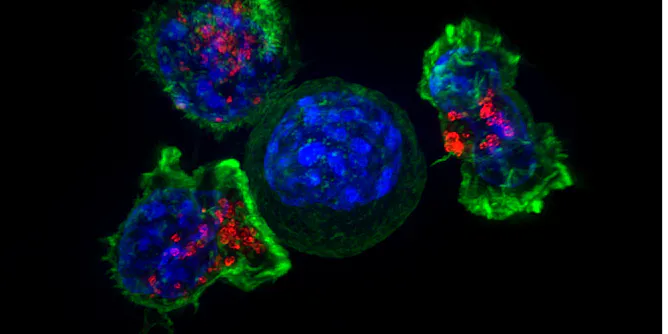
Immunotherapy has the potential to eliminate tumors, but works best for select patients. Engineering T cells to bypass cancer’s defenses could help expand treatment eligibility to more patients.
Articles on Bioengineering
Displaying 21 - 40 of 47 articles
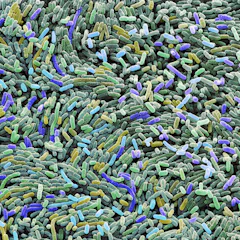
The walls of your house could someday be built with living bacteria. Synthetic biologists are engineering microbes into living materials that are cheap and sustainable.
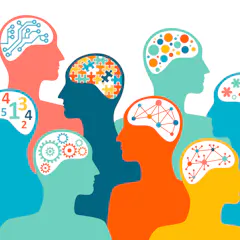
Existing brain connections may influence the effectiveness of neurostimulation. Tailoring treatments to each individual brain could expand the number of conditions brain stimulation can treat.
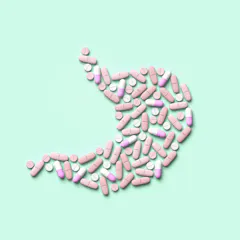
While pills are more practical than injections or infusions, digestion in the stomach prevents many drugs from being taken orally. Better drug design could change this.
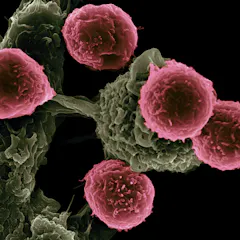
One promising cancer treatment has been in the works for decades, but severe side effects have kept it out of the clinic. A reengineered version may offer a way to safely harness its potent effects.
A one-size-fits-all approach may not be best for treating cardiovascular disease. Taking sex chromosomes into account could make for more effective and equitable care.

We can fine-tune bacteria using algorithms to help them produce the things we need, from antibiotics to methane.
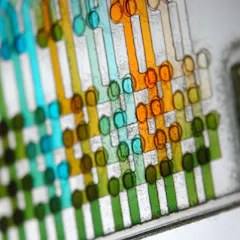
Electronics are not the only technology to have been miniaturized. Using the strange behavior of fluids in tiny spaces, microfluidic devices are critical to medicine, science and the modern world.
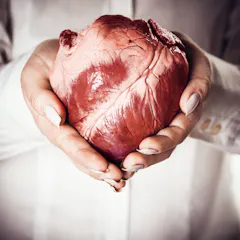
Printing organs could reduce the need for human donor organs. And 3D printed organs using a patient’s own cells would increase successful organ transplants by reducing the risk of rejection.
A bioengineer explains how a clearer picture of brain structure and function may fine-tune the ways brain surgery attempts to correct structure and medication tries to correct function.
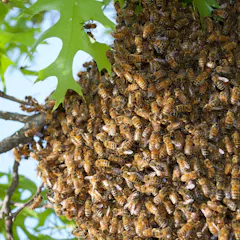
A swarm of honeybees can provide valuable lessons about how a group of many individuals can work together to accomplish a task, even with no one in charge. Roboticists are taking notes.
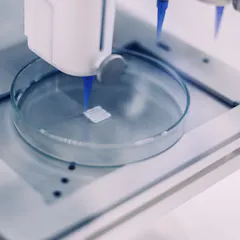
Bioprinting, an offshoot of 3D printing, is advancing so rapidly that regulators have been caught off guard. Two legal scholars argue patients and manufacturers would benefit from clearer rules.
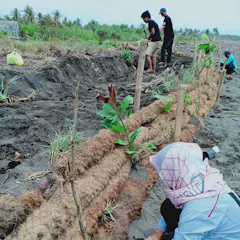
A biodegradable sea wall is cheaper than a concrete wall. In addition, it’s easy for local people to replicate.
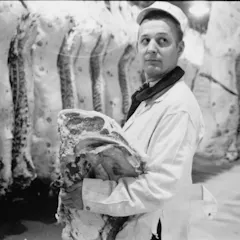
It’s relatively easy to grow a bunch of animal cells to turn into a burger. But to grow a steak made of cultured meat is a trickier task. Bioengineers must create organized, three-dimensional tissues.
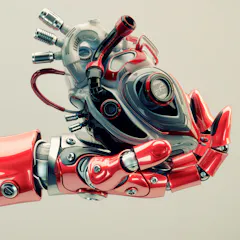
Health care relies on increasingly sophisticated devices for implanting into the body or monitoring it. Yet most med school graduates are not versed in engineering. That needs to change.
Nanotechnology brings together multiple science disciplines to create devices that mimic the refinements of nature. It’s difficult – and exhilarating.
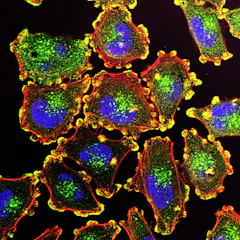
Synthetic biology allows us to engineer biological cells. This could help us tackle cancer in remarkable ways.

If Mary Shelley wrote the book today, Victor would surely be a synthetic biologist. But those fiddling with living things in 2018 have hopefully learned from her cautionary tale.
One big challenge for gene therapies is delivering DNA or RNA safely to cells inside patients’ bodies. New nanoparticles could be an improvement over the current standard – repurposed viruses.

New research works out how to translate between the language of biology – molecules – and the language of microelectronics – electrons. It could open the door to new kinds of biosensors and therapeutics.
Top contributors
-

Doctoral Student in Biochemistry, University of Washington
-
Professor of Biomedical Engineering and Medicine, University of Virginia
-
Director, Robert E. Fischell Institute for Biomedical Devices, University of Maryland
-
Executive Director of the ARC Centre of Excellence for Electromaterials Science and Director of the Intelligent Polymer Research Institute, University of Wollongong
-
Professor of Bioengineering, University of Maryland
-
VC Postdoctoral Fellow, RMIT University
-
Director of Nephrology at St Vincent's Hospital Melbourne, and Associate Professor of Medicine,, The University of Melbourne
-
Professor of Electrical Engineering and Computer Science, Massachusetts Institute of Technology (MIT)
-
Professor of Electrical and Computer Engineering,, University of Utah
-
PhD candidate, Monash University
-
Lecturer in Computational Biology, UCL
-
Doctorant en automatique, Inria
-
Professor of Microbiology and Immunology, Indiana University
-
Reader in Systems and Synthetic Biology, UCL
-
Professor of War and Technology, University of Bath