
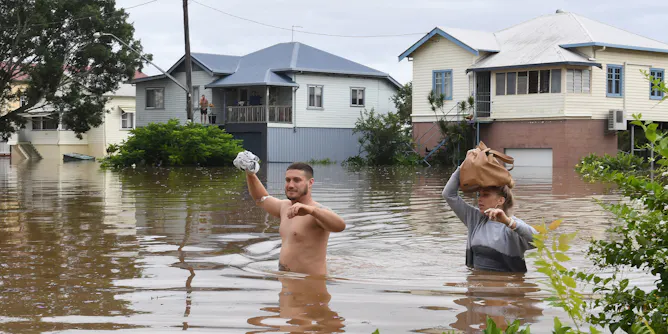
Climate change is increasing the risks of extreme heat, floods and bushfires, meaning more people are having to consider moving home. But different people come to different decisions.
Articles on Better Cities
Displaying 161 - 180 of 397 articles

Australian passenger cars on average use 20% more fuel than passenger in the US – which has had efficiency standards in place since 1975.

Much like our gut microbes, the community of microbes used to process human waste must be healthy to do the job well. Monitoring the DNA in waste sludge can help us ensure the system stays healthy.
Paying for your parking via an app promises ease and efficiency. But we are entering a bargain with unclear terms around data privacy and public revenue.
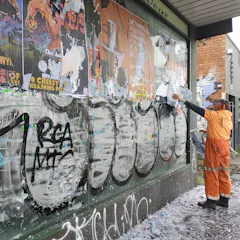
Our city streets are covered with posters, signage, art and graffiti. How can these public images support diversity and justice in cities?
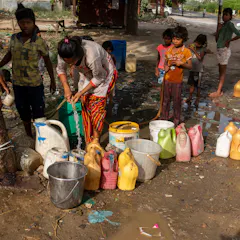
Most of the 1 billion people in informal settlements are in the tropics where the threat of humid heat is rising. Poor weather station coverage that misses local hotspots puts them even more at risk.

An essential part of managing a growing global waste problem is sorting, recovering and recycling it. But you won’t see this on children’s shows that feature waste collection.

Battery electric trucks offer larger and more certain emission cuts than trucks powered by hydrogen in the quest to reduce Australia’s stubbornly high transport emissions.
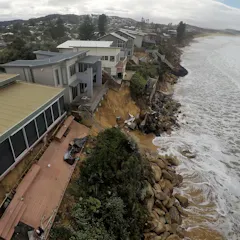
Even a small rise in sea level can have big impacts on coastal properties, so we must do all we can to limit the changes while taking them into account in coastal land-use planning.

Modular building techniques offer sustainable, affordable and adaptable solutions for a rapidly changing world.
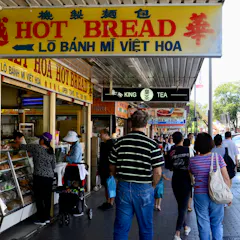
The shift from family migration towards skilled migrants changed settlement patterns in the first two decades of this century. But these skilled migrants still get paid less than non-migrants.
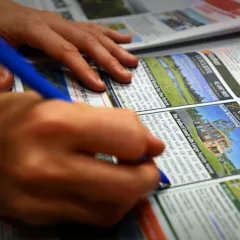
The five international models we examined would have prevented excessive rent increases and helped many renters stay in their homes.
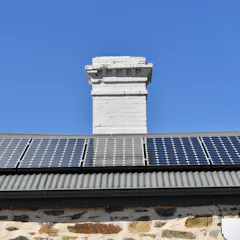
Australia leads the world in rooftop solar per head. Can this small-scale power source be the secret weapon to fire up our struggling transition to net zero?
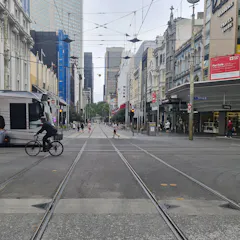
The four Cs – convenience, choice, competitive prices and COVID-19 – will decide the retail battle and how it affects the structure and function of our cities.
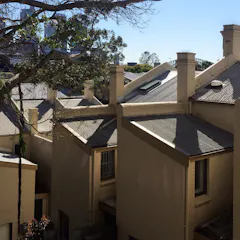
Pattern book housing has been proposed as a way to speed up housing supply in New South Wales. It certainly worked in the past.
The government has made housing a federal policy priority after a decade of neglect. But the scale of the housing crisis means its actions to date are just a start – much more must be done.

People love natural swimming spots, but it’s important to manage them well to protect both swimmers and the environment.

Too much stormwater is disappearing down the drain. Here’s how our cities can make more of their last untapped water source.

The pilot project opening in Sydney will use the best available evidence to keep vulnerable people cool on the hottest of days.
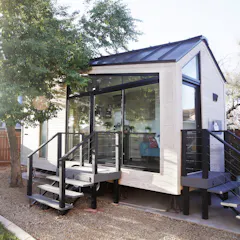
Until now, planning and housing regulations have stood in the way of using tiny houses as permanent homes. That’s starting to change as councils look for solutions to the housing crisis.
Top contributors
-

Associate Professor in Property, Construction and Project Management, RMIT University
-
Associate Deputy Vice Chancellor in Research & Innovation, RMIT University
-
Emeritus Professor of Housing, UNSW
-
Professor of Transport Technology and Sustainability, Swinburne University of Technology
-
Adjunct Professor of Transport, University of Technology Sydney
-
Professor of Housing Research, Adelaide University
-
Research Associate, HHAUS research group, Swinburne University of Technology
-
Honorary Professor of Planning, The University of Queensland
-
Alan Morris is a Friend of The Conversation.
Professor, Institute for Public Policy and Governance, University of Technology Sydney
-
Honorary Professor, School of Natural Sciences, Macquarie University
-
Professor of Housing & Social Policy, HHAUS Housing, Homelessness & Urban Studies, Swinburne University of Technology
-
Professor of Planning and Director of Urban Transformations Research Centre, Western Sydney University
-
Senior Lecturer in Urban Planning, University of Auckland, Waipapa Taumata Rau
-
Associate Professor in Housing, School of Property, Construction and Project Management, RMIT University
-
Adjunct Research Fellow, School of Human Sciences, The University of Western Australia