

Even in states that don’t have daylight saving, most people favour it. However, support is strongest in the country’s south, where the difference between summer and winter daylight hours is greater.
Articles on Better Cities
Displaying 141 - 160 of 397 articles
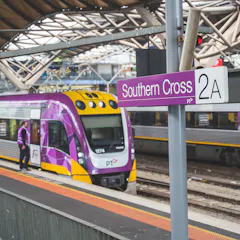
Serious air pollution is a common problem in stations around Australia and the world. But solutions already exist, and some can be applied immediately to protect station staff and commuters.

We could make our hot cities cooler with white roofs and light roads. But progress has been glacially slow.

For the Commonwealth, the best measure is rent assistance. For the states, it’s a mix of two-thirds first homebuyer grants and one-third stamp duty discounts.
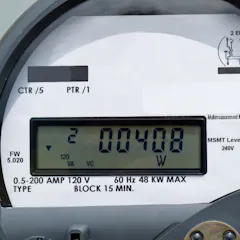
The amount of detailed real-time data a smart grid needs to manage the push for electrification and renewables presents challenges – but there’s an affordable solution.

Co-operatives make up only a small part of Australia’s accommodation stock but their users say the benefits warrant it being considered as a way of easing the housing crisis.

Low-income customers who qualify for subsidised rates are five times more likely to use shared e-scooters and e-bikes for daily travel. People with disabilities also value them.

Australia builds only 45,000 new homes per quarter. If we really want to fix the rent crisis we’ll have to build more.
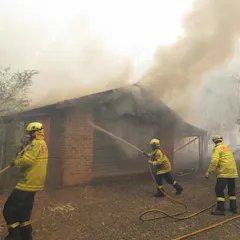
Buildings can be engineered to resist bushfires, but we can’t engineer the many aspects of human behaviour and decision-making that will still put lives at risk.

Neither investors nor super funds are prepared to wear the losses needed to put low-income Australians into housing. The government should double the size of its Housing Australia Future Fund.

The number of active short-term rental listings is a small fraction of the total number of dwellings in Australia – and many listings are not in the city areas of great housing need.
Negative gearing is popular because it lowers home owners’ tax bills. But its critics say it has reduced affordable housing stock keeping the less well off out of the market.
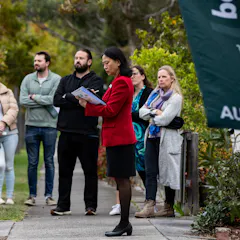
A new government housing assistance scheme risks becoming a lottery because many more people are eligible than the 10,000 places available each year.

Even changing the tax system won’t end steadily-climbing property prices. They are the result of urbanisation, and while COVID has eased some of the pressures, it has added some more.

Big changes are needed to create a consumer-centric National Electricity Market that’s able to manage the rise of rooftop solar.

People wait years for social housing. In before-and-after interviews, the fortunate ones who were placed in secure, affordable housing describe the profound difference it has made in their lives.
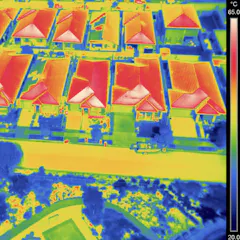
Western Sydney residents whose homes often get hotter inside than outside during heatwaves have learnt to be resourceful in adapting to the increasing heat.

More efficient water use is one of the most cost-effective steps we can take to cut emissions.

Australian vehicle emissions are even worse than official figures show and are likely to fall even further behind the rest of the world unless much more ambitious policies are adopted.

‘Situationists’ believe the physical spaces around us, and how we interact with them, has a significant impact on how we feel.
Top contributors
-

Associate Professor in Property, Construction and Project Management, RMIT University
-
Associate Deputy Vice Chancellor in Research & Innovation, RMIT University
-
Emeritus Professor of Housing, UNSW
-
Professor of Transport Technology and Sustainability, Swinburne University of Technology
-
Adjunct Professor of Transport, University of Technology Sydney
-
Professor of Housing Research, Adelaide University
-
Research Associate, HHAUS research group, Swinburne University of Technology
-
Honorary Professor of Planning, The University of Queensland
-
Alan Morris is a Friend of The Conversation.
Professor, Institute for Public Policy and Governance, University of Technology Sydney
-
Honorary Professor, School of Natural Sciences, Macquarie University
-
Professor of Housing & Social Policy, HHAUS Housing, Homelessness & Urban Studies, Swinburne University of Technology
-
Professor of Planning and Director of Urban Transformations Research Centre, Western Sydney University
-
Senior Lecturer in Urban Planning, University of Auckland, Waipapa Taumata Rau
-
Associate Professor in Housing, School of Property, Construction and Project Management, RMIT University
-
Adjunct Research Fellow, School of Human Sciences, The University of Western Australia