

Programs like ‘Big Little Reno’ aim to help people make their houses more energy efficient.
Articles on Behaviour change
Displaying 1 - 20 of 44 articles

A messy room isn’t usually created by one great act of mess-making. It results from hundreds of tiny behaviours.

A new film about the climate emergency is designed to change behaviour. But there’s a risk that in-depth discussions replace action.

Among the online community of #ClothBumMums, once mothers worked out their daily systems a joyful transformation occurred.

Climate action does not just need good policy, it also needs good psychology.

A survey shows people with healthy eating habits tend to waste less food than those who focus on choosing ethical and environmentally friendly products.

Interviews with dog walkers reveals fresh insights into why people choose to keep their dog on lead, or not. Changing that behaviour depends on meeting the needs of both pet owners and their dogs.

Despite knowing about climate change and the contribution of fossil fuel-based heating to it, most people are unwilling to change the gas-based heating systems they are familiar with.

Most food waste happens at home - new research reveals the most effective ways to encourage people to reduce it.
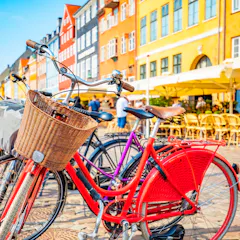
People tend to be less green on holiday that at home for various reasons.

AI-driven hyper-personalised health nudges could be the next big thing – but they ignore the real factors behind chronic health problems
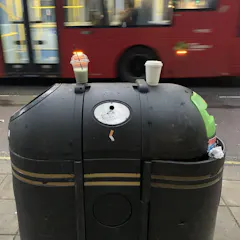
Some littering is conscious, some is created unintentionally. Tackling the reason it was created could make clean-up tactics more effective.

Experimenting with climate messaging reveals the best ways to inspire individual action. Here’s how to talk about the Great Barrier Reef this summer.
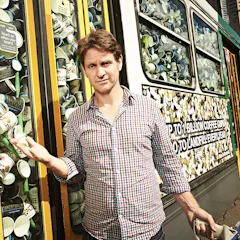
Understanding the success of the ABC’s War on Waste is a lesson in behavioural psychology. Research reveals five ways to guide other entertainment-education interventions to similar success.

The ‘fresh start effect’ explains why the beginning of a new school year often leads to a boost in motivation – even if you aren’t a student.

Reneging on climate commitments indicates the UK government’s misreading of public attitudes.
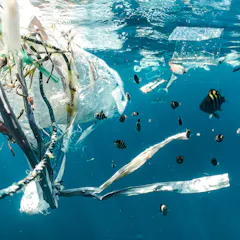
Promoting small actions, such as reducing plastic use, can be a useful entry point for other actions around climate change. It’s an example of ‘positive spillover behaviour’.

Research shows the key to changing your diet is focusing on changing eating habits and food behaviours, one at a time.

How providing information on the health risks of vaping through expert advice and personal testimonies can help steer students away from using e-cigarettes.

A new report suggests the government has less to fear from promoting sustainable lifestyles than it expects.
Top contributors
-

Marine Social Scientist, The University of Queensland
-
Professor of Environmental Psychology, University of Bath
-
Lecturer in Environmental Geography, Birkbeck, University of London; King's College London
-
Behavioural Scientist, CSIRO
-
Lecturer, School of Agriculture and Food Science & Centre for Biodiversity and Conservation Science, The University of Queensland
-
Social Marketer & Market Researcher, Queensland University of Technology
-
Director, BehaviourWorks, Monash Sustainable Development Institute, Monash University
-
Research Fellow in Behaviour Change, Monash University
-
Associate Professor in Psychological Sciences, The University of Melbourne
-
Associate professor, University of Sydney
-
Researcher, Digital Wellbeing, Western Sydney University
-
Lecturer, Tilburg University
-
Lecturer/Research Fellow in Psychology, Flinders University
-
Honorary Professor, University of Wollongong
-
Senior Lecturer, Health Sciences, Brunel University of London