
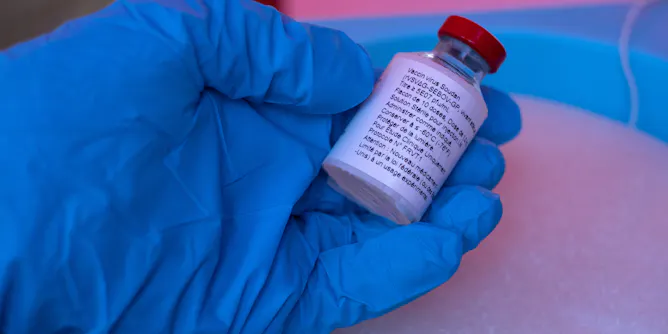
Vaccine development can be really expensive, and there’s limited commercial return.
Articles on Bats
Displaying 1 - 20 of 139 articles
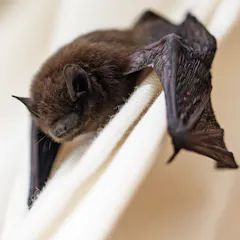
A bat biologist walks through the steps for persuading a bat to leave your home, and what to do when a whole family decides to roost in your attic.
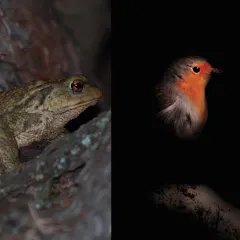
For biodiversity, it’s not just about switching off street lighting, it’s about knowing when and where to turn the lights off.
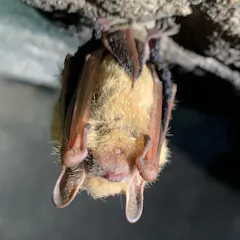
When bats disappear, farms become less productive, and that has broad implications far beyond the crops.
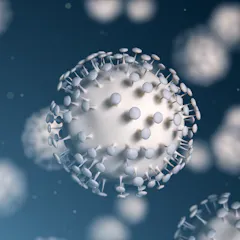
Scientists are learning to spot pandemic threats without touching dangerous pathogens.

Inspired by bats, a new ultra-low-power sensing system enables tiny drones to navigate through darkness, smoke and dust, where cameras and other light-based sensors fail.
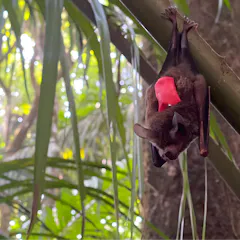
By listening in on their nightly hunts, scientists discovered that small, fringe-lipped bats are unexpectedly able to efficiently take down prey nearly their own size.

The starry skies we can see from the UK are being limited all the time by the glare of light pollution.
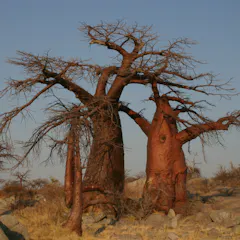
New research shows that baobab tree flowers have adapted to meet the needs of either bats or moths, and without these creatures, the trees will not survive.
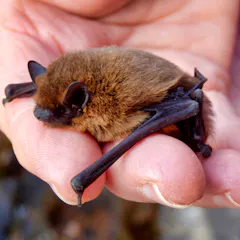
Bats are our allies, not enemies.
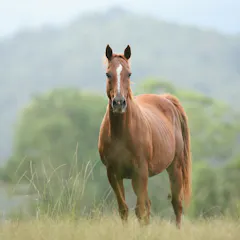
There is no vaccine for humans against Hendra. The virus is severe and can be deadly – but it’s very rare.
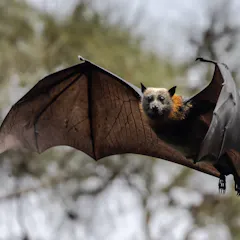
A man in NSW has died after being infected with bat lyssavirus. Here’s what to know about this infection.

A 25-year-old local scientist captured rare footage showing how one of the world’s deadliest viruses could jump from bats to humans.
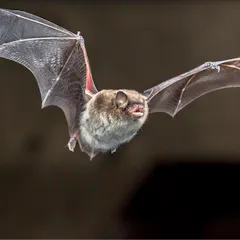
If bats’ way of living falters, entire food webs could feel the effects.
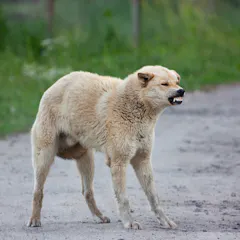
How to stay safe from rabies on your next trip.
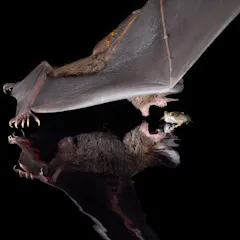
By listening to a frog call, adult bats can tell which prey are palatable and which are poisonous. Young bats must acquire this ability over time.
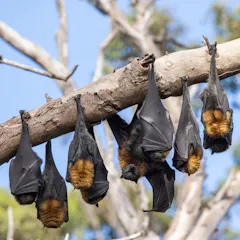
Infection with Australian bat lyssavirus is serious but extraordinarily rare, and there are effective treatments. So there’s no need to panic.
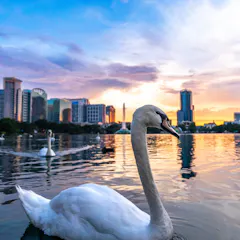
The animals that are living it up in the city.
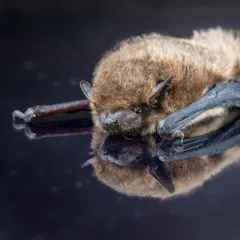
Developers could save time and money by planning for nature at the outset.
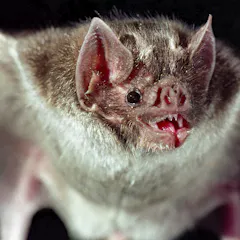
A behavioral ecologist explains the reciprocal social relationships vampire bats maintain, in sickness and in health.
Top contributors
-

Professor of Animal Ecology, Western Sydney University
-
Biodiversity Coordinator, Wilderness, University of the Witwatersrand
-
The University of Melbourne
-
Principal Scientist and Canada Research Chair in Zoonotic Virus and Animal Reservoirs at the Vaccine and Infectious Disease Organization and Co-Lead of One Health at the University of Saskatchewan, University of Saskatchewan
-
Researcher, Max Planck Institute of Animal Behavior
-
Postdoctoral Research Associate in Biological Sciences, University of Bristol
-
Senior Lecturer in Physical Geography, James Cook University
-
Assistant Professor of Microbiology, Kennesaw State University
-
Wellcome Trust Senior Research Fellow, University of Glasgow
-
The University of Melbourne
-
Research scientist, CSIRO
-
Professor of Environmental Biology, University of Sussex
-
Professor/Director Centre for Viral Zoonoses/ DST-NRF South African Research Chair, University of Pretoria
-
Maître de Conférences (HDR) à Sorbonne Université, ISYEB - Institut de Systématique, Evolution, Biodiversité (CNRS, MNHN, SU, EPHE, UA), Muséum national d’histoire naturelle (MNHN)
-
Adjunct Asssociate Professor, James Cook University