
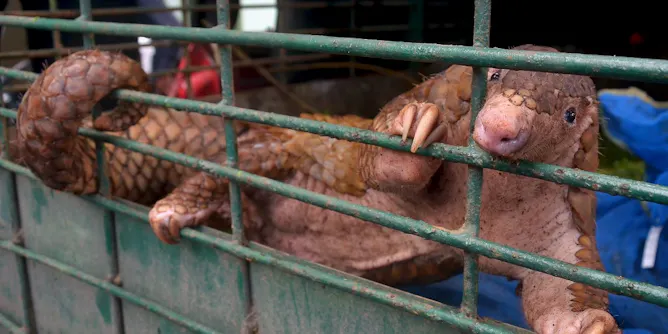
Covid-19, like other major epidemics, is not unrelated to the biodiversity and climate crisis we are experiencing.
Articles on Bats
Displaying 81 - 100 of 139 articles
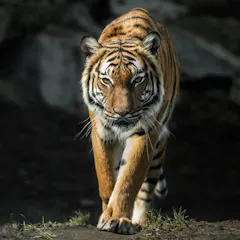
A four-year-old female Malayan tiger has tested positive for COVID-19, with six other tigers and lions showing symptoms. It’s the first known case of a ‘wild’ animal catching the disease.
Using distance to avoid getting sick has deep evolutionary roots for humans and many other species.
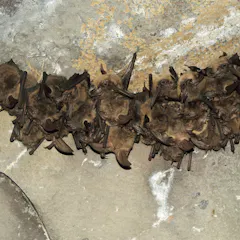
The value that bats provide to humans by pollinating crops and eating insects is far greater than harm from virus transmission – which is mainly caused by human actions.
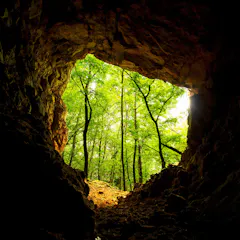
The SARS-CoV-2 virus responsible for the COVID-19 pandemic is undergoing extensive genetic analysis around the world to understand its origin and evolution.

COVID-19 is not the first – nor likely the last – to emerge from the two continents.
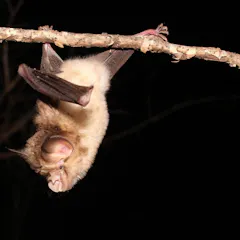
Understanding the many factors that may play a role in spillover of pathogens from bats to humans requires systematic surveillance of bat populations.
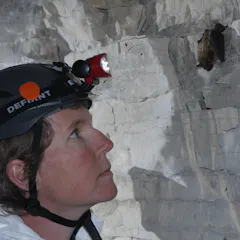
Researchers are puzzled by a fungus that is killing millions of bats.
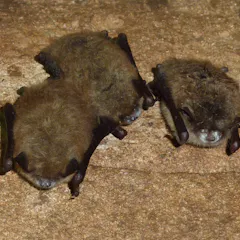
It’s been a deadly summer for Australia’s wildlife. But beyond the fires, we need to act now to protect bats – which make up a quarter of Australian mammal species – from a silent overseas killer.
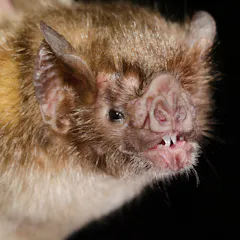
Vampire bats form social bonds similar to human friendships – and they’re good friends to those in need.
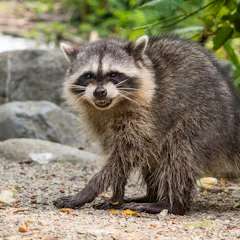
Rabies is almost always fatal once the symptoms appear. It is also completely preventable, so long as you know how to protect yourself.
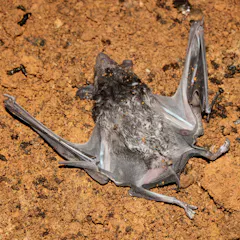
Ancient poo from bats and birds can tell you what type of vegetation they were feeding on at that time.
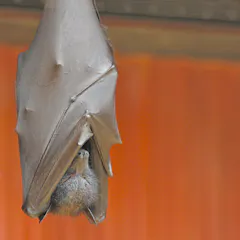
Sometimes, two different animals will evolve to have a similar adaptation, even when they are not closely related. Flight is an excellent example.
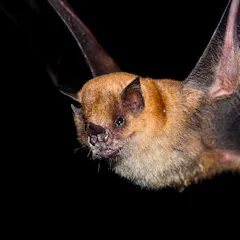
Scientists identify the risk of bat flu spreading to humans.

Museums’ collections are a priceless resource for scientists, but they’re not easy to access. Digitizing specimens – like the 700 bat skulls the author studied – is a way to let everyone in.
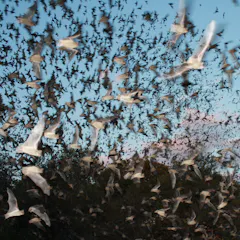
Bats have symbolised everything from insanity to good luck. A new book explores their place in our collective imagination.
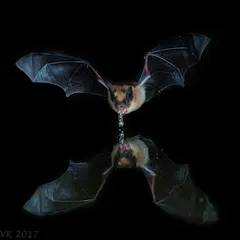
Scientists often use animals and plants as indicators to assess whether ecosystems are polluted. Tracking bats, which cover wide areas and need clean water, could become a way to find potable water.

Ultra-violet (UV) light can destroy a fungus that’s devastating the animals in North America.
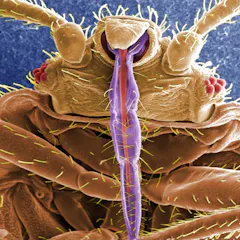
Bed bugs make us shudder and cringe. So arm yourself with the courage to learn about the biology and successes of Cimex lectularius – as well as the ways to get rid of it.
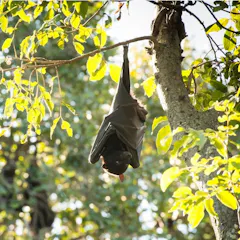
We need balanced media reporting about bat-borne diseases to help avoid vilification of Australia’s under-appreciated creatures of the night.
Top contributors
-

Professor of Animal Ecology, Western Sydney University
-
Biodiversity Coordinator, Wilderness, University of the Witwatersrand
-
The University of Melbourne
-
Principal Scientist and Canada Research Chair in Zoonotic Virus and Animal Reservoirs at the Vaccine and Infectious Disease Organization and Co-Lead of One Health at the University of Saskatchewan, University of Saskatchewan
-
Researcher, Max Planck Institute of Animal Behavior
-
Postdoctoral Research Associate in Biological Sciences, University of Bristol
-
Senior Lecturer in Physical Geography, James Cook University
-
Assistant Professor of Microbiology, Kennesaw State University
-
Wellcome Trust Senior Research Fellow, University of Glasgow
-
The University of Melbourne
-
Research scientist, CSIRO
-
Professor of Environmental Biology, University of Sussex
-
Professor/Director Centre for Viral Zoonoses/ DST-NRF South African Research Chair, University of Pretoria
-
Maître de Conférences (HDR) à Sorbonne Université, ISYEB - Institut de Systématique, Evolution, Biodiversité (CNRS, MNHN, SU, EPHE, UA), Muséum national d’histoire naturelle (MNHN)
-
Adjunct Asssociate Professor, James Cook University