
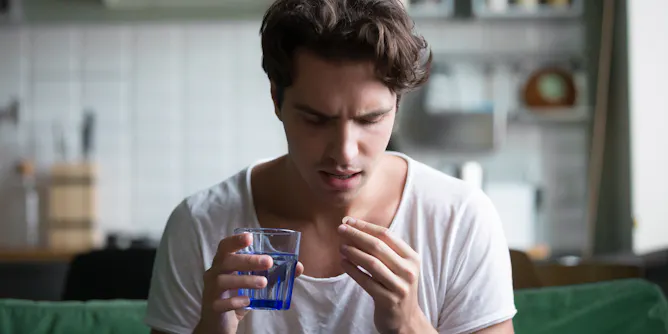
It’s hard to predict how long it will take to feel better after you start taking antibiotics. But if you start feeling worse one to two days after starting the therapy, you must see your doctor.
Articles on Bacterial infections
Displaying 41 - 60 of 68 articles
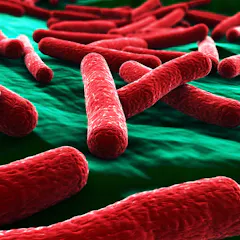
E. coli bacteria are the frequent culprits behind outbreaks of food-borne illnesses. But not all strains are harmful; some are even helpful.
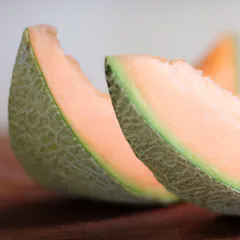
Two people have died after eating rockmelon contaminated with listeria. A total of ten cases have been confirmed in NSW, Queensland and Victoria between Jan 17 and Feb 9, and more are expected.
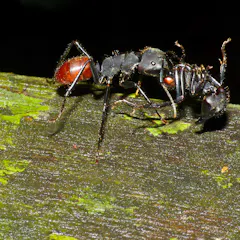
Ants produce their own antimicrobial chemicals to fight bacteria.
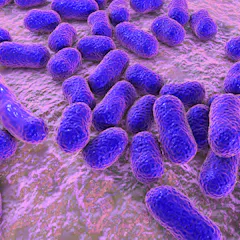
Researchers are using epigenetics to find ways to ‘turn off’ bacteria’s ability to cause infections.
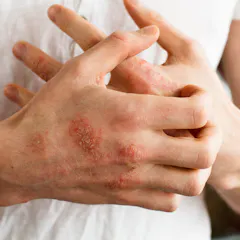
While school sores – or impetigo – is a treatable condition, if left untreated it can lead to much more serious illness such as kidney and heart disease.

Natural disasters expose people to toxic gases, bacterial illness and other serious dangers. How can people maximize their safety as they return home?

The hallmark of a Buruli ulcer is a sore, usually on the legs or arms, which slowly enlarges over weeks to months.
New reports that stopping antibiotics when you feel better is better for you could do more harm than good. But it has reopened the debate on how long antibiotics should be used.
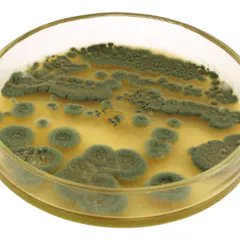
We’ve been told for a long time that we must take all of our antibiotics. But maybe we didn’t need so many to begin with. Here’s why.
An article in a leading health journal causes confusion and undoes years of hard work in raising awareness of antibiotic resistance.

If you have a ten-month-old baby, what do you need to know? What do you need to ask your GP about the benefits and risks of antibiotics?
Thousands of people acquire infections while hospitalized. Many are caused by urinary catheters, a routine part of a hospital stay. But cutting back on their usage can lower infection rates.

The vast majority of the bacteria that surround us are not free-floating but prefer to band together in cooperative communities called biofilms. How do biofilms form and cooperate?
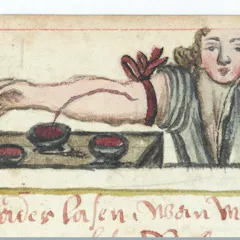
While some ancient therapies proved effective enough that they are still used in some form today, on the whole they just aren’t as good as modern antimicrobials at treating infections.
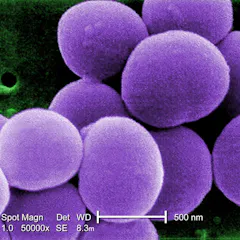
A narrow focus on bacteria that produces high levels of toxin may have misled researchers in the pursuit to understand superbugs.

Antibiotics can prevent serious harm and stop infections becoming fatal. But they won’t kill common cold and flu viruses, and careless overprescribing by doctors can do more harm than good.
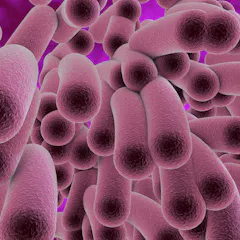
New research shows the best way to treat hospital infections caused by C. difficile may be with more of the bacteria.

We’ve heard a lot lately about superbugs – bacteria that are resistant to current antibiotics. But as the threat of superbugs continues to rise, the number of new treatments available has flatlined. This…

We’ve all experienced the abdominal cramps and the urge to get to a toilet – quickly! When the stomach and intestinal tract become inflamed, our bodies respond with the sudden onset of diarrhoea, associated…
Top contributors
-

Adjunct Associate Professor of Epidemiology, University of California, Los Angeles
-
Professor of Microbiology and Immunology, Indiana University
-
Senior Research Fellow, School of Medicine, The University of Western Australia
-
Senior Lecturer, Medical Microbiology, University of Westminster
-
Clinical Associate Professor, School of Medical Science & Sydney Infectious Diseases Institute; Principal Hospital Scientist, University of Sydney
-
(Formerly) Senior Research Specialist, Johns Hopkins University
-
Reader, Milner Centre for Evolution, Department of Biology & Biochemistry, University of Bath
-
Associate Professor and Clinical Academic Gastroenterologist, Western Sydney University
-
Professor of Infectious Diseases, Monash University
-
Research Assistant Professor of Immunology, Tufts University
-
Prof. Institute for Molecular Bioscience, The University of Queensland
-
Research Assistant in Pharmacy, University of Canberra, University of Canberra
-
Professor of Biological Sciences, Binghamton University, State University of New York
-
Team Lead, Healthy Skin and Acute Rheumatic Fever Prevention, The Kids Research Institute Australia
-
PhD Candidate, Department of Genetics and Genome Biology, University of Leicester