

Antibiotic resistance can affect anyone of any age.
Articles on Bacterial infections
Displaying 21 - 40 of 68 articles

Infections caused by this bacterium are most common in school-aged children – and can lead to pneumonia.
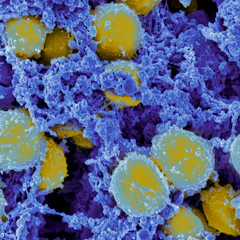
Drug-resistant microbes are a serious threat for future pandemics, but the new draft of the WHO’s international pandemic agreement may not include provisions for antimicrobial resistance.

Gardening is often seen as a relaxing, harmless pasttime – but that isn’t always the case.
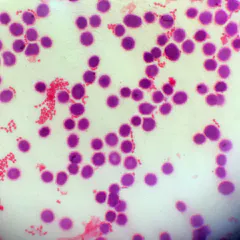
An overactive immune response to infection can be deadly. Studying how one key player called tumor necrosis factor, or TNF, induces lethal immune responses could provide new treatment targets.

While RSV can become severe for any child, it poses a particularly serious threat for the youngest babies and for high-risk children.

The US currently has only one antibiotic available to treat gonorrhea – and it’s becoming less effective.

While newer, faster technologies are in development, it will still be some time before they’re in regular use.

Coinfections with bacteria can make viral infections even deadlier. Researchers have identified a protein in immune cells that may play a role in fighting both types of pathogens.

Sepsis onset can be difficult to recognize, in part because its symptoms can mimic those of many other conditions. A treatment delay of even a few hours can make the difference between life and death.

With mask-wearing and kids out of school last winter, viral upper respiratory infections decreased. However, clinicians have seen a return of respiratory viruses this summer and ear infections are up too.

With nurse prescribing expanding globally, it’s important they are properly guided and supported when it comes to antibiotics and managing patient expectations.

Observing the progression of an infection in real-time allows us to better understand how antibiotic resistance develops.

Resistant bacteria aren’t the only risk posed by overprescribing antibiotics. A more immediate risk is side-effects and reactions, which a new review shows are surprisingly frequent and often severe.
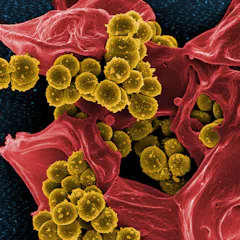
Antimicrobial resistance is a public health and economic disaster waiting to happen. If we do not address this threat, by 2050 more people will die from drug-resistant infections than from cancer.

Scientists have developed a new coating for urinary catheters, making them more comfortable and safer to use.

Coronavirus can cause lung damage, pneumonia and multi-organ failure, or sepsis, among other things.

Bacteriophages are viruses that infect bacteria. But could they be key in solving the antibiotic resistance epidemic?
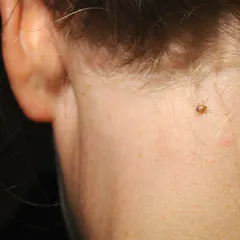
Tick-borne diseases are becoming more common in the United States. A public health entomologist outlines some of the lesser-known threats ticks pose to human health.

The bacteria that causes melioidosis usually lives 30cm underground in clay soil but is dredged to the surface during heavy rains and floods, and can enter the body through small breaks in the skin.
Top contributors
-

Adjunct Associate Professor of Epidemiology, University of California, Los Angeles
-
Professor of Microbiology and Immunology, Indiana University
-
Senior Research Fellow, School of Medicine, The University of Western Australia
-
Senior Lecturer, Medical Microbiology, University of Westminster
-
Clinical Associate Professor, School of Medical Science & Sydney Infectious Diseases Institute; Principal Hospital Scientist, University of Sydney
-
(Formerly) Senior Research Specialist, Johns Hopkins University
-
Reader, Milner Centre for Evolution, Department of Biology & Biochemistry, University of Bath
-
Associate Professor and Clinical Academic Gastroenterologist, Western Sydney University
-
Professor of Infectious Diseases, Monash University
-
Research Assistant Professor of Immunology, Tufts University
-
Prof. Institute for Molecular Bioscience, The University of Queensland
-
Research Assistant in Pharmacy, University of Canberra, University of Canberra
-
Professor of Biological Sciences, Binghamton University, State University of New York
-
Team Lead, Healthy Skin and Acute Rheumatic Fever Prevention, The Kids Research Institute Australia
-
PhD Candidate, Department of Genetics and Genome Biology, University of Leicester