
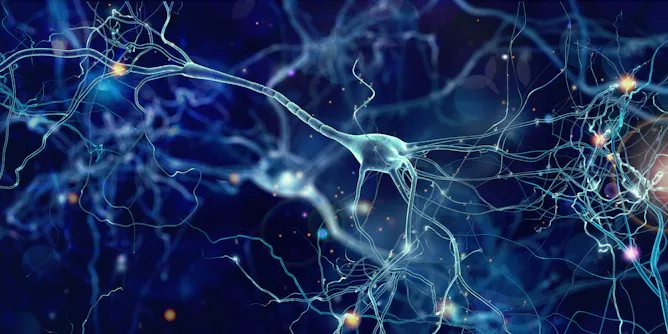
A new technology has enabled neuroscientists to examine the chemistry of individual brain cells. The finding reveal how genes are regulated differently in brain cells of people with autism compared to neurotypical people.
Articles on Autism
Displaying 241 - 260 of 416 articles
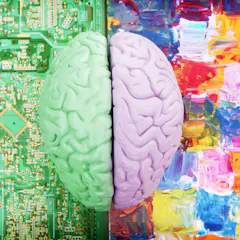
Autistic and artistic, you can be both.
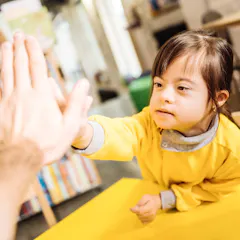
A six-province study of principals finds those who prioritize spending time boosting staff report high levels of effectiveness supporting inclusive schools.
A medical model tends to see disability as an individual impairment, but disability — including autism — is part of all of our precarious, precious lives.

Parents of autistic children in Wales face a choice between English-medium specialist education or Welsh-medium mainstream education.
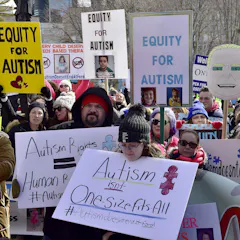
An inclusive education researcher says the government’s consolation plan to boost school funding for autism services with no investment in early childhood education flies in the face of evidence.

This is just one example of how being ‘different’ can lead to being treated differently.

The very short list of winners, and a growing list of losers, in Doug Ford’s Ontario does not bode well for the government’s political future – or the province.
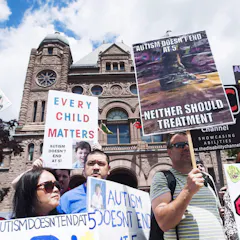
An autism policy researcher and the mother of an affected child weighs in on the recent changes announced to the Ontario Autism Program.

The final instalment to the Rosie Project trilogy points to greater awareness about neurological differences such as autism.

Britain’s education system doesn’t know what to do about children with autism.

It’s important for the child and their achievement at school that there is a good parent-teacher-student partnership.

The Harry Potter universe has become a popular setting for stories featuring autistic characters, written by young writers eager to tackle a complex topic.

A recent study has shown educators can include and teach children on the spectrum in mainstream childcare, alongside their non-autistic peers.
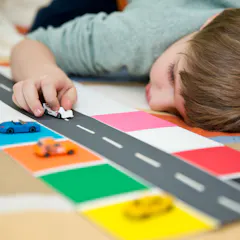
Unlike Australia, New Zealand doesn’t fund early intervention therapy for autistic children, but there are programmes pre-school teachers and parents can use to help kids develop.
Two theories on autism and sex differences are confirmed in half a million people.

Wanting to change a person’s autistic behaviours is like attempting to correct left-handedness or sexual preference. The modern workplace should see strength in difference.

Current rules about who meets the eligibility criteria for autism support services are patchy and inconsistent, meaning those with the greatest need don’t necessarily have the greatest access.

With an estimated prevalence of four per cent, fetal alcohol syndrome disorder (FASD) is more common than autism. And yet is it surrounded by myth and stigma.

Autism doesn’t have to be viewed as a disability or disorder.
Top contributors
-

Deputy Director, The Kids Research Institute Australia, Professor of Autism Research, The University of Western Australia
-
Associate Professor in Public Health and Wellcome Trust Career Development Fellow, Swansea University
-
Associate Professor of Psychology, University of Bath
-
Head of Autism Research and Senior Principal Research Fellow, The Kids Research Institute Australia
-
Assistant Researcher in Public Health, Swansea University
-
Associate Professor of Developmental Psychology, La Trobe University
-
Lecturer in Psychology, King's College London
-
Nicole Rinehart, Professor, Clinical Psychology, Director of the Neurodevelopment Program, School of Psychological Sciences, Faculty of Medicine, Nursing and Health Sciences, Monash University
-
Senior Research Fellow in Child Neurodevelopment, Brain and Mind Centre, University of Sydney
-
Professor and Clinical Psychologist, Michael Crouch Chair in Child and Youth Mental Health, University of Sydney
-
Professor, Macquarie University
-
Honorary Professor, University of Wollongong
-
Psychologist and Research Associate in the Department of Paediatrics, Monash University
-
Associate Professor, Principal Research Fellow, Psychologist, La Trobe University
-
Professor, Public Service Research, UNSW