
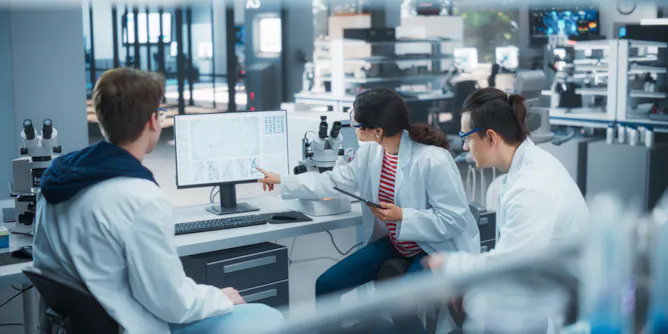
Most autistic people support genetic research but fear how the findings might be used. Their concerns are becoming harder to dismiss.
Articles on Autism spectrum disorder
Displaying 1 - 20 of 107 articles

As G7 societies age and birth rates decline, we must invest in collaborative open science research, to optimize brain health for every citizen.

The children most often left out of autism research may finally have a treatment worth testing.

Why the prevalence of neurodivergent protagonists in police procedurals? And what are viewers gaining by watching stories predicated on this form of difference?
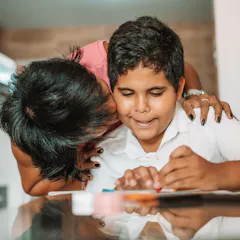
Every autistic child has individual strengths and needs. New research investigates how a category of ‘profound autism’ could impact their diagnosis and supports.

It can be exhausting for autistic people to live in a world designed for neurotypical people.

New series such as ‘Elsbeth’ and ‘Patience’ continue a long tradition of sleuths who come across as eccentric or aloof. But now there’s a name for these minds that work differently.

A greater understanding and acceptance of autism creates opportunities for people with autism to thrive.

Autism expert Andrew Whitehouse speaks to The Conversation Weekly podcast about how the diagnosis of autism has shifted since the 1990s and what’s that meant for autistic people.

A study tracking 2.4 million children found no link between paracetamol use in pregnancy and autism.
Autism spectrum disorder is a lifelong neurodevelopmental condition, with support needs often changing over time.
There are lots of myths about autistic people who don’t talk. Here are three and why they’re so wrong.

People on the autism spectrum are often overlooked in hiring because of how they come across in interviews. But with the right understanding and fixes to the process, employers can make smarter choices.
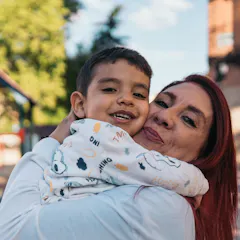
A new strengths checklist aims to help parents, carers and clinicians more easily identify a child’s skills, talents and positive qualities.

Surf therapy can change the lives of children with disabilities.
Comprehensive genetic testing can provide a more timely and accurate diagnosis and personalised support for autistic individuals and their families.

Given the physical, social and economic prioritization of physical activity in our society, why are young children with disabilities missed from physical activity monitoring and reporting?

Mental health support is crucial for incel communities, however, associating incel violence with mental health and neurodivergence risks stigmatizing people with autism.

Sleep habits can be improved by making shifts in both daytime and evening routines.

A one-off trip to a day spa is unlikely to transform your mental health. But these expert tips might help you cut yourself some slack.
Top contributors
-

Deputy Director, The Kids Research Institute Australia, Professor of Autism Research, The University of Western Australia
-
Associate Professor of Developmental Psychology, La Trobe University
-
Professor of Autism and Intellectual Disability, Faculty of Health and Human Sciences, Southern Cross University, Southern Cross University
-
Senior lecturer, Macquarie University
-
Professor of Electrical Engineering and Bioengineering, Tau Beta Pi Eminent Engineer, University of South Florida
-
Senior Research Fellow in Child Neurodevelopment, Brain and Mind Centre, University of Sydney
-
Associate Professor of Educational Studies in School Psychology, University of Calgary
-
Professor, Macquarie University
-
Head of Autism Research and Senior Principal Research Fellow, The Kids Research Institute Australia
-
Senior Lecturer, Center for Study of Human Health, Emory University
-
Professor of Inclusive Practice, Sheffield Hallam University
-
Deputy Director, Twins Research Australia & Professor in Genetics and Cell Biology, Deakin University
-
Professor of Neurodevelopmental Disorders, Goldsmiths, University of London
-
Director of Health Design Lab, Emily Carr University
-
Canada 150 Research Chair in Mathematical Biology and Medicine; Professor of Applied Mathematics, Pharmacy, and Biology, University of Waterloo