

Scientists and soldiers deal with alien invaders in the new Predator movie, but how does the science stack up? With brains and brawn you’d think they’d know how to keep an alien tied down to a table.
Articles on Autism
Displaying 261 - 280 of 416 articles

Pregnant women often get medical information from social media and websites, many of which contain misleading and false information about vaccination. Could OB-GYNs help educate them better?

Vaccines have long been considered safe, but many people still believe they are not. A new study shows that people who think they know more than medical experts are more likely to believe that vaccine are not safe.
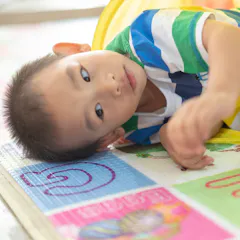
Parents of autistic children are often encouraged to stick with one language at home - even if they speak several. But should they?
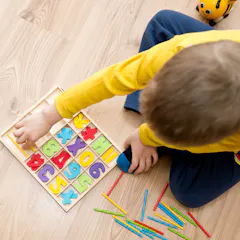
Even though people with autism are more likely to think about concrete stuff rather than abstract feelings, anxiety still exists and, if not recognised, can cause significant problems.

Autistic people have an elevated risk of homelessness, according to a new study.
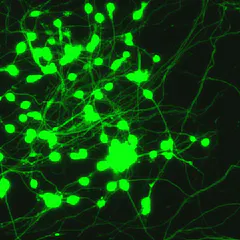
Figuring out what causes diseases like autism, schizophrenia and depression is tricky. Now Stanford University researchers are turning blood into brain cells to study these diseases in a dish.
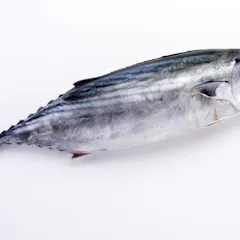
Pregnant women should be reassured that eating fish is good for their baby and is very unlikely to cause autism.

Many autistic women may be missing out on a diagnosis, new study reveals.

The evidence indicates that having autism spectrum disorder actually reduces the risk of violence.
France has launched a new autism plan – but why does the country lag behind in its provisions for the condition?

Employable Me is being touted as the feel good TV series of 2018. But will it make any difference to how employers approach jobseekers with disabilities?

When non-autistic people take the lead on autism research, support and advocacy without input from autistic people, we risk of getting the message wrong and missing key parts of the picture.

Using antipsychotics off licence is causing more problems than it solves.

Do autistic children need social skills interventions in school?
Autism and vitamin D: an in-depth look at what the new study actually found.

As awareness of Asperger’s syndrome has risen within popular consciousness and culture, it has faded from clinical use.

Only 16% of adults with autism are in full-time work.

Dyslexia affects up to 10% of the population, but until recently it was thought to be a pseudo-medical diagnosis used by parents to explain their children’s poor performance in reading.

Certain mechanisms that occur as a result of an immune response during an illness in pregnancy could impact a child’s brain development. And more studies are showing a relationship between the two.
Top contributors
-

Deputy Director, The Kids Research Institute Australia, Professor of Autism Research, The University of Western Australia
-
Associate Professor in Public Health and Wellcome Trust Career Development Fellow, Swansea University
-
Associate Professor of Psychology, University of Bath
-
Professor & Senior Principal Research Fellow, The Kids Research Institute Australia
-
Assistant Researcher in Public Health, Swansea University
-
Associate Professor of Developmental Psychology, La Trobe University
-
Lecturer in Psychology, King's College London
-
Nicole Rinehart, Professor, Clinical Psychology, Director of the Neurodevelopment Program, School of Psychological Sciences, Faculty of Medicine, Nursing and Health Sciences, Monash University
-
Senior Research Fellow in Child Neurodevelopment, Brain and Mind Centre, University of Sydney
-
Professor and Clinical Psychologist, Michael Crouch Chair in Child and Youth Mental Health, University of Sydney
-
Professor, Macquarie University
-
Honorary Professor, University of Wollongong
-
Psychologist and Research Associate in the Department of Paediatrics, Monash University
-
Associate Professor, Principal Research Fellow, Psychologist, La Trobe University
-
Professor, Public Service Research, UNSW