

More than a third of GPs have had no training on autism.
Articles on Autism
Displaying 301 - 320 of 416 articles
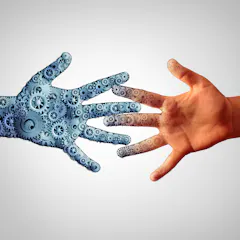
Improving the lives of people with autism through technology has benefits for us all and encourages society to take a more inclusive view of disability

A noisy environment can be hell for a person with autism. On the plus side, they are more likely to have perfect pitch than a non-autistic person.

People tell each other stories every day about the things they’ve seen and done. For many children with autism, this kind of personal narrative doesn’t come easily. Here’s how parents can help.

The introduction of a new Muppet on Sesame Street represents an encouraging cultural shift in the portrayal of characters with autism. But there is still a way to go.

Early intervention for children with autism just got earlier.
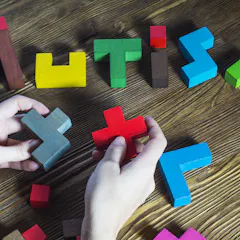
Because the world can look different to a child on the autism spectrum.
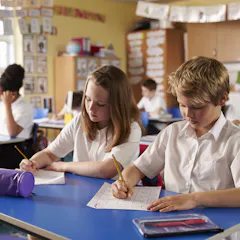
Why a common sense approach is needed when it comes to autism and primary school tests.

Spending time with pets can lead to significantly improved social skills and motivation for learning.

Can disturbed sleep patterns have an impact on a child’s ability to acquire language and vocabulary?
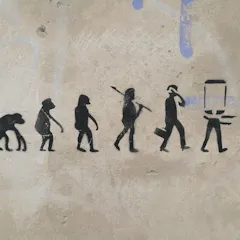
Unlocking the mystery of autism’s origin.

New research underscores the importance of positive touch in infancy.

Speaking on the ABC program Insiders, One Nation leader Pauline Hanson suggested there are tests available to see if children will have an adverse reaction to vaccinations. We asked three experts.

Donald Trump claims that there is a tremendous increase in the number of people with autism. Is he right?
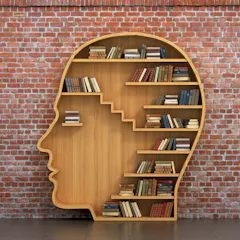
What is it like being an autistic academic?
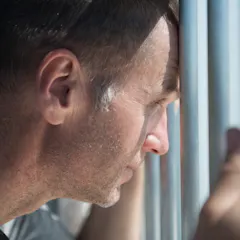
Autistic defendants and prisoners are suffering at the hands of an out of date criminal justice system.

Some people are good at understanding the emotions of others but not at feeling them or commenting on them. So can we teach people the parts they lack?
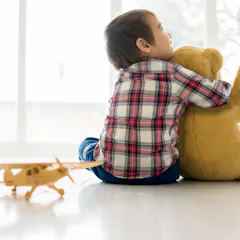
One of the big questions in autism research is whether autism is a single disorder or many different disorders that happen to present in the same way.

They gamble less with their hearts than their heads.
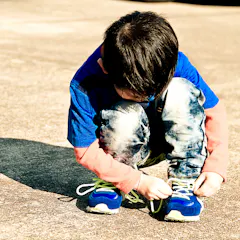
Most of us learn to tie our shoelaces, dress ourselves and eat with cutlery with relative ease. But for children with dyspraxia, these tasks are incredibly difficult to master.
Top contributors
-

Deputy Director, The Kids Research Institute Australia, Professor of Autism Research, The University of Western Australia
-
Associate Professor in Public Health and Wellcome Trust Career Development Fellow, Swansea University
-
Associate Professor of Psychology, University of Bath
-
Professor & Senior Principal Research Fellow, The Kids Research Institute Australia
-
Assistant Researcher in Public Health, Swansea University
-
Associate Professor of Developmental Psychology, La Trobe University
-
Lecturer in Psychology, King's College London
-
Nicole Rinehart, Professor, Clinical Psychology, Director of the Neurodevelopment Program, School of Psychological Sciences, Faculty of Medicine, Nursing and Health Sciences, Monash University
-
Senior Research Fellow in Child Neurodevelopment, Brain and Mind Centre, University of Sydney
-
Professor and Clinical Psychologist, Michael Crouch Chair in Child and Youth Mental Health, University of Sydney
-
Professor, Macquarie University
-
Honorary Professor, University of Wollongong
-
Psychologist and Research Associate in the Department of Paediatrics, Monash University
-
Associate Professor, Principal Research Fellow, Psychologist, La Trobe University
-
Professor, Public Service Research, UNSW