

Technology has so much potential to help autistic people but developers are missing the mark.
Articles on Autism
Displaying 181 - 200 of 416 articles

Problems identifying and responding to emotions in others is thought of as a core feature of autism. But our research shows there may be minimal differences in this aspect of social interaction.
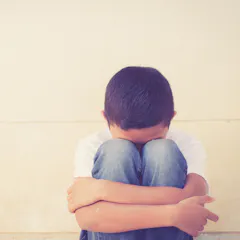
A new study has found autism is the top risk factor for bullying among all neurodiversities.

Research shows there can be profound business benefits to hiring people living with intellectual disability.

Not having the proper diagnosis as a child can have a serious impact on mental health in adulthood.

Hannah Gadsby explores the unique challenges and gifts of being an autistic, gender queer outsider. Her memoir charts her path to comedy success – navigating trauma and self-knowledge along the way.

Many autistic people struggle to get mental health support, or are missed by the healthcare system entirely.

Reports of cuts to NDIS packages have been confirmed with an average drop of 4% across participants.

Without a diagnosis, girls might experience social difficulties and traumatic situations – and grow into women who blame themselves.

While the main cast is autistic, the Amazon Prime show still relies on dangerous tropes.

Two-thirds of autism research funding in New Zealand is directed at biology and genetics. The autism community says improving support services and quality of life should be the priorities.

Pollution from more frequent floods and wildfires – exacerbated by the warming climate – is threatening human health and poses particular risks to the brain.

New research dispels the myth that gut bacteria causes autism. Rather, changes in the gut bacteria of some people with autism are driven by restricted diets or ‘picky eating’.
These children are not getting the help they need to thrive at school and at home.

While most children still had some level of developmental difficulties, the therapy boosted their social communication skills, leaving them less likely to meet the criteria for an autism diagnosis.
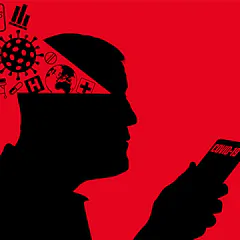
Anti-vaccine activists are using the side effect reporting system to spread fear and misinformation about the COVID-19 vaccines. But the database could also be used as a gauge for public concerns.

Not every child with mental health difficulties has a diagnosis. An approach that focuses on symptoms rather than diagnostic labels can help support children who could benefit from treatment.

Grossly oversimplified coverage risks serious damage to some of the most vulnerable in society.
Are you good at changing perspectives? If so, it may benefit you in more ways than you imagine.
Instead of supporting autism through awareness campaigns that may portray autistic people negatively, consider learning about initiatives led by autistic people themselves. Here are five ways to start.
Top contributors
-

Deputy Director, The Kids Research Institute Australia, Professor of Autism Research, The University of Western Australia
-
Associate Professor in Public Health and Wellcome Trust Career Development Fellow, Swansea University
-
Associate Professor of Psychology, University of Bath
-
Professor & Senior Principal Research Fellow, The Kids Research Institute Australia
-
Assistant Researcher in Public Health, Swansea University
-
Associate Professor of Developmental Psychology, La Trobe University
-
Lecturer in Psychology, King's College London
-
Nicole Rinehart, Professor, Clinical Psychology, Director of the Neurodevelopment Program, School of Psychological Sciences, Faculty of Medicine, Nursing and Health Sciences, Monash University
-
Senior Research Fellow in Child Neurodevelopment, Brain and Mind Centre, University of Sydney
-
Professor and Clinical Psychologist, Michael Crouch Chair in Child and Youth Mental Health, University of Sydney
-
Professor, Macquarie University
-
Honorary Professor, University of Wollongong
-
Psychologist and Research Associate in the Department of Paediatrics, Monash University
-
Associate Professor, Principal Research Fellow, Psychologist, La Trobe University
-
Professor, Public Service Research, UNSW