
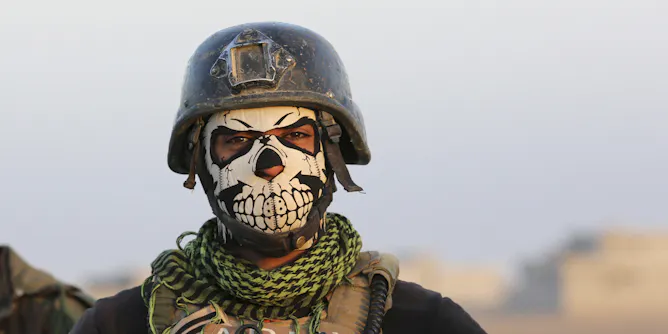
Soldier atrocities are shaped by our society, culture, and political fabric. Preventing them will require a comprehensive rethinking of policies, attitudes, and approaches to war.
Articles on Australian history
Displaying 181 - 200 of 459 articles
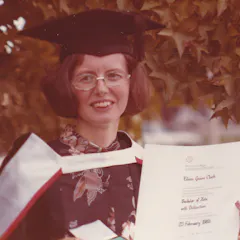
For mature-age students of the Study Centre in the 1970s, education offered them a new life.
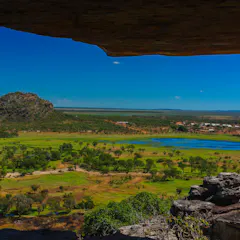
Tim Rowse concludes that Paul Daley’s new novel, inspired by true events in Arnhem Land, is fluent and skilfully paced – but doesn’t risk complicating the critical narrative of our colonial history.
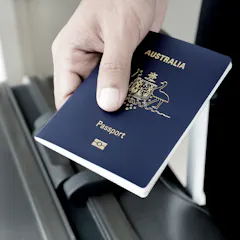
The cost of the Australian biometric passport and the rigour involved in obtaining one can be traced to our participation in an international passport system that evolved over the last century.
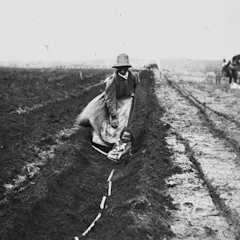
In 1881, a Pacific Islander woman brought here to work on a sugar cane plantation ran away. She was violently retrieved by her employer. Her story sheds moving light on a dark history of exploitation.
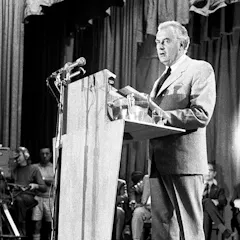
Cultural policy has scarcely featured in the 2022 campaign – when Whitlam campaigned in 1972, the arts were centre stage.
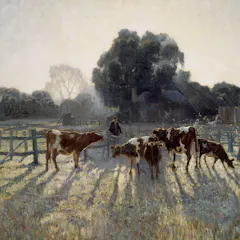
In 1895 the Wynne Prize was proposed as an award for a ‘landscape painting of Australian scenery’. Today it is more likely to be given to an Indigenous artist’s explanation of Country.
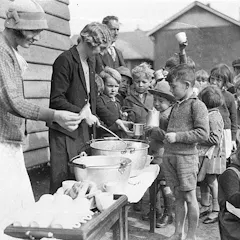
Joan Beaumont’s latest book offers a deeply conservative reading of a pivotal moment in Australian history.
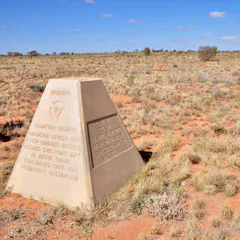
The British atomic tests at Emu Field in South Australia pre-dated Maralinga by three years. Largely forgotten, they remind us the costs of harmful political decisions are borne by the most powerless.
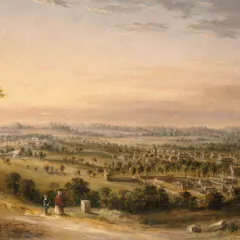
A chance encounter in the National Library of Australia’s digital archive holds clues about an 1843 cookbook published in Parramatta.
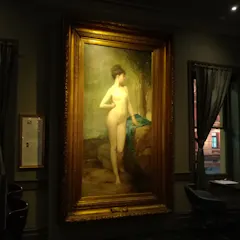
It has been tradition for soldiers to have a drink with Chloé at the Young and Jackson Hotel since the first world war.
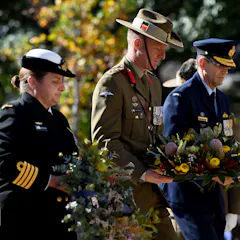
In finding new ways to commemorate Anzac Day, we should learn a lesson from the rise of the Gallipoli pilgrimage.
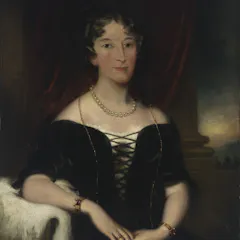
Kate Grenville suggests we read Elizabeth Macarthur’s letters as ‘a wonderful piece of fiction, sustained over sixty years’. They were exercises in doubleness, concealment, and delicious irony.
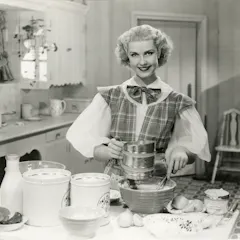
From the Easter Show to the ‘busy lady’ competition in the Australian Women’s Weekly, we’ve been competitive cookers for over 100 years.
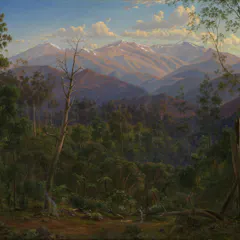
Tadeusz Kościuszko was a revolutionary thinker who was Commander in Chief of the Polish-Lithuanian armed forces.
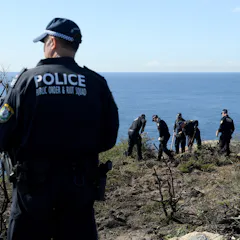
Two books on historical gay hate crimes – the murder of George Duncan in Adelaide, 1972, and army officer Warwick Meale in Townsville, 1942 – aim to create positive change by revealing past injustice.
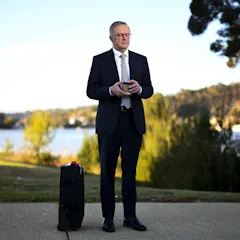
Scott Morrison’s pitch to voters that the election is about “you” is a potentially powerful one. But Labor has one available that is even better: it’s about “us”.

The First Astronomers shares the extensive star knowledge of First Peoples worldwide, stretching back millennia to reclaim so-called Western discoveries and highlight the strength of oral traditions.
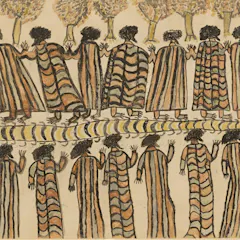
Can a poem tell us more about the past than a history book?
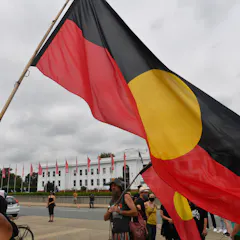
Anna Clark’s latest work scrutinises the role History has played in nation building and the shaping of Australian culture, but her book has an absent philosophical centre.
Top contributors
-

Professor in Public History, University of Technology Sydney
-
Director, Vice-Chancellor's Centre of Public Ideas (CoPI) and Donald Horne Professor of History and Public Ideas, University of Canberra
-
Emeritus Professor, Institute for Culture and Society, Western Sydney University
-
Professor of History and Professor of Public Engagement, La Trobe University
-
Wesfarmers Chair of Australian History, The University of Western Australia
-
Senior Lecturer in History, La Trobe University
-
Senior Lecturer in Linguistics, Monash University
-
Sir John Monash Distinguished Professor, Monash University. Deputy Director ARC Centre of Excellence for Indigenous and Environmental Histories and Futures, Monash University
-
Professor of History, President, Australian Historical Association, Macquarie University
-
Professor, Australian and Aboriginal History, Faculty of Arts, Design and Architecture, Convenor: Indigenous Land & Justice Research Group, UNSW
-
Professor Emeritus of Media and Culture, Griffith University, Griffith University
-
Professor in History, University of Tasmania
-
Professor of Linguistics, Monash University
-
Professorial Fellow in History, School of Historical and Philosophical Studies, The University of Melbourne
-
Professor, Critical Indigenous Studies and Director of The Centre for Global Indigenous Futures, Macquarie University