
Just as human biases show up in machine learning systems, so, too, do people’s vagaries and vicissitudes.
Articles on Artificial intelligence (AI) bias
Displaying 21 - 40 of 60 articles
Many existing explainable artificial intelligence systems produce explanations that are tailored to individualist, typically western, populations.
Many organisations are asking how far can we trust artificial intelligence, and how we can hold it accountable when it makes a mistake.
The proliferation of non-consensual, sexualised deepfake images is a reflection of society’s negative attitudes towards women.
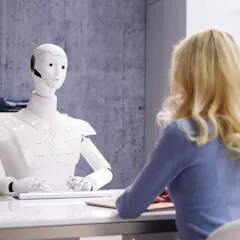
Companies and hiring agencies are increasingly resorting to AI-enabled tools in recruitment. How they’re used can significantly impact an individual’s perception of the organisation.
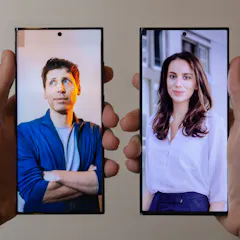
For decades, woman ‘computers’ worked behind the scenes while their male counterparts received recognition. The AI industry must not be an example of history repeating itself.

The public release of the chatbot has led to a global conversation about the risks and benefits of AI – a conversation few people were having just a few years ago.

The explosion of generative AI tools like ChatGPT and fears about where the technology might be headed distract from the many ways AI affects people every day – for better and worse.
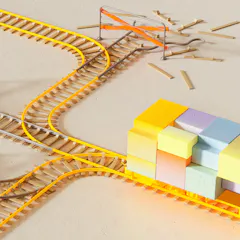
Tech firms are relying on low-wage workers to power their AI models. That raises serious ethical questions about how the technology is being developed.

The chatbot has been released to a small group of testers and some of X’s Premium+ subscribers – many of them have shared their initial thoughts.

AI-generated faces are now readily available, and have been used in identity fraud, catfishing and cyber warfare.
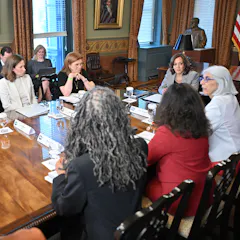
If safety is the heart of the Biden administration’s executive order on AI, then civil rights is its soul.
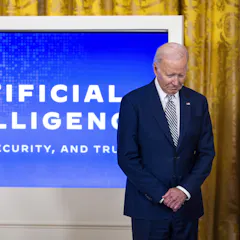
President Joe Biden has issued an executive order to regulate AI. The directives could help avoid AI doom – but they miss some key points.
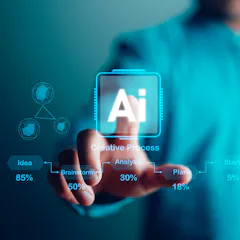
The rapid rate of AI adoption is putting workplaces at risk of overlooking its potentially adverse impacts, particularly those that could impact the health and well-being of workers.
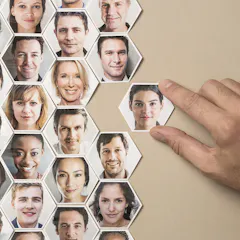
Creating bias-free AI systems is easier said than done. A computer scientist explains how controlling bias could lead to fairer AI.
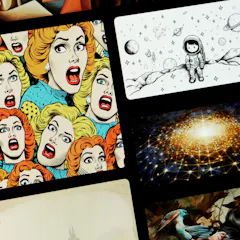
Regardless of the input, AI image generators will have a tendency to return certain kinds of results. This is where the potential for bias arises.
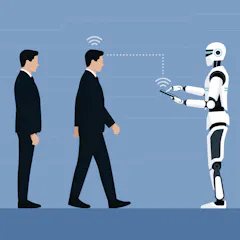
From open letters to congressional testimony, some AI leaders have stoked fears that the technology is a direct threat to humanity. The reality is less dramatic but perhaps more insidious.
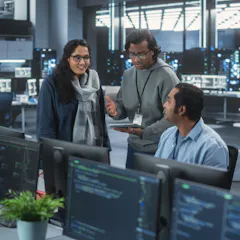
Large language models are becoming increasingly capable of imitating human-like responses, creating opportunities to test social science theories on a larger scale and with much greater speed.
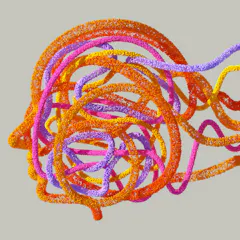
Large language models have been shown to ‘hallucinate’ entirely false information, but aren’t humans guilty of the same thing? So what’s the difference between both?
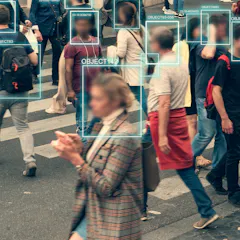
Without more transparency about AI use, it will be difficult for people to challenge biased decisions against them.
Top contributors
-

Professor of Cyber Security Practice, Edith Cowan University
-
Professor of AI, Research Group Leader, UNSW
-
Lecturer in Business Analytics, University of Sydney
-
Associate Professor of Visual Communication & Digital Media, RMIT University
-
Postdoctoral Fellow in Research on Teaching and Learning, McMaster University
-
Research Specialist: Digital Strategies and Engagement, Human Sciences Research Council
-
Clinical Psychologist and Associate Professor, School of Medicine and Psychology, Australian National University
-
Professor of User Experience Design, University of Hertfordshire
-
Senior lecturer, University of Aberdeen
-
Senior Research Scientist at the Australian E-Health Research Centre, CSIRO
-
Director, Enterprise AI and Data Analytics Hub, RMIT University
-
Lecturer, RMIT University
-
Principal Research Consultant in Strategic Foresight, CSIRO
-
Associate professor, Dalla Lana School of Public Health, University of Toronto
-
Professor of Computer Science and of Communication, University of Southern California