
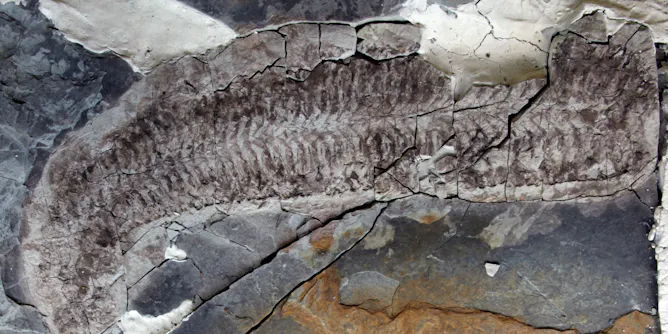
Just two specimens of Keurbos susanae, an unusually well preserved fossil arthropod, have been found.
Articles on Arthropods
Displaying 1 - 20 of 23 articles
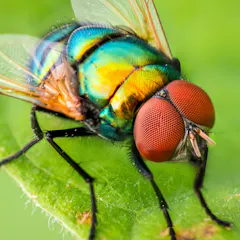
The number of insect species is mind-boggling – and they are a critical part of the environment.

The benefits of leafy mistletoes for wintering arthropods include shelter from extreme weather and hungry birds as well as a more humid microclimate to avoid desiccation.
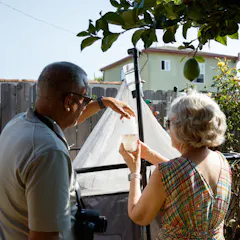
City life can mean lots of pavement and habitat loss. But many bug species are hanging on, especially in neighborhoods with steady temperatures near the mountains.
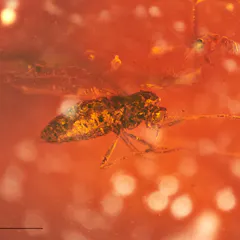
Amber catches creatures in incredible detail. These fossil insects in amber are a link between ancient Gondwana and modern Australian forests.
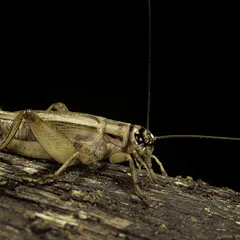
Only male crickets have wing structures that produce sound, but females are very good at following the signal.
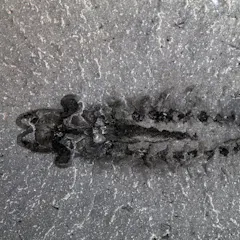
The discovery of a fossil over 500 million years old reveals new information. Its brain and nervous system are remarkably preserved, filling in some gaps in what we know about arthropod evolution.
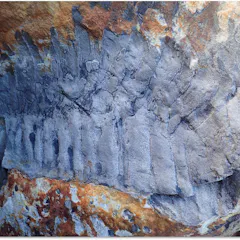
Why our chance discovery of an Arthropleura as long as an alligator, while on holiday on a beach in northern England, was such a landmark moment.
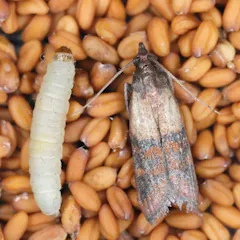
Unfortunately, it’s likely you brought them home yourself. Most pantry moth infestations probably start when we inadvertently bring home eggs and caterpillars in our dried foods.
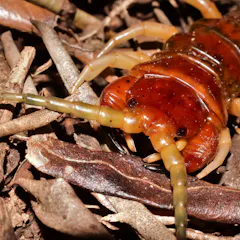
At night the centipede crawls through thick leaf litter, using two sensitive antennae to navigate a labyrinth of seabird burrows across the forest floor.
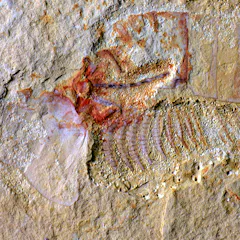
Researchers have found a new way by which the brains of ancient animals can be preserved.
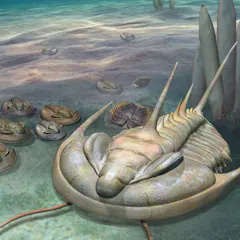
Looking a bit like enlarged woodlice, ancient trilobites crawled along the seabed and had an exoskeleton made of calcite — nature’s version of a suit of armour.
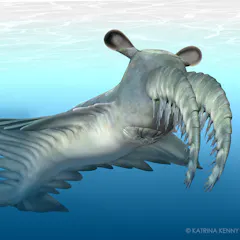
Our study on weird ancient marine animals called radiodonts supports the idea that vision played a crucial role during the Cambrian Explosion, a rapid burst of evolution about 500 million years ago.
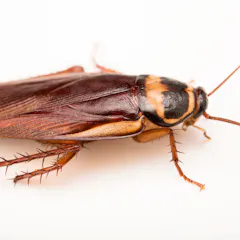
The reality TV show I’m a Celebrity, Get Me Out Of Here is under fire for using non-native insects while filming in the Welsh countryside.
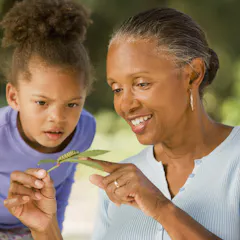
Insects are plentiful and inexpensive. Even when children aren’t attending school in person, they can learn from the encounters they have with insects outside.
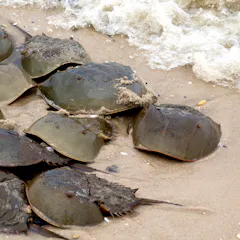
A chemical refined from the blue, copper-based blood of horseshoe crabs helps identify contaminants in medical equipment inserted into humans.
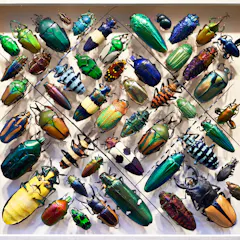
A recent report warned that insects ‘could vanish by the end of the century’. Here’s why that would cause a collapse of nature.
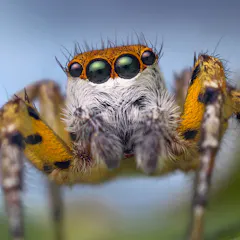
The natural world depends on insects to function, but they may be the next casualty of climate change.
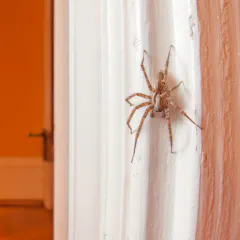
Why you should consider a live-and-let-live policy with the spiders you encounter in your home.
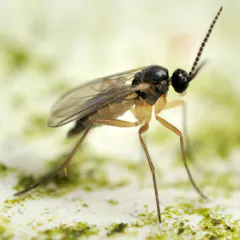
Our homes harbour hundreds of species of insects and their relatives.
Top contributors
-

Professor of Earth Sciences, University of New England
-
Post-doctoral researcher in Palaeobiology, Flinders University
-
Merit Researcher, Natural History Museum
-
Research fellow in palaeobiology, University of Cambridge
-
Associate professor, University of Cambridge
-
Lecturer in Biology, Teesside University
-
Distinguished Research Professor and Australian Laureate, James Cook University
-
Associate Professor in Entomology, University of Sydney
-
PhD Candidate in Invasion Biology, Teesside University
-
Entomologist and Collections Manager, Smithsonian Institution
-
Associate Professor, School of Biological Sciences, Monash University
-
Curator of Palaeontology and Geology, University of Toronto
-
Associate Professor of Palaeontology, School of Earth, Atmosphere and Environment, Monash University
-
Graduate Student, University of Florida
-
Extension Associate in Entomology, North Carolina State University