
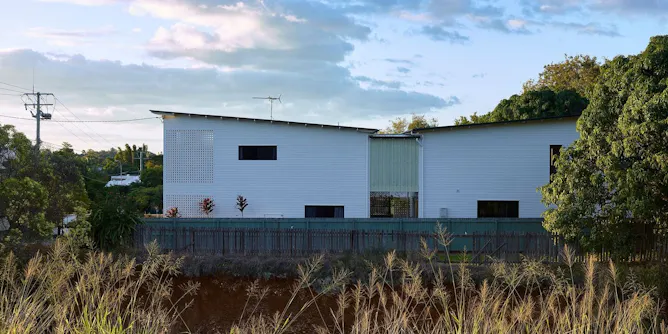
People living with the change and uncertainty of this century need flexible and adaptable housing. Here we look at a couple of examples of what’s possible.
Articles on Architecture
Displaying 241 - 260 of 466 articles

Taj Mahal is one of the most beautiful buildings in the world, but over the last four centuries it has aged and darkened from pollution.
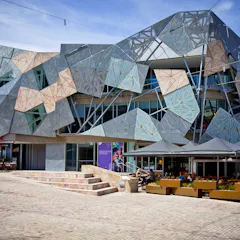
Federation Square may be less than 20 years old, but that doesn’t mean it can’t be heritage listed. Heritage value depends on many things including cultural significance

Design principles, known as ‘crime prevention through environmental design’, are used all over the world to make cities safer. But some of these principles can be discriminatory and hostile.
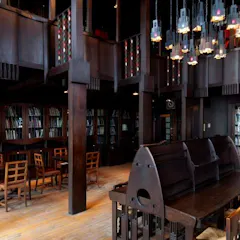
Building regulations will prevent Glasgow School of Art being recreated exactly as it was, so is it time to consign it to history and start over?

Studies show that people’s environments influence their mood. The same is true of homeless shelters, which can either help or hurt residents’ psychological well-being — and, possibly, their futures.
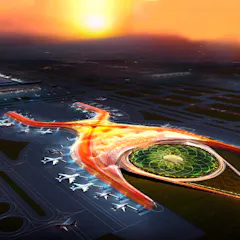
Mexico City desperately needs a new airport. It also needs more green space. One landscape architect thinks the Mexican capital’s new Norman Foster-designed international airport can be both.

A first glimpse of the low-income housing scheme, designed in collaboration with West, raises red flags.

Sixty two countries are represented at this year’s International Architecture Exhibition. In the Australian Pavilion, 65 species of grassland plants fill a black cube.
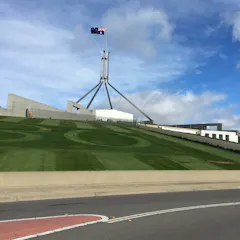
Why not turn the moat of parkland enclosing Parliament House into a new inner-city?
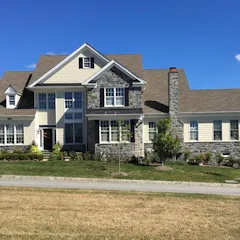
Middle-class houses in the US have grown ever larger. The average single-family home is almost twice the size of a home in the 1960s. It’s time to consider the downsides of sizing up.
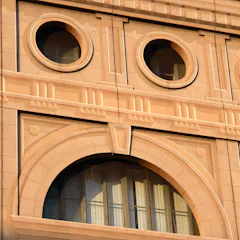
Building features can be analyzed in the same way that facial recognition software works, revealing previously hidden elements of history.
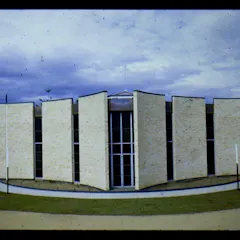
Of the thousands of churches erected to serve the fast-growing communities of post-war Australia, very few are protected. Are we happy to lose buildings that are so much part of our modern heritage?

By expanding our understanding of streets and enhancing their design, every street corner could become a space to socialise, to exercise, to play, or to trade.

Ventilation and natural light are two simple measures which can make buildings better for people to live and work in.
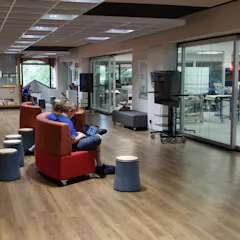
Despite a boom in the construction of trendy buildings and classrooms, the evidence for their link to boosting learning outcomes is limited.
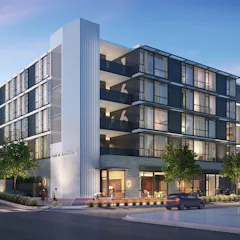
Three innovative projects set to be completed this year are geared toward strengthening communities that have been left out of the economic recovery.
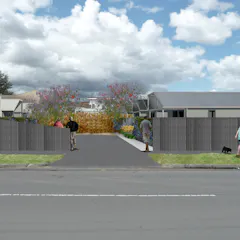
An innovative collaboration between government, a non-profit group and philanthropists has found a way to provide urgently needed housing on land that would otherwise be left vacant for years.
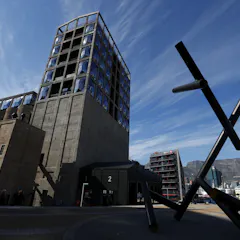
From a heritage perspective, the transformation of Cape Town’s grain elevator into an art museum delivers an innovative and creative solution to retaining and reusing industrial heritage sites.
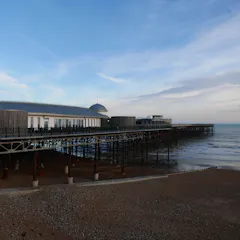
A community-led development has been officially declared the UK’s best new building.
Top contributors
-

Director of the Design and Creative Practice Enabling Impact Platform, RMIT, RMIT University
-
Professor and Chair of History of Art, Vanderbilt University
-
Chair Professor of Architecture, UNSW
-
Professor of Architecture and Urban Design, The University of Melbourne
-
Architectural Technologist and Urban Designer, Nottingham Trent University
-
British Academy Research Fellow, University of Oxford
-
Adjunct Professor of Architecture, University of Technology Sydney
-
PhD Candidate, Building Engineering, Carleton University
-
Lecturer in Architecture, UCL
-
Professor of Architecture and Urbanism, Manchester Metropolitan University
-
Professor of Practice, University of Technology Sydney
-
Transformation Fellow + Senior Lecturer in Architecture, Queensland University of Technology
-
Head and Professor of Architecture, Glasgow School of Art
-
Senior Lecturer, School of Architecture, University of Technology Sydney
-
Senior Lecturer in Architecture, Northumbria University, Newcastle