
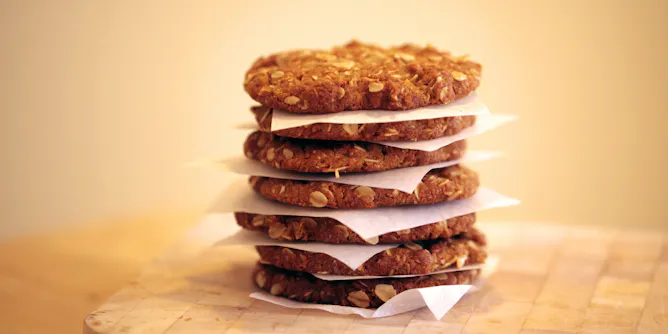
Anzac biscuits are the perfect treat to bake in COVID-19 isolation. Recipes emerged from another world-changing crisis, the first world war, yet we can still bake together online.
Articles on Anzac Day
Displaying 41 - 60 of 87 articles
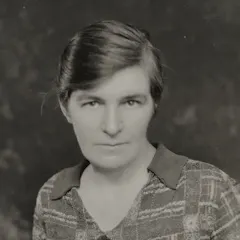
An anthology of Victorian women poets is a window into their thoughts and feelings during the first world war.
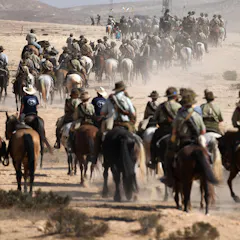
In Aboriginal and Torres Strait Islander communities, Anzac stories are often coloured by racism and ongoing injustices that negate the myth of Anzac ‘mateship’.
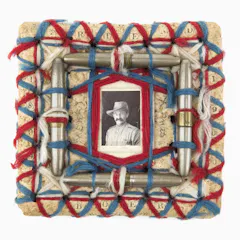
Army ration biscuits known as ‘Anzac tiles’ were durable but bland - as Australian war archives show, they served as stationery, Christmas cards and as the basis of art.
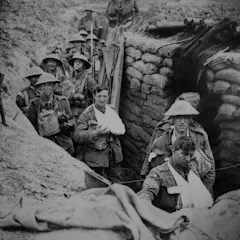
The first world war spurred a host of developments in the fields of science, medicine and architecture. Alongside these came new qualifications and professions, such as physiotherapy.
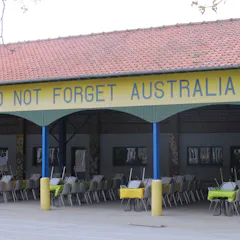
Since the end of the first world war, the Australian media has often reported that ‘the French’ care about, remember and even venerate the Anzacs. But is this true? And which French people?
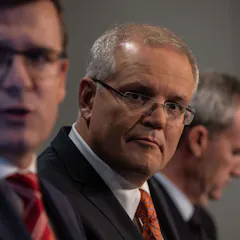
Deep Saini talks about the week in politics with Michelle Grattan.

Virgin Australia’s great military blunder of 2018 is a case study in corporate social responsibility gone wrong.

Among all things Anzac, the contribution of women is becoming more complicated and controversial.
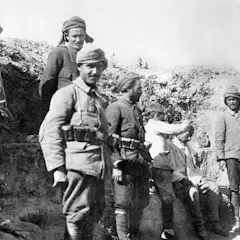
At Gallipoli this Anzac Day, thousands of Turkish youth will re-enact a march that stopped the Anzac advance in 1915. The march has taken on new significance in Turkey since an attempted coup in 2016.

Julie Bishop has refused to sack Yassmin Abdel-Magied from the board of the Council for Australian-Arab Relations, resisting pressure from some in government ranks.

There are two issues in the latest episode of the culture wars, sparked by the Anzac Day Facebook comment by controversial young Muslim activist and part-time ABC presenter Yassmin Abdel-Magied. One is…
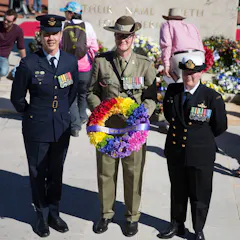
Until 1992, being a gay or lesbian soldier was illegal in Australia. New research is unearthing the heartbreaking stories of people who devoted their lives to the military but were discharged when their sexuality was exposed.
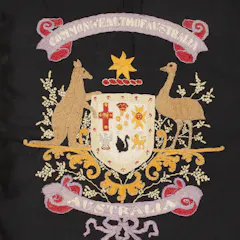
Embroidery - often seen as women’s work - was a common form of therapy for troops wounded in the first world war. One soldier, Albert Biggs, learned to sew with his left hand after his right arm was badly injured.
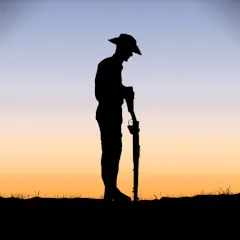
In 1960, historian Ken Inglis wondered if Anzac functioned as a secular religion in Australian society. In 2017, we can confidently answer: yes, it does.
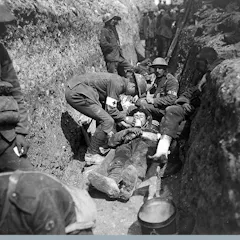
When commemorating our troops, doctors and nurses this Anzac Day, consider also tipping your hat to the discovery of bacteriophages. In the post-antibiotic era, our health might just depend on them.
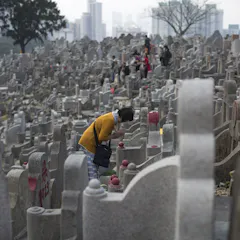
Like Australia, China traditionally commemorates those who served in war in April each year, and increasingly they do it via social media.

In wartime, food and drink may be a weapon or embodiment of the enemy, but also ‘a token of hope, a soothing relief’. In East Timor, coffee has played a vital role.
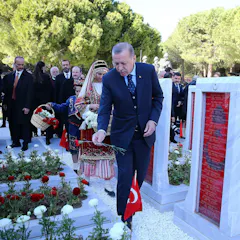
The Gallipoli campaign has, in recent years, increasingly become part of the culture wars in Turkey associated with the rise of political Islam.
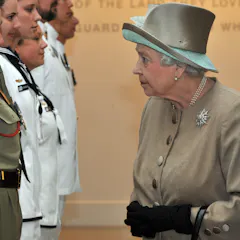
As Australians once found spiritual communion through allegiance to the British monarch, they find similar virtues in Anzac today. Can the republican movement connect with a large enough number of people in a similar way?
Top contributors
-

Professorial Fellow, University of Canberra
-
Lecturer in History, University of Auckland, Waipapa Taumata Rau
-
Senior Lecturer in Sociology, Adelaide University
-
Associate Professor of Strategic & Defence Studies, Australian National University
-
Professor of Law, University of Waikato
-
Professor in German Studies, The University of Melbourne
-
Senior Lecturer, Art & Design, Australian National University
-
Associate Professor in History, Deakin University
-
PhD candidate in History, The University of Western Australia
-
Chair Professor, Istanbul Bilgi University
-
Director, Australian National Dictionary Centre, Australian National University
-
Associate Professor, School of History, ANU / Chercheur Associé at the Centre d’Histoire de Sciences Po, Australian National University
-
Professor in Robotics, Queensland University of Technology
-
Emeritus Professor, School of Politics and International Relations, Australian National University
-
Senior Lecturer in School of Biological Sciences, Microbiology, Monash University