

Research done over the past 26 years
provides insights into changes across people’s lives, helps evaluate interventions, and provides information for local, provincial and national planning.
Articles on Antiretroviral therapy
Displaying 41 - 60 of 61 articles

The study confirms that dolutegravir is an effective and well-tolerated ARV.

Research shows that many people living with HIV struggle with tooth decay, bleeding gums and tooth sensitivity – due to the costs of dental care and discrimination by dental professionals.
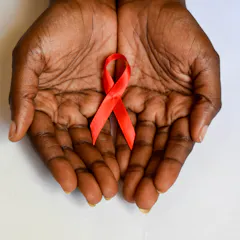
Most of the reasons people don’t take their medication aren’t related to the antiretrovirals themselves, but rather social and systemic issues.

Until then we need to get effective, accessible treatment for all who need it, while deploying the many prevention tools at our disposal.
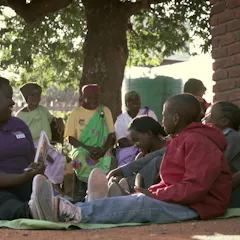
Community-based HIV programmes helps improve access to health care.

HIV negative children born to women with HIV have a greater risk of dying before their first birthday.
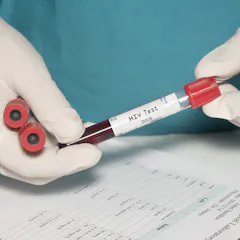
A liver transplant from an HIV-positive living donor to an HIV-negative recipient is possible, but there are still gaps in our knowledge.

The first global comparison of adolescents that acquired HIV as newborns highlights the challenges around treatment.
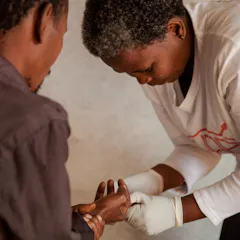
Women and children remain the focus of HIV while men are disadvantaged in accessing testing and treatment in Africa.
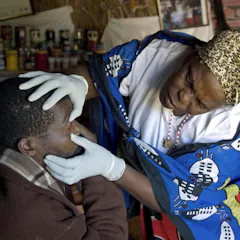
In rural areas where there are often fewer healthcare professionals available, traditional healers can have a role to play in promoting HIV treatment.

Three new HIV vaccine concepts which rely on high-tech designer proteins are being trialled to see if they can stop the virus.

South Africa has made tremendous progress towards meeting the 90-90-90 targets but there are some challenges preventing it from reaching the goals set by UNAIDS.
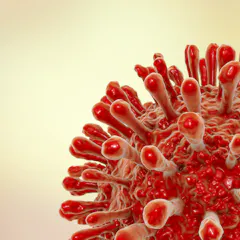
A South African child, who has been in HIV remission for nearly nine years, could help researchers understand how to make remission possible for millions of other HIV positive people.
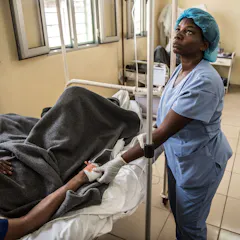
HIV remains a synonym for death in Kinshasa and many leave testing and treatment until it’s too late. It’s not common knowledge that an infected person can live a normal and healthy life.

Stemming high HIV rates among adolescent girls and young women in sub-Saharan Africa has become a challenge due to the cycle of transmission.
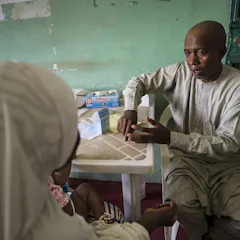
Effectively decentralising HIV and AIDS treatment services helps to improve universal health care. But in Nigeria this approach comes with many challenges.
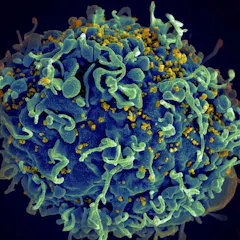
HIV research continues to search for a cure. The focus is on developing therapies to cure HIV infection or allow people with HIV to safely stop antiretroviral therapy and keep the virus under control.

Current epidemiological and financial trends suggest there’s a major risk of a substantial shortfall in the funds required to sustain life-saving antiretroviral programmes.

The 90-90-90 strategy is an attempt to get the HIV epidemic under control by adopting a ‘test and treat’ approach. This is part of the plan to eliminate AIDS by 2030.
Top contributors
-

Professor: Health and Population Division, School of Public Health, University of the Witwatersrand
-
Professor of medicine and deputy director of the Desmond Tutu HIV Centre at the Institute of Infectious Disease and Molecular Medicine, University of Cape Town
-
Senior lecturer in Paediatrics and Child Health, Stellenbosch University
-
Honorary Research Associate, Centre for Infectious Disease Epidemiology and Research, University of Cape Town
-
Health Systems Researcher, Makerere University
-
Research Manager at MRC/Wits Agincourt Research Unit, University of the Witwatersrand
-
University of the Witwatersrand
-
Associate Professor (Reader), Wits School of Public Health, University of the Witwatersrand
-
Assistant Professor, Africa Health Research Institute (AHRI)
-
Assistant Professor, Family Health Care Nursing, University of California, San Francisco
-
Doctoral Researcher, School of Public Health and Public Health Technical Advisor, Anova Health Institute, University of the Witwatersrand
-
Associate Professor and Director of the Centre for Infectious Diseases Epidemiology and Research, University of Cape Town
-
Assistant Professor, Harvard University
-
Head: Cell Biology, Centre for HIV and STIs, National Institute for Communicable Diseases
-
Public Health Medicine Specialist, University of the Witwatersrand